Hey there—if you’re someone who works in chemical manufacturing, handling, or supply, you know how big of a headache liquid packaging can be. Mess that up, and you’re looking at spills, safety hazards, product spoilage, or even compliance fines. As a chemical packaging supplier, I’ve spent years working directly with factories, lab teams, and logistics folks to figure out what actually works for different liquid chemicals. This isn’t just “one-size-fits-all”—different chemicals (think acids, solvents, water-based solutions, even specialty lab reagents) need totally different packaging. Let’s break down the most common, go-to solutions I see every day, and why they matter. Chemical Packaging
First off, let’s talk about what makes liquid chemical packaging different from, say, packing orange juice or dish soap. Chemicals can be corrosive, flammable, reactive, or just plain unstable. So the main things we prioritize here are chemical compatibility (will the packaging material react with the liquid?), leak protection, and ease of handling for warehouses, transport, and end use. No one wants a 55-gallon drum of hydrochloric acid leaking all over a shipping dock.
One of the most versatile go-to’s for bulk industrial liquids is high-density polyethylene (HDPE) drums. These are the gray, blue, or black plastic drums you see everywhere, right? HDPE is cheap, durable, and resistant to a ton of chemicals—from mild acids to bases, and even some non-polar solvents. Wait, but let’s be real: not all HDPE is the same. We sell two types for chemicals: virgin HDPE and recycled HDPE. Virgin is better for specialty chemicals because it has fewer impurities that could react with your liquid, while recycled works great for bulk stuff like industrial cleaners or non-reactive water-based solutions. The standard 55-gallon (208-liter) drum is a workhorse, but we also have smaller 5-gallon (19-liter) pails for smaller batches, like for labs or field technicians. The key here is the seal: most of these drums use a metal bung (the screw-in plug) made of HDPE or even stainless steel for extra corrosive stuff, and a tight rubber or EPDM gasket to stop leaks. I once had a client switch from a generic plastic bung to an EPDM one, and they cut their leak rate by 80%—small change, big impact.
Next up, stainless steel containers, which are non-negotiable for really harsh, corrosive chemicals. If you’re handling sulfuric acid, bleach, or concentrated lye, HDPE just won’t cut it—it’ll corrode, crack, or leach into your product. Stainless steel (usually 304 or 316 grade) is inert, super strong, and can handle extreme temperatures too. We have stainless steel drums, IBCs (Intermediate Bulk Containers), and even tankers for bulk transport. IBCs are a big one here—they’re like a 275-gallon (1000-liter) stainless steel or plastic tank inside a steel frame, with a tap at the bottom for easy dispensing. For flammable liquids, we also have grounded stainless steel IBCs to prevent static buildup, which is a fire hazard. Fun fact: 316 stainless is better than 304 for saltwater or chloride-rich chemicals, so if you’re in a food manufacturing setting (wait, some chemicals are used in food processing!), that’s the grade you want.
Then there are flexitanks, which are a game-changer for shipping bulk liquid chemicals overseas. Flexitanks are large, heavy-duty plastic bladders that fit inside a standard 20-foot shipping container. They hold up to 24,000 liters (about 6,300 gallons) of liquid, which is way more than you can fit in drums. For non-hazardous, non-reactive liquids like edible oils, water-based industrial solutions, or some mild chemicals, flexitanks are way cheaper than using dedicated liquid cargo ships or ISO tanks. We’ve helped a few clients switch from drums to flexitanks for their bulk shipments, and they cut packaging and transport costs by 30-40%—no joke. The catch here is that flexitanks aren’t for hazardous chemicals or long-term storage—they’re designed for single-use transport only, so you can’t reuse them. That’s a key point to hammer home, because some clients try to stretch them and end up with leaks.
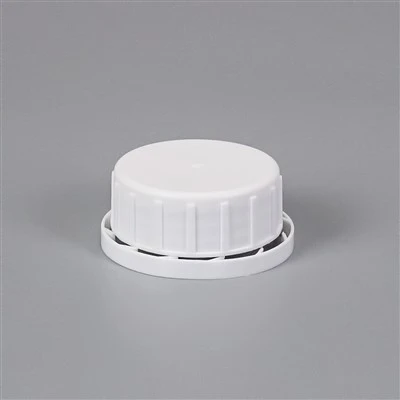
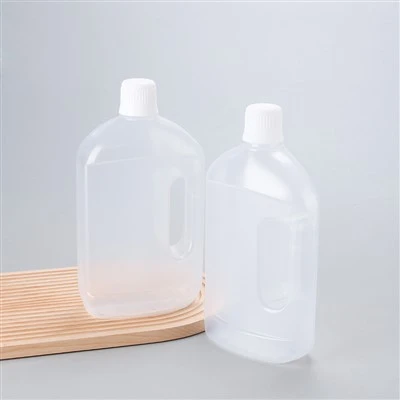
For smaller volumes—think lab reagents, specialty chemicals, or products sold in retail (wait, some industrial chemicals do get sold in smaller sizes)—bottles and jerricans are the way to go. Jerricans are those heavy-duty plastic or composite jugs with a handle, made to stack and carry easily. We sell HDPE jerricans in 1-liter, 2.5-liter, and 5-liter sizes, with child-resistant caps and tamper-evident seals for safety. For really reactive chemicals, like oxidizers or corrosive lab acids, we also have amber glass bottles. Wait, glass is inert, which is why it’s perfect for specialty stuff—but it’s breakable, so we pair them with protective plastic sleeves. Another cool small solution: single-use plastic bottles, like HDPE bottles with screw caps, for things like cleaning solutions or agricultural chemicals. No washing, no cross-contamination, which is great for small-batch manufacturers.
Now, let’s talk about hazardous and flammable liquids, because those have their own set of rules. If you’re handling gasoline, ethanol, or concentrated hydrogen peroxide, you need packaging that meets OSHA, DOT, or UN standards. We have UN-rated HDPE drums and steel jerricans that are tested for pressure, impact, and leak protection. For flammable liquids, we also have conductive packaging (not just plastic—plastic builds static!) so sparks don’t ignite the fumes. I remember a client who used regular plastic drums for their ethanol shipments, and they failed a DOT inspection because the drums weren’t static-dissipative. We switched them to static-rated drums, and they passed with flying colors. That’s the kind of detail that makes a big difference.
Wait, I should mention IBCs again because they’re so versatile. Most people know the plastic IBCs, but we also have composite IBCs that combine a plastic inner liner with a steel frame—lighter than all-stainless, but still durable. They’re perfect for bulk liquids that are neither super corrosive nor super flammable. The key with IBCs is the dispensing valve—we use ball valves or butterfly valves, and for really thick liquids (like industrial greases or paste-like chemicals), we have larger valves to avoid clogging. One client made the mistake of using a small valve for their thick coating chemical, and they ended up with lines clogged every time they dispensed—we swapped the valve, and that problem went away.
Let’s also touch on storage-specific solutions. If you’re storing liquids long-term, you don’t want the same packaging you use for transport. For example, above-ground storage tanks (ASTs) made of steel or fiberglass are common for large facilities. We work with clients to line these tanks with HDPE or epoxy coatings to prevent chemical reaction. For small-scale storage, like in a lab, we have HDPE carboys (large, narrow-mouthed plastic jugs) that are easier to handle than glass, with tight stoppers. Another thing: UV protection. If your liquid is sensitive to sunlight, like some pesticides or pharmaceutical intermediates, we use black or amber HDPE that blocks UV rays, preventing degradation. That’s a detail a lot of suppliers overlook, but it keeps your product from going bad before it even reaches the customer.
Now, why does this matter for you? As someone buying chemical packaging, you’re not just picking a container—you’re picking a solution that keeps your workers safe, your product intact, and your business compliant. Bad packaging leads to downtime, waste, and even legal issues. I’ve seen clients lose $50k in a single shipment because of a leaky drum that ruined a whole batch of product. So it’s worth investing in the right solution the first time.
Whether you need small lab bottles, 55-gallon drums, 275-gallon IBCs, or flexitanks for bulk shipping, we’ve got you covered. We don’t just sell packaging—we help you figure out what works for your specific chemical, your storage, and your logistics. No one-size-fits-all here, and that’s where we come in.
If you’re tired of packaging that doesn’t fit your needs, or you’re not sure which solution is right for your chemical, hit us up to connect with our team. We can walk through your requirements, answer questions about compatibility and compliance, and help you find a packaging option that’s safe, cost-effective, and tailored to your business. Don’t risk spills or product spoilage—reach out to start the conversation today.
Pump Dispenser References
- American Chemistry Council. (2022). Recommended Practices for Chemical Packaging and Transport Compliance.
- Occupational Safety and Health Administration (OSHA). (2021). Hazard Communication Standard: Packaging Requirements for Chemicals.
- Global Packaging Machinery Association. (2023). Flexitank Best Practices for Industrial Liquid Shipments.
- ASTM International. (2022). Standard Specification for HDPE Chemical Drums and Jerricans.
Jiangsu Welljoin Plastic Co., Ltd.
As one of the most professional chemical packaging manufacturers and suppliers in China, our products have good reputation in the market. Please rest assured to wholesale bulk premium chemical packaging from our factory. Good service and quality products are available.
Address: No.6 Chuangye Road, Xuanbao Industrial Park, Taixing, Jiangsu, P.R. China
E-mail: paul@welljoin.com.cn
WebSite: https://www.welljoin-pack.com/
