Hey everyone, thanks for stopping by. I’m [Your First Name], and if you’re here, you’re probably running a shop with metal shears—whether you’re a hobbyist bending sheet aluminum for custom furniture, a fabricator slicing steel for construction parts, or someone who’s just had enough of their shear dying prematurely because it’s stuffed in a corner. As a metal shear supplier, I see so many machines come through our warehouse that could’ve lasted 10+ years if the owners just stored them right. I’m gonna break down exactly how to do that, no fancy jargon, just stuff I’ve learned from years of talking to guys who’ve messed up (and fixed) their storage games. Metal Shear
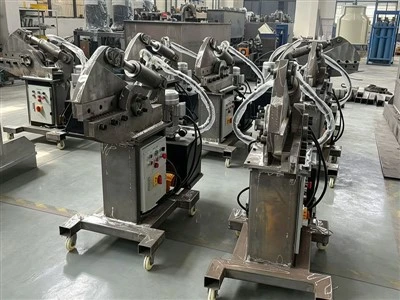
First, let’s get real: metal shears aren’t cheap. You drop a few grand on a decent electric or hydraulic shear, and if you store it like it’s a old lawn chair, you’re wasting cash before you even hit the “cut” button. I’ve seen shears with rusted blades that won’t slice through 16-gauge steel anymore, or bent frames from being propped against a wall wrong—all because someone threw it in a garage and forgot about it. This isn’t about overcomplicating things; it’s about simple, consistent habits that’ll keep your shear running smooth for years.
Let’s start with the basics you can’t skip. Before you even think about where to put it, you gotta prep the shear itself for storage. This step’s non-negotiable. First, clean every single part that touches metal. I’m not just talking about wiping the outside—those leftover metal shavings? They’re tiny, sharp, and if they sit on the blade or the ram (the moving part that does the cutting), they’ll scratch the next sheet you cut, or even chip the blade edge. Grab a stiff wire brush (not one of those soft kitchen brushes—you need something that gets in the crevices) and a rag with degreaser. Scrub the blade edges, the underside of the ram, the shear table, and even the hinge points. Wipe off all that gunk, then dry every part completely. Moisture is the enemy here—rust starts faster than you think. Even a tiny drop of water on a blade can turn into a rust spot in a week, especially if you’re in a humid shop or garage.
Next, lubricate the moving parts. I know, I know—you probably lubed it last time you used it, but storage needs a little extra. Skip the generic WD-40 for this one—get a heavy-duty lubricant made for metal machinery. Spray or dab it on the blade edges (not the cutting surface itself, that’ll gunk up your cuts), the ram guides, the pivot points, and the hydraulic lines if you’ve got a hydraulic shear. This isn’t just to stop rust; it’s so when you pull it out next time, the parts don’t seize up and snap on you mid-cut. Trust me, I had a customer last year who skipped this step—his shear’s ram was so stuck, he had to take it apart and replace $800 worth of parts because he didn’t lubricate for storage. Don’t be that guy.
Now, where to store it. This is the big question. A lot of folks just prop their shears against a wall, but that’s a bad move for two reasons: first, you’re at risk of it tipping over (shears are heavy—like, 500+ pounds for a small electric model, way more for industrial ones), and second, leaning it against a wall can bend the frame or the shear table, which throws off the cutting accuracy. The best spot is a flat, level surface. If you’ve got a dedicated shop bay, that’s perfect—just make sure the floor isn’t uneven. If you’re using a garage, grab a level to check; even a half-inch tilt over time can mess with the machine’s alignment. Avoid storing it on dirt or concrete that’s damp. If your garage floor sweats, put down a piece of plywood or heavy-duty plastic sheeting under the shear. That tiny barrier keeps moisture from seeping up and causing rust on the bottom of the frame.
If you can’t leave it out (say, you don’t have space, or you need to move it for a while), you need a cover. Not a old bedsheet—those trap moisture, like a giant tent for rust. Get a weatherproof, breathable machine cover specifically made for metal equipment. We sell ‘em, obviously, but you can find ‘em at most tool supply stores too. The key is it’s waterproof on the outside but has tiny holes on the inside to let moisture escape. If you use a regular plastic sheet, just prop a few small blocks under the cover so it doesn’t touch the machine directly. That stops condensation from building up under there.
Wait, what about long-term storage—like if you’re not gonna use the shear for months, say over a shop remodel or a winter break? You gotta take extra steps here. First, disconnect the power cord (if it’s electric) or drain the hydraulic fluid (if it’s hydraulic). Leaving power connected means there’s a tiny current running, which can corrode the electrical components over time. Draining hydraulic fluid keeps it from going bad—old fluid gets gummy and can clog lines when you restart. Also, if you’ve got a blade, make sure it’s in a “closed” position when storing long-term. When the blade’s open, the spring tension is stretched, and that can weaken the springs over time. Closing it takes the pressure off, so the parts last longer.
Another thing a lot of people miss: don’t store heavy stuff on top of the shear. I’ve seen guys stack boxes of sheet metal or tools on their shear’s table, and that bends the table frame. Even a 50-pound box over a few months can warp it, making your cuts wonky. The table’s supposed to be flat, right? If it’s warped, you can’t get clean cuts. So keep that area clear. And if you can, store other tools nearby, but not on top—just enough that you don’t have to move it every time you need a wrench.
Now, let’s talk common mistakes I see every day. One: using the wrong lubricant. WD-40 is a light oil, good for loosening stuck parts, but not for long-term storage. It dries out fast, so after a month, your blade’s unprotected again. Stick to a heavy-duty gear oil or a machinery grease. Two: skipping the blade cleaning. Metal shavings are tiny—you can’t see ‘em sometimes, but they’re there. If you leave ‘em on, they’ll scratch the blade, which means you’ll have to sharpen it sooner. Sharpening a shear blade isn’t cheap, either—about $150 a pop. Preventing that by cleaning is way cheaper. Three: ignoring the storage environment. If your shop is super humid, you might wanna add a desiccant pack or two near the shear. Those little packs you get with shoes? Toss a few in a box and set it under the cover. They absorb moisture and keep rust away.
Wait, what about if you’re storing a mobile shear—like the ones on wheels for job sites? Same rules apply, but you gotta lock the wheels! I had a customer last spring who forgot to lock his shear’s wheels, and it rolled into a stack of pipes, bending the shear table. The repair cost more than the storage prep would’ve. So lock those wheels, prop it on a level spot, and if it’s gonna be outside, cover it extra well. Mobile shears take a beating on job sites, so proper storage after a day on the job is even more important.
Let’s wrap this up with a quick checklist, because I know you guys like checklists. Before storage: 1. Clean all metal parts (blades, ram, table, hinges) thoroughly with degreaser, dry completely. 2. Lubricate moving parts with heavy-duty machinery oil/grease. 3. Close the blade to relieve spring tension. 4. Disconnect power/drain hydraulic fluid (long-term). During storage: 1. Store on a flat, level surface—no leaning on walls. 2. Use a breathable, weatherproof cover if storing indoors outside the shop, or outdoors. 3. Keep heavy items off the shear. 4. Add desiccants if in a humid space. And when you’re ready to use it again: 1. Wipe off any excess lubricant. 2. Test the shear on a scrap piece of metal first to make sure the blades are sharp and aligned. 3. Give it a quick lube if it’s been stored 3+ months.
Look, I’m a supplier, but I’m also a guy who’s been around metal shears for a decade. I want your machines to work as long as possible, because that means you’re happy, and that means you’ll come back when you need a new shear. But even if you don’t buy from us, this advice is solid. Storing a metal shear right isn’t hard—it’s just being consistent. Skip the lazy shortcuts, and you’ll have a shear that cuts cleanly for years, no breakdowns, no costly repairs.
If you’ve got questions about your specific shear—whether it’s electric, hydraulic, small hobby model, big industrial beast—hit me up. I’m here to help you get the most out of your equipment, because I know how frustrating it is when a tool you rely on lets you down. And if you’re in the market for a new metal shear (or parts for the one you’ve got), don’t hesitate to reach out to talk through what works for your shop. I don’t do sales pitches that feel fake—just real advice, same as I’d give to a buddy who’s got a shop down the street.
Thanks for reading, and go take 10 minutes to prep that shear this weekend. You’ll thank me later when it cuts like new after months of storage.
Waste Cloth Baler References
- Machinery Lubrication Magazine. "Proper Storage of Industrial Metalworking Equipment." 2022.
- Sheet Metal Workers’ Association. "Equipment Care Guidelines for Fabrication Shops." 2021.
- OSHA. "Machine Storage and Alignment Standards for Metal Fabrication Tools." 2020.
- Popular Mechanics. "How to Maintain Power Tools for Longevity." 2023.
Jiangyin Hangli Technology Co., Ltd.
Jiangyin Hangli Technology Co., Ltd. is one of the most professional metal shear manufacturers and suppliers in China. We are committed to providing high quality custom service and OEM service with low price. We warmly welcome you to buy high-performance metal shear for sale here from our factory. Also, pricelist is available.
Address: No. 11, Louxia Road, Zhouxi Village, Zhouzhuang Town, Jiangyin City, Wuxi City, Jiangsu Province, China
E-mail: sherry@hanglimachinery.com
WebSite: https://www.hanglirecycling.com/
