If you’re a facility manager, piping engineer, or spec writer tasked with designing or maintaining a fire safety system, you’ve probably spent hours weighing the right components. Valves are one of those often-overlooked but make-or-break parts—especially when seconds matter in an emergency. For years, manual valves or pneumatic actuated valves were the go-to for fire systems, but over the last decade, electric actuated ball valves have emerged as a popular alternative. As a supplier who’s worked with hundreds of fire system projects across commercial, industrial, and residential facilities, I get a lot of questions: Can electric actuated ball valves actually hold up in fire safety? Or are they just a flashy upgrade that fails when it counts? Electric Actuated Ball Valve
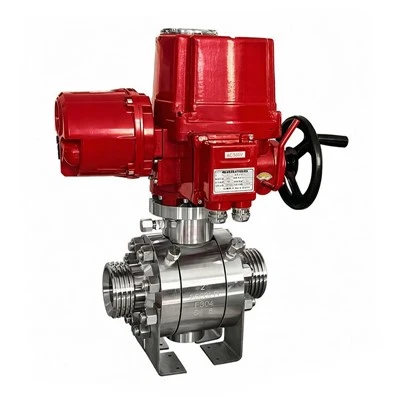
Let’s start with the basics. Fire safety systems rely on consistent, reliable flow control—whether it’s sprinkler systems, fire hydrant loops, water-based suppression systems for warehouses, or even industrial fire suppression for chemical processing plants. The valve’s job isn’t just to open or close; it’s to do so on demand, with zero lag, and without leaking when the system is idle. Manual valves require someone to physically go turn a wheel, which is a problem if the fire is blocking access, or if the system is in a remote area (like a rooftop or an underground utility vault). Pneumatic valves depend on compressed air lines, which can corrode, leak, or be damaged by heat—especially in a large fire. Electric actuated ball valves, which pair a quarter-turn ball valve with an electric actuator, solve a lot of those pain points. But first, let’s get into the science of why they work (and when they might not).
First, the ball valve itself. Ball valves are quarter-turn valves, meaning they open fully or close fully in a 90-degree rotation. That’s a huge benefit for fire systems: you don’t have to partially open or close them (which can cause flow issues or wear over time). The ball inside is usually made of brass, stainless steel, or forged carbon steel—materials that are inherently resistant to corrosion, which is critical because fire systems sit idle for years, only to activate once. Electric actuators for ball valves have come a long way too. Early actuators were bulky, prone to overheating, and not rated for harsh environments. Today, most actuators used in fire safety are rated to National Fire Protection Association (NFPA) standards, specifically NFPA 13 (Standard for the Installation of Sprinkler Systems) and NFPA 72 (National Fire Alarm and Signaling Code). Wait—let’s clarify that: NFPA doesn’t explicitly require electric actuated valves, but it does mandate that any valve in a fire system must be “tamper-resistant, reliable, and capable of full operation when needed.” That’s where electric actuated ball valves excel.
I’ve seen this play out on projects first-hand. A few years back, we worked with a construction team on a 12-story office building in downtown Chicago. The original design called for manual ball valves on each sprinkler zone. But during a pre-installation walkthrough, the team realized that the valve rooms for the upper floors were small, and during a fire, access would be blocked by smoke or fire. They switched to electric actuated ball valves, which tie directly into the building’s fire alarm panel. When the fire alarm triggers, the actuator gets a 24V DC signal (low voltage, so it’s less likely to be damaged by electrical surges from the fire or lightning) and turns the valve fully open in 2-3 seconds. That’s faster than a manual valve, which would take a firefighter 10-15 seconds to reach and turn. In a sprinkler system, every second counts to contain a fire before it spreads.
But what about heat? That’s the big concern people bring up. Fire generates extreme temperatures—often over 1,000°F in a fully developed structure fire. Can electric actuated ball valves survive that? The short answer: if you choose the right model, yes, and even if they’re exposed briefly, they still work. Most high-quality actuators used for fire safety are rated for ambient temperatures up to 150°F when operating, and many have heat-resistant enclosures that can withstand short exposures to higher temperatures (up to 300°F for 30 minutes, which is more than enough time for a firefighting response). For installations where the valve might be exposed to direct fire for longer, we can work with manufacturers to add heat shields or specify actuators with thermal cutoffs that trigger the valve to open automatically if temperature gets too high—another requirement for many industrial fire systems that handle hazardous materials.
Wait, let’s compare that to pneumatic valves. If a pneumatic valve’s air line is exposed to 200°F, the air expands, can rupture the line, and the valve might not open at all. Electric valves don’t rely on compressed air lines—they run on standard low-voltage wiring, which is routed through conduit that’s often fire-rated. That conduit is designed to resist heat and fire for the same amount of time as the building’s fire-rated walls, so even if surrounding areas catch fire, the wiring stays intact. I’ve had a customer with a chemical plant tell me that their old pneumatic fire suppression valves failed during a small test fire because the air line melted. They switched to our electric actuated ball valves, and during a subsequent drill, the valves opened perfectly even after the test fire reached 800°F for 20 minutes.
Another key feature: feedback. Fire systems need to confirm that every valve is open or closed as intended. If a valve fails to open, the sprinkler system won’t activate, and that could mean major property damage or loss. Electric actuated ball valves come with positional feedback sensors that send a signal back to the fire alarm panel. So if a valve is stuck or not operating, the facility management team gets an alert before there’s an emergency. Manual valves don’t have that—you have to physically check each valve, which is tedious and easy to miss. Pneumatic valves can have feedback, but it’s often less reliable, as air pressure changes can make the sensor give a false reading.
Now, let’s talk about common misconceptions. Some people still think electric actuated valves are more expensive than manual or pneumatic. When you factor in the long-term costs, that’s not true. Manual valves require regular inspections (at least once a year, per NFPA 25), which means labor costs for someone to climb into valve rooms, check each valve, turn it partway to make sure it moves, and log it. Electric actuated valves have built-in self-testing features—they can run a test cycle every 30 days, sending a signal to the panel to confirm the valve works. That cuts down on inspection labor by 70% or more. For large facilities with 50+ valves, that’s thousands of dollars a year in savings. Also, if a manual valve is damaged in a fire, you have to replace it quickly to get the system back online. Electric actuated valves are modular—you can replace the actuator without replacing the entire valve, which is faster and cheaper.
Another misconception: electric valves are a fire hazard themselves. That’s a valid concern—electrical components in a fire can arc and spread the fire. But modern actuators for fire safety are sealed, non-sparking, and meet Underwriters Laboratories (UL) 874 standards for fire and corrosion resistance. UL 874 is specifically for valve actuators in fire protection systems, so any electric actuator we supply for fire systems has that certification. The wiring is also installed in steel conduit, which is fire-rated, so there’s no exposed wiring that can arc. I remember a project where a building had a minor electrical fire in a valve room; the electric actuated valve was untouched because the conduit protected the wiring, and the valve opened as intended when the main fire alarm triggered.
Of course, electric actuated ball valves aren’t the right choice for every fire system. If you’re installing a small residential sprinkler system (under 10 sprinkler heads), the cost might not justify the upgrade—manual or even basic solenoid valves work fine. But for mid-to-large commercial buildings, industrial facilities, warehouses, data centers, or facilities where access is limited, electric actuated ball valves are a smart choice. They’re also ideal for wet pipe sprinkler systems, which are the most common type of fire system—they’re reliable, low-maintenance, and use water to suppress fires. Dry pipe systems, which are used in cold areas where water would freeze, also work well with electric actuated valves, since the valve needs to open quickly to release water into the pipes.
Let’s get into a real-world example from last year: a logistics warehouse in the Midwest. The warehouse has 100,000 square feet of storage for pallets of cardboard and plastic, which are high-risk for fires. The original design called for manual valves on 20 sprinkler zones. But after a code review, the local fire marshal recommended automatic valves, since the warehouse is unstaffed overnight. They switched to electric actuated ball valves from our line. Six months later, a small electrical fire in a conveyor belt zone triggered the fire alarm. The electric valves opened in 2 seconds, the sprinkler system activated, and the fire was contained to a 10-foot area, with minimal damage. The fire department later said that if the manual valves had been used, a firefighter would have had to arrive on site first to open them, which would have taken 5-10 minutes—enough time for the fire to spread to the entire warehouse.
Now, let’s address maintenance. Like any valve, electric actuated ball valves need regular upkeep, but it’s minimal. NFPA 25 requires that you inspect fire system valves annually, and for electric actuated valves, that inspection usually just involves checking the wiring connections, testing the actuator’s operation, and making sure the feedback signal is working. We also recommend a full functional test every 5 years, which is much simpler than the annual test for pneumatic valves, which requires checking air pressure, line integrity, and actuator operation. I’ve had customers tell me that their electric valves have run for 8 years without any maintenance other than the required inspections, which is unheard of for pneumatic systems, which often need line repairs every 2-3 years.
So, to circle back to the original question: Can electric actuated ball valves be used in fire safety systems? The answer is a resounding yes—when selected, installed, and maintained correctly. They offer faster operation, better reliability, built-in feedback, lower long-term costs, and resistance to the harsh conditions that fire systems face. They’re not a replacement for every valve type, but for most modern fire safety systems, they’re a better choice than manual or pneumatic alternatives.
If you’re considering upgrading your fire safety system, or if you’re working on a new project and evaluating valve options, I’m here to help. We’ve supplied electric actuated ball valves to hundreds of fire system projects, and we can help you select the right model for your specific application, whether that’s a small office building or a large industrial plant. We also work with installers and engineers to make sure the valves are installed to meet all local fire codes, including NFPA and UL standards. Don’t wait until it’s too late—reach out to us to discuss your project and find the right valve solution for your fire safety needs.
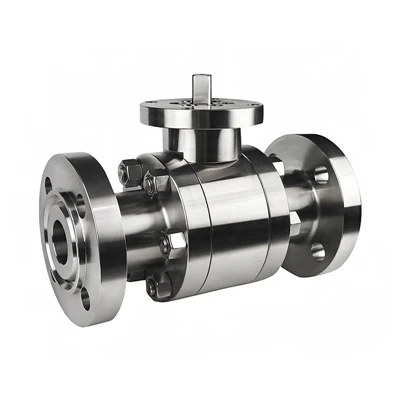
Cryogenic Ball Valve References
National Fire Protection Association. NFPA 13: Standard for the Installation of Sprinkler Systems. 2022 edition.
National Fire Protection Association. NFPA 25: Standard for the Inspection, Testing, and Maintenance of Water-Based Fire Protection Systems. 2023 edition.
Underwriters Laboratories. UL 874: Standard for Actuators for Fire Protection Valves. 2021 edition.
Fire Protection Research Foundation. “Performance of Electric Actuated Valves in Fire Protection Systems.” 2020.
International Code Council. International Fire Code (IFC) 2021.
Zhejiang Chenxiang Valve Co., Ltd.
We are one of the most professional electric actuated ball valve manufacturers and suppliers in China, also support customized service. We warmly welcome you to wholesale high quality electric actuated ball valve in stock here from our factory. If you have any enquiry about quotation, please feel free to email us.
Address: No. 126 Zhongxing Road, Wenzhou Industrial Park, Longwan District, Wenzhou City, Zhejiang Province
E-mail: vip@chenxiangvalve.com
WebSite: https://www.cxindustrialvalve.com/
