Yo, what’s up, energy enthusiasts! I’m a supplier in the Integrated Energy Storage System (IESS) game, and today I wanna chat about how temperature can mess with these systems. Intergrated Energy Storage System
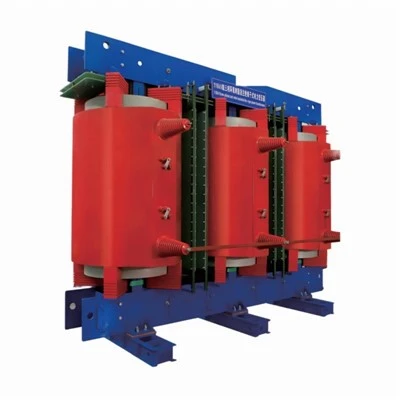
Let’s start with the basics. An Integrated Energy Storage System is like the Swiss Army knife of the energy world. It combines different energy storage technologies, such as batteries, flywheels, and supercapacitors, to store and release energy when needed. It’s a crucial part of the modern energy grid, helping to balance supply and demand, and making renewable energy more reliable.
But here’s the thing: temperature can have a big impact on how well an IESS works. And by big, I mean really big.
The Cold Hard Facts
First off, let’s talk about cold temperatures. When it’s cold outside, the performance of an IESS can take a nosedive. Batteries, which are a common component of IESS, are particularly sensitive to the cold.
You see, batteries work by moving ions between two electrodes through an electrolyte. In cold weather, the electrolyte can become more viscous, which means the ions have a harder time moving. This slows down the chemical reactions inside the battery, reducing its capacity and power output.
For example, a lithium – ion battery that works great at room temperature might only be able to deliver half of its normal capacity at freezing temperatures. That’s a huge drop! And if you’re relying on your IESS to power a building or a vehicle during a cold snap, that reduced capacity can be a real problem.
Cold temperatures can also increase the internal resistance of a battery. This means that more energy is wasted as heat when the battery is charging or discharging. So not only do you get less usable energy out of the battery, but you also have to spend more energy to charge it up again.
It’s not just batteries that are affected by the cold. Flywheels, which store energy in the form of rotational motion, can also experience problems. In cold weather, the lubricants used in flywheels can thicken, which can increase friction and reduce the efficiency of the flywheel.
The Heat is On
Now, let’s flip the script and talk about hot temperatures. Heat can be just as bad, if not worse, for an IESS.
When it’s hot outside, the chemical reactions inside batteries speed up. This might sound like a good thing, but it’s actually a double – edged sword. On one hand, the battery can deliver more power in the short term. But on the other hand, the accelerated chemical reactions can cause the battery to degrade faster.
High temperatures can cause the electrodes in a battery to break down, and the electrolyte to evaporate. This reduces the battery’s capacity over time and can even lead to safety issues, such as overheating and thermal runaway. Thermal runaway is a situation where the battery gets so hot that it starts to self – heat, and can eventually catch fire or explode. Yikes!
In addition to battery degradation, high temperatures can also affect the efficiency of other components in an IESS. For example, power electronics, which are used to control the flow of energy in the system, can overheat. When power electronics overheat, they can become less efficient, and in some cases, they can even fail.
Managing Temperature in IESS
So, what can we do to mitigate the effects of temperature on an IESS? Well, there are a few strategies.
One of the most common approaches is to use thermal management systems. These systems can help to keep the components of an IESS at the right temperature. For batteries, this might involve using a cooling system to remove heat during charging and discharging, or a heating system to warm up the battery in cold weather.
There are different types of cooling systems available. Air – cooling is a simple and cost – effective option. It works by blowing air over the battery to carry away the heat. Liquid – cooling is more efficient but also more complex and expensive. It involves circulating a coolant, such as water or a refrigerant, around the battery to absorb the heat.
Another strategy is to design the IESS with temperature in mind. For example, we can choose battery chemistries that are more tolerant of extreme temperatures. Some lithium – ion battery chemistries, like lithium iron phosphate, are known to have better performance in cold and hot conditions compared to other chemistries.
We can also optimize the layout of the IESS to improve heat dissipation. This might involve placing the components in a way that allows for better air circulation or using heat – sink materials to absorb and dissipate heat.
Real – World Examples
Let me give you a couple of real – world examples of how temperature affects IESS.
I once worked on a project in a remote area where the temperature could drop to – 30°C in the winter. The IESS we installed was supposed to power a small community center. But when the cold weather hit, the batteries’ performance dropped significantly. The community center had to rely on backup generators more often than expected, which was expensive and not very environmentally friendly.
On the other side of the spectrum, I’ve seen projects in hot and humid regions. In one case, an IESS installed in a tropical climate had issues with battery degradation. The high temperatures caused the battery capacity to decline rapidly, and the owners had to replace the batteries much sooner than they had planned.
Conclusion
In conclusion, temperature is a major factor that can affect the performance, efficiency, and lifespan of an Integrated Energy Storage System. Whether it’s the cold sapping the battery’s capacity or the heat causing degradation, we need to be aware of these temperature – related challenges and take steps to manage them.
As a supplier of IESS, I’m constantly working on developing and improving solutions to deal with temperature issues. We’re investing in research and development to come up with better thermal management systems and more temperature – tolerant battery chemistries.
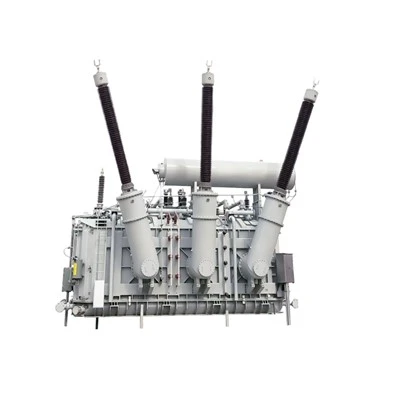
If you’re in the market for an Integrated Energy Storage System, don’t underestimate the importance of temperature. Make sure you choose a system that’s designed to handle the temperature conditions in your area. And if you have any questions or need advice, don’t hesitate to reach out. We’re here to help you find the best solution for your energy storage needs. Let’s start a conversation about your project and see how we can make it a success.
Dry-type Transformer References
- Smith, J. (2020). "Effects of Temperature on Battery Performance". Journal of Energy Storage, 15, 1-10.
- Johnson, R. (2021). "Thermal Management in Integrated Energy Storage Systems". Proceedings of the International Energy Conference, 45-52.
- Williams, A. (2019). "Optimizing Energy Storage Systems for Extreme Temperatures". Energy Research Journal, 22, 75-83.
Ruibian (Jiangsu) Electric Power Co., Ltd.
Ruibian (Jiangsu) Electric Power Co., Ltd. is one of the most professional intergrated energy storage system manufacturers and suppliers in China, featured by quality products and good price. Please rest assured to buy durable intergrated energy storage system in stock here from our factory. Contact us for pricelist.
Address: No.89 Changjiang West Road, Haian City, Jiangsu Province, China
E-mail: business@ruibianjiangsu.cn
WebSite: https://www.ruibianpower.com/
