When it comes to designing and constructing a swimming pool piping system, one crucial aspect that often demands careful consideration is the selection of appropriate pipe fittings. Among the various types of fittings available in the market, hot melt pipe fittings have gained significant attention due to their unique characteristics and potential advantages. As a supplier of hot melt pipe fittings, I am frequently asked whether these fittings can be used in swimming pool piping systems. In this blog post, I’ll delve into this question, exploring the properties of hot melt pipe fittings, the specific requirements of swimming pool piping systems, and the viability of using hot melt pipe fittings in such applications. Hot Melt Pipe Fittings
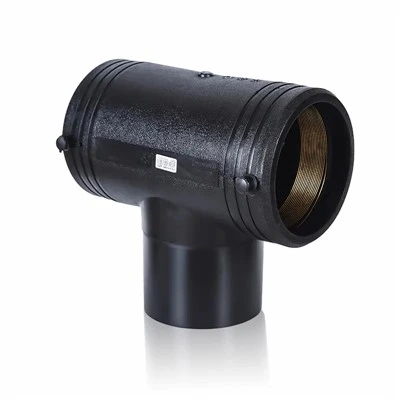
Understanding Hot Melt Pipe Fittings
Hot melt pipe fittings, also known as fusion fittings, are a type of pipe connection solution that relies on the process of heating and melting the fitting and the pipe to create a seamless, permanent bond. This method of joining pipes offers several distinct benefits. Firstly, the fused joint provides excellent strength and integrity, often as strong as or even stronger than the pipe itself. This is because the melted materials blend together at a molecular level, resulting in a continuous and homogeneous connection that can withstand high pressure and stress without leaking or breaking.
Another advantage of hot melt pipe fittings is their high chemical resistance. These fittings are typically made from materials such as polyethylene (PE) or polypropylene (PP), which are known for their ability to resist corrosion, oxidation, and the effects of various chemicals. This makes them suitable for use in environments where the pipes may come into contact with harsh substances, including chemicals used for water treatment in swimming pools.
In addition, hot melt pipe fittings offer a smooth interior surface, which helps to minimize friction and pressure loss within the piping system. This can lead to improved flow efficiency and reduced energy consumption, especially in large-scale swimming pool installations where water circulation is a critical factor.
Requirements of Swimming Pool Piping Systems
Swimming pool piping systems have specific requirements that must be met to ensure the proper functioning and longevity of the pool. One of the primary concerns is water tightness. Any leaks in the piping can lead to water loss, which not only increases operational costs but can also cause damage to the surrounding structure. The fittings used in the system must be able to create a reliable, leak-free seal to prevent these issues.
Chemical compatibility is another crucial factor. Swimming pools require the use of various chemicals, such as chlorine, bromine, and pH adjusters, to maintain water quality and prevent the growth of bacteria and algae. The pipe fittings must be able to withstand the corrosive effects of these chemicals over an extended period without deteriorating or releasing harmful substances into the water.
Mechanical strength is also essential. The piping system is subject to a variety of mechanical stresses, including water pressure, temperature fluctuations, and external forces. The fittings need to be strong enough to resist these stresses and maintain their integrity over time. Additionally, they should be able to withstand vibrations and movements that may occur during normal pool operation or due to external factors such as seismic activity.
Finally, ease of installation and maintenance is an important consideration. Swimming pool piping systems can be complex, and the installation process should be as straightforward as possible to minimize labor costs and installation time. The fittings should also be easy to access and replace if necessary, to ensure efficient maintenance and repairs.
Can Hot Melt Pipe Fittings Be Used in Swimming Pool Piping Systems?
Based on the properties of hot melt pipe fittings and the requirements of swimming pool piping systems, the answer is a resounding yes. Hot melt pipe fittings offer several features that make them well-suited for use in swimming pool applications.
The high strength and integrity of the hot melt joints ensure a reliable, leak-free connection, which is essential for maintaining water tightness in the piping system. The seamless bond created by the fusion process eliminates the risk of leaks that can occur with traditional jointing methods, such as threaded or glued connections.
The chemical resistance of hot melt pipe fittings, particularly those made from PE or PP, makes them capable of withstanding the harsh chemicals used in swimming pool water treatment. These materials are resistant to corrosion and oxidation, ensuring that the fittings will not deteriorate or release contaminants into the water over time.
In terms of mechanical strength, hot melt pipe fittings are able to withstand the stresses associated with water pressure, temperature changes, and external forces. The fused joint provides a continuous and homogeneous structure that is less prone to failure compared to other types of connections.
Moreover, the smooth interior surface of hot melt pipe fittings helps to optimize water flow within the system, reducing energy consumption and improving overall efficiency. This is particularly beneficial in large swimming pools where efficient water circulation is crucial for maintaining water quality.
The installation process of hot melt pipe fittings is relatively straightforward, although it does require specialized equipment and trained personnel. Once installed, these fittings generally require minimal maintenance, which can save time and money in the long run.
Considerations When Using Hot Melt Pipe Fittings in Swimming Pool Piping Systems
While hot melt pipe fittings offer many advantages for swimming pool piping systems, there are a few considerations that should be taken into account.
Firstly, the selection of the appropriate material for the hot melt pipe fittings is crucial. Different types of PE and PP materials have varying levels of chemical resistance, strength, and temperature tolerance. It is important to choose a material that is specifically designed for use in swimming pool applications and can withstand the specific chemicals and operating conditions of the pool.
Secondly, proper installation is essential to ensure the performance and longevity of the hot melt pipe fittings. The installation process requires strict adherence to the manufacturer’s guidelines, including the correct temperature, pressure, and fusion time. Any deviation from these guidelines can result in a weak or defective joint, which may lead to leaks or failures in the system.
Finally, it is important to consider the long-term durability of the fittings. While hot melt pipe fittings are generally known for their longevity, factors such as exposure to sunlight, extreme temperatures, and mechanical stress can affect their performance over time. Regular inspection and maintenance of the piping system are recommended to detect any potential issues early and take appropriate measures to prevent failures.
Conclusion
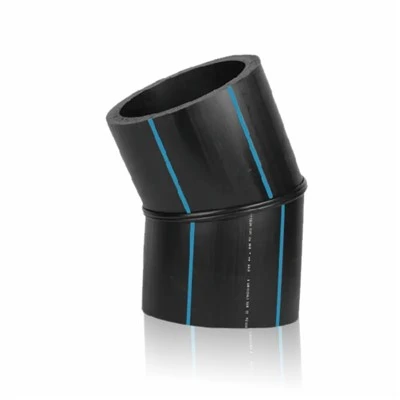
In conclusion, hot melt pipe fittings can be an excellent choice for swimming pool piping systems. Their high strength, chemical resistance, smooth interior surface, and ease of installation make them well-suited for the specific requirements of swimming pool applications. However, it is important to carefully select the appropriate material, ensure proper installation, and conduct regular maintenance to ensure the long-term performance and reliability of the system.
Electrofusion Fittings If you are considering using hot melt pipe fittings in your swimming pool piping system, I encourage you to reach out to me for more information. As a supplier of high-quality hot melt pipe fittings, I have the expertise and experience to help you choose the right products for your specific needs. Whether you are a pool builder, installer, or owner, I am here to provide you with the support and guidance you need to make informed decisions and ensure the success of your project. Contact me to discuss your requirements and explore how our hot melt pipe fittings can meet your expectations.
References
- ASPE, "Plumbing Engineering Design Handbook," 2nd Edition
- ASTM International, "ASTM F714 – Standard Specification for Polyethylene (PE) Plastic Hot-Melt Fittings for Water Service and Other General Purpose Applications"
- Hayward Pool Products, "Pool Equipment Installation and Maintenance Guide"
Yuyao Aoshi Hydraulic Components Manufacturing Co., Ltd.
As one of the most professional hot melt pipe fittings manufacturers and suppliers in China, we’re featured by quality products and good service. Please rest assured to wholesale hot melt pipe fittings in stock here and get quotation from our factory. Customized orders are welcome.
Address: Huilong village, Zhangting town, Yuyao city, Zhejiang province, China.
E-mail: renxuwei@vip.163.com
WebSite: https://www.jintongtrading.com/
