Hey there, ever noticed how half the juice cans you grab from the grocery shelf have those little metal tabs on top, while the other half need a whole can opener to pry open? I’m the owner of a juice can supply company—been in this game for 8 years, seen every single customer question you can think of, and this one’s way more common than you’d guess. Today we’re breaking down exactly why those metal tabs exist, no stuffy industry jargon, just real talk from someone who stares at can lids all day. Juice Can
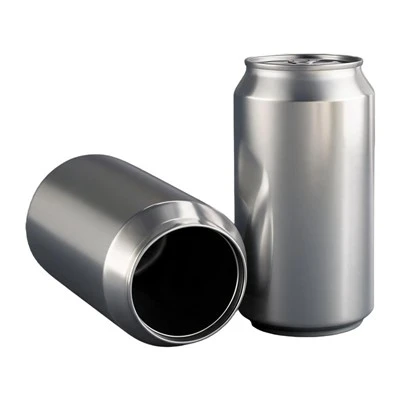
First off, let’s get one thing straight: those tabs aren’t just a “nice addition” to look cool on a shelf. They’re a total game-changer for how you, the customer, interact with your juice. Think about the old-school cans you’ve used before—you need that bulky, sharp can opener, you have to find the right edge, you risk nicking your fingers, and half the time you end up with juice dripping because the lid’s bent weird. Those metal tabs? They eliminate all that hassle. But it’s not just for convenience—there’s a bunch of actual science and practical design that went into perfecting them, way back when they were first invented.
Let’s rewind a little. Before pull tabs, juice cans (and almost all canned goods) required that manual can opener we all dread. For decades, that was the only safe, reliable way to open a hermetic can—you needed to puncture the side evenly, twist it around, and yank the lid off without spilling or leaving sharp edges. But by the mid-20th century, consumers were starting to demand easier access, especially for single-serve juice cans that people were grabbing for lunches, picnics, or sports. No one wanted to carry a bulky can opener just to have a mid-hike apple juice.
That’s where the pull tab, or what the industry calls a “ easy-open end” (EOE), comes in. The first patent for a modern pull tab was actually filed in the 1950s, but it took another 20 years to get it right. Early versions were total garbage—they’d rip off, bend, or leave sharp metal shavings in the juice. We’ve all been there: you yank the tab so hard it snaps off, and now you’re stuck with a tiny metal nub you can’t grab, or you’ve got juice all over your hands. The tabs we use now? They’re precision-engineered. The top of the can has a pre-scored line—super thin, almost invisible in most cases—that acts like a perforation in a piece of paper. When you lift the tab, it pulls that scored line open evenly, creating a clean, smooth hole without sharp edges.
Now, let’s talk about why this is way better for juice specifically, not just any canned good. Juice is acidic, right? Super acidic—think orange juice, apple juice, even cranberry juice. That acidity speeds up corrosion, especially on metal cans. Those old can opener lids? They left tiny gaps around the puncture points, which let tiny amounts of air and moisture seep in over time. That’s why sometimes a can of juice will taste “off” even before it’s expired—small amounts of corrosion or bacterial growth from those gaps. The pull tab’s design creates a tight, hermetic seal when it’s closed, and when you open it, that scored line is precise enough that once you close the tab back down (yes, you can! Most people don’t know that), you’re pretty much re-sealing the can. That means less air exposure, so your juice stays fresher longer after opening. Big win for anyone who doesn’t finish a whole can in one sitting.
Speaking of safety, that’s another huge one. Old can openers are sharp. Every year, thousands of people end up in the ER with cuts from can lids or can openers. Kids, especially, are at risk—we’ve all seen a kid fumble with a can opener, get a tiny cut on their finger, and cry. The pull tab eliminates that risk almost entirely. No more digging for a can opener at a park or a school lunch table, no more sharp edges left on the can after opening. Our customers (the big juice brands we supply) love this because it means fewer product returns, less liability, and happier customers who don’t have to stress about getting hurt.
Wait, but what about recycling? I know that’s a big topic these days, and a lot of people assume those tabs make recycling harder. Let’s clear that up. Modern pull tabs are made of the same aluminum or tin-plated steel as the rest of the can, so when you toss the whole can in recycling, the tab stays on and gets recycled with it. The old pull tabs that would come loose (called “rip tabs”) were a problem because they’d get stuck in recycling sorting equipment, but we haven’t used those in decades. Now, almost every can with a pull tab has a tab that’s designed to stay attached, so recycling centers don’t have to worry about them. Plus, some brands even make tabs that you can lift and then push back down into a little slot so they lie flat, which makes stacking cans easier and takes up less space in your pantry.
Let’s get into the technical stuff, just enough to make it real. The easy-open end on our juice cans is made with a process called “die cutting” where the scored line is made with a super sharp die that’s calibrated to only cut through the top layer of metal, not the inner liner (which is what keeps the juice from touching the metal directly and corroding it). If the die cut too deep, you’d puncture the liner and the juice would come into contact with the metal, leading to a metallic taste—no one wants that, especially with fresh-squeezed tasting juice. If it cut too shallow, the tab wouldn’t pull through the line, so you’d have to use a can opener anyway. We test every batch of cans to make sure the scored line is perfect, so opening is easy but the seal is tight.
Another thing: shelf appeal. I’ve been to grocery stores, and I can tell you right now that cans with pull tabs sell better. They look cleaner, they’re easier to open on the spot, and customers perceive them as higher quality. Think about it: if you’re standing in the checkout line, and you have a choice between a juice can that you have to open with a can opener and one that you can pop open right there, which one are you grabbing? The pull tab gives customers instant gratification, no wait, no hassle. That’s a huge selling point for the juice brands we work with, because it translates to higher sales.
But wait, it’s not just for single-serve cans. Even the larger multi-serve juice cans (like the 64oz ones) have pull tabs now, though you might not notice. Those use a different type of easy-open end—called a “full aperture end”—that opens up the whole top of the can, so you can pour juice out easily without making a mess. That’s a different design than the small pull tabs on single-serve, but the same core idea: easy to open, safe, keeps juice fresh.
I get it, some people still prefer the old way. Maybe you grew up with a can opener, you think pull tabs are less reliable, or you like the nostalgia. But let’s be real: the technology has come a long way. The tabs we use now have a hinge that’s super strong, so they don’t break if you open them correctly. You just lift the tab until it clicks, pull it all the way up, and you’re done. No extra effort, no mess.
Here’s the thing about my job: we’re not just selling cans. We’re helping juice brands give their customers a better experience. Those metal tabs are a small part of that, but they make a huge difference. When a kid can open their own juice can for lunch without asking a parent for a can opener, that’s a win. When you’re at a picnic and can open your drink in two seconds flat, that’s a win. When your juice stays fresh for an extra day after opening because the seal is tight, that’s a win.

If you’re a juice brand looking to switch to cans with pull tabs, or you’re just curious about our line of juice can supplies, I’d love to chat. We work with all kinds of brands, from small local operations to big national distributors, and we can customize cans to fit your juice’s needs—whether that’s different sizes, liners, or pull tab designs. Shoot me a message, and we can go over exactly what you’re looking for, no pressure, no sales pitch fluff.
Beverage Can References:
- U.S. Food and Drug Administration. (2021). Food Packaging and Labeling: Canned Foods.
- Aluminum Association. (2022). Easy-Open Ends: Design, Function, and Recycling.
- The Can Manufacturers Institute. (2020). History and Advancements of Metal Can Packaging.
- Journal of Food Protection. (2019). Corrosion Control in Acidic Canned Beverages.
- Consumer Product Safety Commission. (2021). Preventing Canning-Related Injuries.
Fudijia (Tianjin) Supply Chain Co., Ltd.
As one of the most professional juice can manufacturers and suppliers in China, our products have good reputation in the market. Please feel free to buy customized juice can made in China here from our factory. Quality products and low price are available.
Address: Room 1602, MSD-G1, TEDA , Binhai New Area, Tianjin, China, 300457
E-mail: Sales896@hjlfoods.com
WebSite: https://www.fdjpack.com/
