When customers first reach out to our fiberglass tissue supply, one question always comes up—sometimes half-jokingly, sometimes with genuine concern: “Can fiberglass tissue be cut easily?” It’s a fair ask. If you’re a manufacturer working with composite materials, a contractor finishing a HVAC duct system, or even a hobbyist testing a new craft project, the ability to cleanly, efficiently cut fiberglass tissue without ruining its integrity or wasting material is make-or-break for your timeline and budget. Having supplied fiberglass tissue for over 12 years now, I’ve seen every mistake people make when they underestimate (or overestimate) this material’s cutability—and I’m here to set the record straight. Fiberglass Tissue
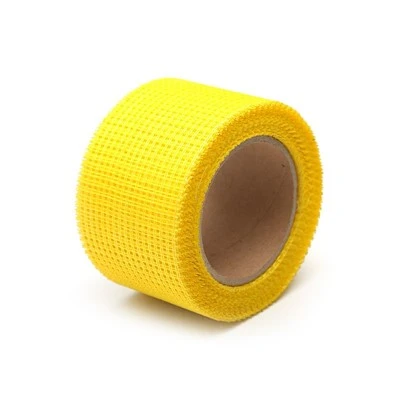
First, let’s get clear on what fiberglass tissue actually is, because that’s the foundation of how it handles cutting. Unlike woven fiberglass cloth, which uses thick, interlaced strands for structural strength, fiberglass tissue is a lightweight, non-woven mat made from tiny, spun glass fibers bonded together with a heat-resistant resin binder. Its purpose? It’s the unsung hero of composite lamination: it adds extra resin absorption, creates a smooth barrier between layers, and boosts corrosion resistance in pipes, tanks, and aerospace components. That porous, mat-like structure is why its cutability is different from more rigid fiberglass products, and why it’s not as simple as “it cuts easy”—it depends on a few key factors most buyers don’t realize at first.
Let’s start with the good news: for most standard grades of fiberglass tissue, yes, it is far easier to cut than many comparable fiberglass products. I’ve had customers cut full 50-foot rolls of 1-oz. fiberglass tissue with just a pair of sharp fabric shears in a home workshop, no fancy tools required. That’s not a fluke, either. The fibers in standard tissue are short (usually less than 1 inch long) and loosely bonded, so they don’t resist being sliced like the long, tight strands in woven cloth. Even for bulk projects, a utility knife or a circular saw with a fine-tooth blade (18–24 teeth per inch) will glide through it without fraying, as long as you apply gentle, even pressure. This ease of cutting is actually a intentional design feature of fiberglass tissue—manufacturers developed it to be workable for job sites where large cuts and precise details are needed, without waiting for specialized equipment.
But here’s where a lot of folks get tripped up: not all fiberglass tissue is the same, and some grades are much harder to cut than others. If you’re working with high-temperature fiberglass tissue (also called E-glass or S-glass tissue, used in applications like fire-resistant ductwork or aerospace components), those fibers are longer and bound with a stronger, heat-cured binder to withstand extreme temperatures. That extra durability makes it significantly stiffer, so cutting it with basic scissors will leave frayed edges, and you’ll need a sharp utility knife or a rotary cutter designed for lightweight industrial materials. Then there’s surfacing veil tissue, a thin, ultra-lightweight grade (less than 0.5 oz.) used to create a smooth, defect-free finish on composite parts. This stuff is almost like tissue paper—it’s delicate, so cutting it requires even more care; a dull knife or too much pressure will tear it entirely, making it unusable. That’s not a flaw in the product—it’s just a trade-off for its thin, smooth finish.
Another common misconception: “If I soak the fiberglass tissue in resin, it’ll be even harder to cut.” Actually, that’s not always true. Wait for it to partially cure (aka gel), and you can cut it like a soft, foam-like material, which is great for shaping complex curves or adding custom details to a mold. But if it’s fully cured, the resin will harden into a solid glass-composite structure, and cutting it will require specialized tools—like a diamond blade or a water jet cutter. That’s a key tip: if you’re pre-cutting tissue before lamination, do it dry; if you’re cutting after it’s cured, plan for heavy-duty tools. I’ve had dozens of HVAC technicians tell me that pre-cutting tissue dry saves them 20% on job time, because they don’t have to clean resin off their blades between cuts.
Now, let’s talk about the mistakes I see most buyers making when cutting fiberglass tissue, because even if the material is easy to work with, a little care goes a long way. First, using dull tools. It doesn’t matter if you have the sharpest shears in the shop—if they’re crusted with old fiberglass or resin, they’ll fray the edges of every cut. We always recommend replacing the blades on your utility knife after 2–3 large rolls of tissue, and cleaning fabric shears with rubbing alcohol before each use to remove any leftover adhesive from the binder. Second, not stabilizing the material before cutting. Fiberglass tissue is thin and flexible, so if you just unroll a section and start cutting, it’ll shift and the edges will be uneven. I keep a roll of double-sided tape in our supply warehouse for just this reason: stick the tissue to a piece of MDF board or a worktable, cut it flat, and you get clean, straight edges every time. Third, ignoring the direction of the fibers. Wait—fiberglass tissue is non-woven, so there’s no “grain” like fabric, right? That’s true for standard grades, but high-strength E-glass tissue can have a slight fiber alignment from the manufacturing process, so cutting with that alignment will leave cleaner edges than cutting against it. It’s a tiny detail, but it’s one that separates a good cut from a perfect one for critical applications.
As a supplier, I also work with customers to match the right fiberglass tissue to their cutting needs, because that’s half the battle. If you’re a hobbyist making small birdhouses or DIY boat repairs, we’ll point you toward our standard 1-oz. E-glass tissue, which cuts easily with basic tools and is affordable for small projects. If you’re a commercial contractor doing 10,000 sq. ft. of HVAC ductwork, we’ll recommend our pre-slit rolls, which are cut to standard duct sizes at the factory—so you don’t have to cut anything onsite at all, saving you time and reducing fiberglass dust on the job. If you’re an aerospace manufacturer working with fire-resistant components, we’ll walk you through the best tools for cutting S-glass tissue, including the fine-tooth blades and dust masks you’ll need for safety.
Speaking of safety, let’s not skip that—because even though fiberglass tissue is easier to cut than other fiberglass products, it still creates fine glass fibers that can irritate your skin, lungs, and eyes. I always tell customers to wear a dust mask, safety glasses, and gloves when cutting any fiberglass material, even dry tissue. If you’re cutting indoors, set up a cheap air purifier near your work area to catch the fine fibers—we’ve had customers say this cuts cleanup time by 90%, which is a huge win for job sites. We also supply disposable fiberglass cutting mats that catch all the scraps, so you don’t have to sweep glass fibers off your entire shop floor later.
Now, let’s answer the question that’s probably top of mind for many buyers: how easy is it really, compared to other materials? Let’s do a quick comparison. Drywall is easy to cut, but it tears easily and isn’t as durable. Woven fiberglass cloth is more rigid, so it’s harder to cut without fraying. Carbon fiber is even stiffer, requires specialized tools, and is way more expensive. Fiberglass tissue falls right in the middle—easy enough for a home hobbyist, but durable enough for industrial use. That flexibility is why it’s one of the most widely used composite materials in the world.
I’ve had customers come to us after buying cheap fiberglass tissue from big-box stores, saying it’s impossible to cut without it tearing. That’s not because the material is inherently bad—it’s because those cheap grades use shorter, lower-quality fibers and a weaker binder, so they fall apart when you apply even a little pressure. Our fiberglass tissue is manufactured with consistent, long staple fibers and a uniform binder, so it holds its shape when cut, even for precise details. That’s the value we offer as a supplier: we don’t just sell a product—we provide a material that’s designed to work with the tools most people already have, making your job easier.
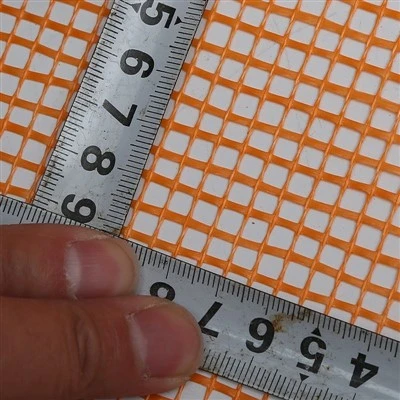
At the end of the day, the answer to “Can fiberglass tissue be cut easily?” is: yes, if you choose the right grade, use the right tools, and follow a few simple tips. For anyone who’s still unsure, or who needs the right grade for a specific project, I’m here to help. Whether you’re a small business owner looking to restock, a contractor planning a large commercial project, or a hobbyist just starting out, we can walk you through the best options, answer any questions you have about cutting, and get you the material you need when you need it. Don’t hesitate to reach out to our team to discuss your requirements, ask about product samples, or get a custom quote for your next project. We’re here to make working with fiberglass tissue as smooth and stress-free as possible.
Exterior Wall Fiberglass Mesh References
- ASTM D578-18, Standard Specification for Glass Fiber Strands.
- Composite Materials Handbook, Volume 1: Polymer Matrix Composites, Society of Automotive Engineers, 2012.
- Fiberglass Manufacturers Association, “Guide to Working with Non-Woven Fiberglass Tissues,” 2021.
Danyang Yonggu Building Materials Co., Ltd.
Danyang Yonggu Building Materials Co., Ltd. is one of the most professional fiberglass tissue manufacturers and suppliers in China, featured by quality products and good price. Please rest assured to wholesale customized fiberglass tissue made in China here from our factory.
Address: Danyang City, Jiangsu Province, P.R. China
E-mail: sales02@cnyongu.com
WebSite: https://www.ygfiberglass.com/
