If you’ve ever used XPS (extruded polystyrene) sandwich panels for commercial or industrial building construction, you already know how game-changing they are. Their lightweight structure, superior insulation, and durable outer layers make them a go-to for warehouses, cold storage units, and even prefabricated office spaces. But here’s the thing I’ve seen more than a few clients struggle with over the years: insect infestations in these panels. As a supplier of XPS sandwich panels, I’ve built my business on helping customers avoid costly maintenance, repairs, and downtime—and insect-related issues are one of the most preventable problems out there. Let’s break down why this happens, how to spot it early, and most importantly, what you can do to keep those pests out for good. XPS Sandwich Panel
First, let’s get one thing straight: XPS foam itself is not a buffet for insects. Unlike some other insulation materials, XPS is a closed-cell structure, which means it has very few air pockets or gaps for bugs to burrow into. The trouble starts with the panel’s installation, finishing, and long-term site conditions. I’ve had a client reach out to me two years after we supplied their panels, panicking because carpenter ants had tunneled through a seam between two panels in their cold storage facility. When we looked at the site, we noticed that during installation, the crew had left a small gap between panels that was never sealed with the approved adhesive. Over time, moisture seeped into that gap, softened the tiny edge of the foam, and gave the ants the perfect entry point. That’s a classic case of avoidable infestation.
Other common culprits include poor site preparation before the panels even go up, using inferior sealing materials that break down over time, and not addressing existing pest activity on the construction site before installation begins. I always tell my customers that preventing insect issues with XPS sandwich panels starts before the first panel is ever mounted on a wall or roof.
Let’s start with pre-installation steps, because this is where most people cut corners, and that’s where problems start. Before we even deliver the panels, I recommend that every construction team do a full site pest inspection. That means checking for ant hills near the foundation, termite activity in wooden structures on the property, cockroach nests in stored debris, or even rodents that might chew through panel edges once installed. I once worked with a manufacturing plant that stored construction materials right next to a large wooded area teeming with termites. They didn’t treat the site before installing our XPS panels, and six months later, termites had made their way through a gap in the foundation wall and were eating away at the foam core near the ground. The fix wasn’t just treating the panels—it was treating the entire perimeter of the building site, and that’s something I always emphasize to my clients.
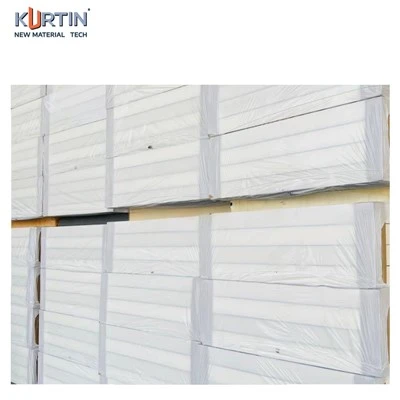
Next, proper storage of panels on-site before installation. XPS panels are durable, but they’re not invincible. If you leave them stacked on the ground for weeks in a damp, shaded area, moisture can seep into the edges of the panels, making those edges soft and easier for insects to chew through. I always advise customers to store panels on a raised, level platform—we supply custom wooden skids for this very purpose when they order bulk panels from us. The skids keep the panels off the ground, allow air to circulate between stacks, and prevent standing water from pooling around the edges. I once had a small construction company skip this step, stacking panels directly on muddy ground after a rainstorm. By the time they were ready to install, the bottom edges of 20 panels were waterlogged, and we had to replace them at no extra cost (part of our quality guarantee). But more importantly, that waterlogged edge was a ticking time bomb for insects, and they ended up having to repair half the wall six months later. Proper storage isn’t just about protecting the panels—it’s about preventing pest entry points before they even exist.
Now, the installation part, which is where the real magic (and the most critical steps) happen. When you mount XPS sandwich panels, the seams between adjacent panels are the number one entry point for insects. These panels are precision-cut, but even a 1mm gap between two panels is enough for a small ant or a termite to squeeze through. That’s why we always recommend using the manufacturer-approved sealant and adhesive for seams, not a generic caulk from the hardware store. Generic caulk can dry out, crack, or separate from the panel surface within a year, especially if it’s exposed to extreme temperatures or UV light. Our approved sealants are designed specifically to bond with XPS foam and the panel’s outer layers, creating a flexible, weather-tight barrier that stays intact for decades. I’ve seen a customer use generic silicone caulk on their roof panels, and within 18 months, the caulk had pulled away from the seams, and they had a full infestation of paper wasps nesting in the gaps. We went back and re-sealed all seams with our approved sealant, and they haven’t had a problem since.
Another key installation step is sealing around penetrations. Any time you have to cut a panel for a pipe, a vent, a window frame, or a door, you create a new opening that’s vulnerable to pests. Those cut edges of the foam are often exposed, too—if you don’t cover them properly, insects can burrow into the raw foam (even though it’s closed-cell, cut edges are softer than the molded edges). We provide edge caps for all panel penetrations as part of our standard supply, and we insist that customers use them, along with sealant, to seal the area around pipes and wires. I had a client who installed a 4-inch ventilation pipe through their wall, and they tried to skip the edge cap, just caulk around the pipe. Within three months, mice had squeezed through the tiny gap between the pipe and the wall, and had chewed through the foam core to build a nest inside the wall cavity. That’s a costly mistake, and one that’s completely avoidable with the right materials.
Then there’s the matter of coating and finishing the outer layer of the panels. Most XPS sandwich panels come with a durable outer skin—usually galvanized steel, aluminum, or a composite material—but that skin can be vulnerable to damage during installation, or over time from weather, impact, or UV exposure. If the outer skin gets punctured, scratched, or peeled back, the foam core is exposed, and insects will take advantage. I always advise customers to do a full inspection of all panels after installation, and to touch up any scratches or dents in the outer skin with manufacturer-approved paint or patching compound. For roofs, in particular, I recommend adding a UV-resistant top coat every 10 years, which not only protects the outer skin from the sun’s harsh rays but also creates an extra layer of defense against pests. I had a cold storage client who skipped the top coat on their roof panels, and after five years, the outer steel skin had started to rust and peel in several areas. By the time they noticed, carpenter bees had bored through the rusted steel and were nesting in the foam core, requiring us to replace over 50 panels. A simple top coat application would have saved them thousands of dollars and a lot of stress.
Maintenance is the final piece of the puzzle, and it’s something that even the most careful customers sometimes neglect. Preventing insect infestations doesn’t end when you walk away from the construction site—it’s an ongoing process. I recommend that every customer do a quarterly walkaround of their building to check for early signs of pest activity. What should you look for? Small holes in the outer skin of the panels (that could be from insects or rodents), droppings near panel seams or penetrations, tiny piles of sawdust (that’s a big one—carpenter ants and termites leave sawdust-like frass behind), or even live insects crawling on the panels or around the foundation.
If you do spot a problem, act fast. I’ve seen infestations spread from one panel to an entire wall in less than six months. The first step is to identify the type of insect: ants, termites, wasps, and even rodents all have different treatment methods. For surface pests like ants or wasps, a non-toxic, residual insecticide spray (applied by a licensed pest control professional) around the perimeter of the building can eliminate colonies before they reach the panels. For more serious issues like termites, you’ll need to treat the foundation and any damaged panels. I always tell my customers that if they find frass or holes in panels, they should contact our team immediately—we offer repair services for damaged panels, and we can help you assess the extent of the infestation to prevent it from spreading.
Another maintenance tip: keep the area around the building clear of debris, vegetation, and standing water. Insects love to nest in piles of wood, leaves, or cardboard, and they’ll use overgrown shrubs as a bridge to reach panel seams. I had a client with a small warehouse that had a row of hedges growing right along the side of the building. Within a year, the hedges had grown against the wall, and cockroaches had moved into the gap between the hedge and the panel. Trimming the hedges back to at least 12 inches from the wall, and clearing any debris within 3 feet of the foundation, eliminated that problem entirely. Standing water near the foundation also attracts mosquitoes and other pests that can eventually make their way into gaps around panels, so make sure your site has proper drainage.
Now, I want to be clear: even with all these steps, it’s possible to have a pest issue. But as a XPS sandwich panel supplier, my goal is to make that as unlikely as possible, by providing products that are designed to resist pests, and by working with customers to set up systems that prevent infestations before they start. I’ve built my business on transparency—if a customer is cutting corners on installation or storage, I’ll tell them upfront, because I don’t want them to have to deal with the headache of an infestation down the line.

Let’s recap the key points to prevent insect infestation in XPS sandwich panels: first, do a full pest inspection and treat the site before installation. Second, store panels on raised, ventilated skids to keep them dry and off the ground. Third, use manufacturer-approved sealant and seam materials to close gaps between panels. Fourth, seal all penetrations with edge caps and sealant to eliminate entry points. Fifth, maintain the outer skin of panels with touch-ups and UV-resistant top coats to prevent exposure of the foam core. Sixth, do quarterly walkarounds to catch early signs of pest activity, and act fast if you spot a problem. Seventh, keep the area around the building clear of debris, vegetation, and standing water to remove pest nesting spots.
XPS At the end of the day, insect infestations in XPS sandwich panels are almost always preventable. They don’t have to be a costly surprise that derails your construction project or damages your building. If you’re planning a project that uses XPS sandwich panels, or if you’re dealing with a current pest issue related to panels from any supplier, our team is here to help. We can provide custom-sized panels, guidance on installation and maintenance, and even repair services if you’ve already had damage. Don’t let pests compromise the quality of your building—reach out today to discuss your project and learn how we can help you keep your structure safe, insulated, and pest-free.
References
- American Society for Testing and Materials. (2018). Standard Specification for Extruded Polystyrene (XPS) Foam Used in Building Insulation. ASTM C578-18.
- National Pest Management Association. (2022). Common Structural Pest Infestations and Prevention for Commercial Buildings. NPMA Industry Guidelines.
- International Code Council. (2021). International Building Code, Chapter 14: Exterior Walls and Roof Assemblies. ICC.
- XPS Insulation Manufacturers Association. (2020). Best Practices for XPS Panel Installation and Long-Term Performance. XPS IMA Technical Bulletin 03-20.
- University of California Statewide Integrated Pest Management Program. (2021). Preventing Pest Infestations in Commercial Construction Sites. UC IPM Publication 3336.
Zhejiang Kurtin New Material Tech Co., Ltd.
As one of the most experienced XPS sandwich panel manufacturers and suppliers in China, we offer a wide range of products with superior quality. Please rest assured to wholesale bulk XPS sandwich panel made in China here from our factory. We also accept customized orders.
Address: 8th Floor, Unit 1, Building 3, Zhi Di Mansion, Xiaoshan District, Hangzhou City, Zhejiang Province, P.R. CHINA
E-mail: Jeff.jin@kurtin.cn
WebSite: https://www.insulationpanel.net/
