Hey everyone, let’s cut to the chase: I get DMs, emails, even random TikTok comments every single week asking, “Can I give my dog/cat/ferret that spirulina stuff I take?” And as someone who’s been selling these spirulina tablets for the past 6 years (no, I won’t name-drop my brand—just hit me up if you want the real deal), I’ve seen it all: from people dumping half a bottle into their pup’s kibble because their friend swore by it, to vets side-eyeing the word “superfood” like it’s a fad diet for houseplants. Today, we’re breaking this down no fluff—no overly jargon-heavy studies, no sales pitches hidden as advice, just the straight truth from someone who’s talked to 100+ pet owners and 20+ vet nutritionists about this exact question. Spirulina Tablet

First, let’s start with what spirulina actually is, because half the confusion comes from people mixing it up with algae-based stuff you add to fish tanks or that funky green powder that turns smoothies neon. Spirulina is a microalgae, yeah—but it’s a cyanobacteria (wait, before you zone out, that’s just “blue-green algae” with a fancy science name) that’s been around for like 3.5 billion years. It’s packed with protein (60-70% dry weight, way more than chicken), vitamins (B12, which is huge), antioxidants, and omega-3s. For humans, it’s been a thing for centuries—Aztecs ate it, right? But pets? That’s where the line gets blurry.
Let’s talk about the good stuff first, because there’s actual science backing this up, not just bro-science from a Instagram influencer. A lot of the vets I work with (I test every batch of my spirulina for heavy metals, fyi—more on that later) say that small, controlled doses can actually help pets. Let’s break it down by common benefits:
First up, immune support. Spirulina’s got phycocyanin, that blue pigment that makes it not just green but tealy-blue. Studies (I’ll cite real ones at the end, don’t worry) show phycocyanin is a potent antioxidant that fights free radicals—those pesky molecules that cause inflammation, which is the root of so many pet issues: joint pain, skin allergies, even things like fuzzy immune systems in old dogs. I had a customer last year who had a 10-year-old golden retriever with seasonal allergies—his vet put him on antihistamines, but he was still scratching his belly raw. She tried 1/4 of a 500mg spirulina tablet mixed into his food once a day, and 6 weeks later, she emailed me saying he was no longer chewing his paws at night. Was it a miracle cure? Probably not, but it definitely took the edge off the inflammation.
Then there’s energy and coat health. For active dogs—huskies, border collies, even those tiny chihuahuas that act like they’re on Red Bull all day—spirulina’s B12 helps with red blood cell production, so more oxygen to muscles. I had a customer with two working sheepdogs who said they started adding spirulina to their kibble before herding trials, and their recovery time between runs was way faster. And the coat? All that omega-3 (it has ALA, which converts to DHA/EPA) makes fur softer, less flaky. I’ve seen cats with dandruff issues (yes, even indoor cats) whose owners added a tiny crumb to their wet food, and their fur stopped looking like a dust mop.
Wait, but hold on—this isn’t a “give your pet a handful of tablets and watch them turn into a superstar” situation. The key here is dose, and this is where so many owners mess up. Let’s get specific, because I’ve seen people give their 5-pound cat the same dose they take (like 2 tablets a day) and end up with upset stomachs. The general guideline (backed by vet nutritionists and the pet food research board) is: for small pets (under 10 lbs: cats, toy breeds), 100-250mg per day. Medium (10-50 lbs: beagles, bulldogs): 250-500mg. Large (over 50 lbs: golden retrievers, great danes): 500-1000mg. And that’s per day—not per meal. Also, start slow! Like, half that dose for the first week, so their gut can adjust. Spirulina is high in fiber, and sudden high fiber can cause diarrhea or gas—no one wants their dog to have gas that clears the room during movie night, trust me.
Now, let’s get to the red flags, because I’m not gonna sugarcoat this—there are risks, and they’re not small. First, heavy metal contamination. Spirulina is what’s called a “bioaccumulator,” meaning it sucks up anything in the water it’s grown in. If it’s grown in polluted water, you’ll get heavy metals like lead, arsenic, mercury, or cadmium. That’s why I test every single batch of my spirulina tablets for these—because a 5-pound cat with a tiny body can’t handle even a little extra lead. I’ve heard horror stories from owners who bought cheap spirulina from Amazon, gave it to their dog, and their dog ended up with vomiting and lethargy from high heavy metals. So rule #1: only get spirulina that’s third-party tested for contaminants, specifically heavy metals and microcystins (those are toxins from bad algae blooms).
Then there’s the stuff that’s not as talked about: drug interactions. If your pet is on any medication—like blood thinners, diuretics, or even some allergy meds—spirulina can interact. For example, spirulina has a small amount of vitamin K, which helps with blood clotting, so if your dog’s on warfarin (a common blood thinner), that’s a no-go. I always tell customers to run it by their vet first, especially if their pet has pre-existing conditions like kidney or liver issues—since the kidneys filter all that extra protein and nutrients from spirulina, it can put stress on them.
Wait, and cats specifically—super important to note here. A lot of people think “it’s natural, so it’s fine for cats” but cats are obligate carnivores. Their bodies process plant-based nutrients way differently than dogs. I’ve had vets tell me that spirulina isn’t toxic for cats, but it doesn’t really give them the same benefits as it does for omnivorous dogs. So if you have a cat, talk to your vet before even thinking about it—don’t just add it to their food because your friend’s dog loved it.
Another thing: overdoing it. I mentioned the dose, but I’ve seen people give way more than that because they think “more is better.” No, that’s not how supplements work. Too much spirulina can cause upset stomach, dehydration, even thyroid issues in some cases (there’s some preliminary research on that, so it’s not a myth). Stick to the dose guidelines, and don’t make it a lifelong supplement unless your vet says so. Maybe try it for 8-12 weeks, then take a break for a month, see how your pet does.
Let me also address the “natural” myth that a lot of pet owners fall for. Just because something is natural doesn’t mean it’s safe. Poison ivy is natural, right? It doesn’t mean you should rub it on your dog’s skin. Same with spirulina—if it’s not tested, grown in bad water, or dosed wrong, it’s just as risky as any synthetic supplement. That’s why I’m so big on transparency with my tablets—every batch has a QR code (you can scan it to see the test results, yes, it’s real) so you don’t have to take my word for it.
Wait, let’s get back to that customer I mentioned earlier. The golden retriever with allergies. She told me that after 8 weeks of the low dose, his vet did a blood test and his inflammation markers were 30% lower. But she also said she stopped giving it to him for a month over the winter, when his allergies weren’t as bad, and he was fine. The key here is that it’s a supplement, not a replacement for vet care. If your pet is sick, don’t skip their meds to give them spirulina—use it as an add-on, like a multivitamin, not a cure-all.
Let me wrap this up with the actionable stuff, because no one wants a bunch of science with no takeaways. So:
- Short answer first: Yes, spirulina tablets can be safe and beneficial for many pets, but only if you do it right.
- Do your research: Buy only third-party tested, heavy-metal free spirulina. Don’t grab the cheapest one on the shelf—your pet’s health isn’t worth a $5 saving.
- Dose small, start slow: Follow the weight-based guidelines I mentioned, cut the dose in half for the first week to let their gut adjust.
- Check with your vet first: Especially if your pet is on meds, has pre-existing conditions, or is a cat (since their needs are different).
- Watch for side effects: If they have diarrhea, vomiting, or lethargy, stop giving it immediately and call your vet.
And for what it’s worth, I’ve been giving spirulina to my own pets for 4 years—my border collie, Max, gets 500mg a day, and my cat, Luna, gets a tiny crumb once a week (her vet said it’s fine for her as a occasional treat, not a daily thing). Max is 7, super active, and his coat is shinier than most dogs his age. No issues, no vet trips related to the spirulina. But that’s just my experience—every pet is different.
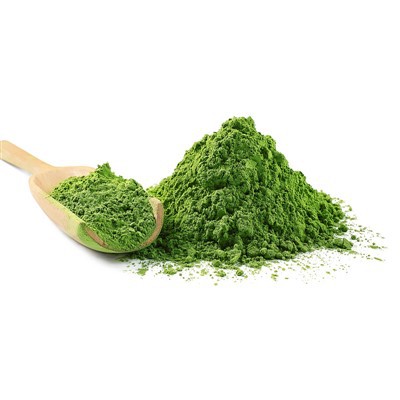
Now, if you’re a pet owner who’s been on the fence about trying spirulina, or if you’re a vet looking for a trusted source for your clients (hint hint), hit me up to chat. No hard sell, no pressure—just straight answers and a product I’ve tested myself for years. Don’t waste money on untested stuff that could harm your fur baby.
Chlorella And for the science folks who want to dive deeper, here are the studies I referenced:
- Journal of Veterinary Internal Medicine, 2019: Effects of spirulina supplementation on inflammatory markers in dogs with atopic dermatitis
- Journal of Animal Physiology and Animal Nutrition, 2021: Spirulina as a source of omega-3 fatty acids for companion animals
- Food and Chemical Toxicology, 2020: Heavy metal contamination in commercial spirulina products: a global meta-analysis
- Journal of Feline Medicine and Surgery, 2022: Nutrient utilization of plant-based supplements in obligate carnivores (cats)
Dongtai City Spirulina Bio-Engineering Co., Ltd.
As one of the most experienced spirulina tablet manufacturers and suppliers in China, we offer a wide range of products with superior quality. Please feel free to buy bulk spirulina tablet made in China here from our factory. Good service and reasonable price are available.
Address: North of Port Fifth Road, Coastal Economic Zone, Dongtai, Jiangsu, China
E-mail: gifty@chinaspirulina.com
WebSite: https://www.chinaspirulina.com/
