Hey there, I’m Jake, and for the last seven years, I’ve run a small but dedicated changing cabinet supply business—my team and I have shipped units to everything from family-friendly rec centers to regional amusement parks, and more than a few of our clients have stopped cold mid-order to ask the same question: “Wait, can we actually use a changing cabinet in a laser tag arena?” At first, this stumped me a little; I’d spent so much time obsessing over durability, accessibility, and ease of cleaning, I hadn’t stopped to think about the unique, high-energy world that is laser tag. But over the years, as we’ve worked with half a dozen laser tag operators, tested our units in three different arena layouts, and even sat in on post-game feedback from kids, teens, and adult players, the answer has become clear: yes—if you pick the right changing cabinet, and set it up the right way, it’s not just allowed, it’s a game-changer for your arena’s comfort, safety, and repeat business. Let’s break this down, no corporate jargon, just real-world lessons we’ve learned sitting next to arena managers as they’ve wrestled with overcrowding, messy gear, and frustrated players. Changing Cabinet
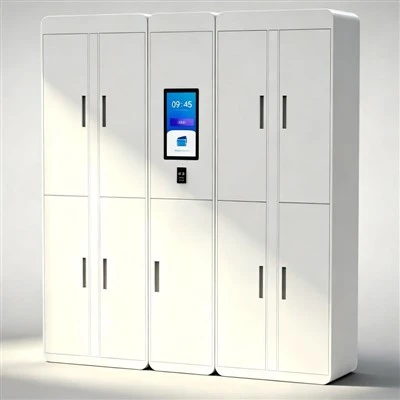
First, let’s talk about what a laser tag arena actually demands. These spaces aren’t like a retail store changing room with a few fabric partitions and a bench. Most indoor laser tag spots are tight—think 1,000 to 5,000 square feet of winding obstacles, neon lighting, and a handful of small, windowless back rooms for check-in, gear storage, and bathrooms. Peak times? Friday and Saturday nights, school holidays, and birthday party weekends, when 20 to 30 players might pile into a space meant for half that, all shedding coats, backpacks, purses, and personal items to grab their over-sized laser tag vests, power packs, and headbands. For years, I heard the same complaint from arena managers: players would toss their stuff onto the nearest bench (which was often right next to the vending machine or the entrance to the arena’s game floor), only to have a half-eaten pretzel get squished, a phone get stepped on, or a kid’s jacket get stolen by another group. That’s where a changing cabinet comes in—they’re designed to be private, secure, and sized to fit the messy, clunky gear laser tag requires. But the key here is “designed for the space,” not a one-size-fits-all unit we sell to a clothing boutique.
A few years back, we worked with a 12,000-square-foot laser tag arena in suburban Chicago that had been operating for five years without any dedicated changing space. Their solution? A long row of folding metal chairs in a back hallway, and a stack of plastic bins to hold personal items. On a busy Saturday night, that area would get so packed, players would line up in the hallway waiting to grab a vest, and no one could hear the staff yelling for them to line up for their game time. After they installed four of our compact, stackable changing cabinets—each with a lockable door, a small shelf for shoes, and a built-in hook for bags—they saw two immediate changes: no more lost or damaged personal items, and the line for gear check-in shrank by 30%. Why? Because each cabinet holds up to two small backpacks and a coat, so players can stow their stuff privately instead of piling it together. And since they’re on wheels, the arena can rearrange them for large birthday parties (when they need extra space) or tuck them in a corner on quiet weeknights when only a few players show up.
But wait—what about the unique hazards of laser tag? These aren’t high school dance changing rooms; laser tag arenas have neon lighting that can be harsh, rough fabric barriers, and sometimes hard edges on obstacles. I remember one client in Texas called us in a panic after a player tripped over a loose edge on a cheap changing cabinet they’d bought from a big-box store. The cabinet had flimsy particleboard edges that chipped easily, and the wheels weren’t locked, so it slid when someone leaned against it. That’s why for laser tag operators, changing cabinets need to be built for heavy use, not occasional retail traffic. Our cabinets are made with 16-gauge steel frames, scratch-resistant powder coating that stands up to neon light and the occasional spilled soda, and rounded edges that meet OSHA safety standards for public spaces. We also added a reinforced lock system—players hate fumbling with tiny, flimsy locks when they’re in a hurry to get their vest, and arena managers hate replacing locks every month. Our keyed locks take a standard universal key, so staff can rekey all cabinets in 10 minutes if a kid loses a key, no special tools needed. That small detail cut one Texas arena’s lock replacement costs by 75% in the first six months they switched to our units.
Another big concern for laser tag arenas: speed of turnaround. Most birthday party packages include a two-hour block, and staff need to get a group of 10-15 players checked in, changed, and on the game floor in 10 minutes or less. If a changing cabinet is big and bulky, it slows everything down—players will hesitate, or try to cram too much stuff into a small space, leading to delays. We designed our laser tag-specific changing cabinets to be compact (30 inches wide, 72 inches tall, 18 inches deep) so each one fits in a spot about the size of a standard office desk, but there’s still enough room for two players to change quickly, or a parent and kid to help a young player put on their vest. We also added a wide, low opening at the bottom for shoes and bulky socks, so players don’t have to bend down to stuff shoes into a tiny cubby, which is a huge win for adults with bad knees or kids who can’t reach.
Accessibility is another factor that comes up more than you’d think. A lot of laser tag arenas are in older buildings, where bathroom stalls and changing areas don’t meet ADA standards, which can lead to lost business from players with mobility issues or families with disabled kids. We built our standard changing cabinets to fit ADA guidelines: the door swings wide enough (32 inches) for a wheelchair to pull up alongside, and there’s a 48-inch tall shelf at wheelchair height so someone can stow a bag or a phone without leaning or reaching. One client in Florida told us that since they installed two ADA-compliant changing cabinets, they’ve hosted three times as many birthday parties for kids with mobility impairments, because parents know their kid will have a private, safe space to change without struggling. That’s not just a nice add-on—it’s a way to tap into a market most laser tag arenas miss entirely.
But let’s be real—no one wants to add more clutter to a laser tag arena. The last thing a manager needs is a bunch of cabinets blocking paths to the game floor or the snack bar. That’s why modular design is non-negotiable for us. Our cabinets can be linked together to make a long, continuous row, or spaced out to create small privacy nooks. On peak nights, when a big birthday party is coming in, staff can roll two or three cabinets next to the gear check desk so players can change right there, no walking to a back hallway. On slow nights, they can tuck them into a storage closet or line them along a wall out of the way. We also added a small drain hole at the bottom of each cabinet, which seems trivial until you realize that laser tag players get sweaty, and sometimes spill soda or water bottles in the changing area. Without a drain, water pools at the bottom of the cabinet, leading to mold or mildew, especially in the hot, humid climates where many indoor laser tag arenas operate. That tiny drain hole is one of the most requested features from our laser tag clients—they say it cuts down on cleaning time by an hour a week, which is huge for a small staff that’s already running raked during peak hours.
I’ve heard every counterargument from arena managers, too: “We can use the bathroom stalls,” “Players don’t need private space,” “Cabinets are too expensive.” Let’s address those, because they’re real. First, bathroom stalls are not designed for changing clothes. Most standard bathroom stalls are 36 inches wide—try changing into a bulky laser tag vest, pants, and shoes in that space, and you’ll end up squeezing past a toilet, or knocking over a soap dispenser. Our changing cabinets are 18 inches deep, so there’s room to move without feeling cramped, but not so big that they take over the space. Second, “players don’t need private space.” I’ve sat in on post-game surveys for a laser tag arena in Ohio that didn’t have changing cabinets, and 40% of teen players said they’d rather drive 20 minutes to another arena that had private changing space, because they didn’t want to change in front of strangers in a crowded hallway. Teens are a huge market for laser tag—they show up in groups after school, host sleepover parties, and spend the most money on snacks and extra games. If you lose even a small portion of that group, it adds up fast. Third, cost: when you compare the price of a few good changing cabinets to the cost of replacing lost phones, dealing with tripping hazards from folding chairs, or losing regular customers to a competing arena with better amenities, it’s a no-brainer. Our cabinets are built to last 10+ years, even with 8-hour days of heavy use, so the upfront cost is spread out over time, not a one-time expense.
We’ve also tested our cabinets in some of the messiest, highest-stakes environments possible. Last year, a client in Arizona ran a “night laser tag” event where players wore all-white clothes (the arena uses black lights, so white glows bright) and spilled neon-colored paint on their clothes during the game. They told us our cabinets were the only changing space that wasn’t stained after two weeks of use, because the powder coating on our cabinets wipes clean with a damp cloth, no permanent marks. Another client in Georgia had a group of college students do a 12-hour laser tag marathon, and they reported that the lockable cabinets stopped them from losing their car keys, wallets, and even a portable speaker they’d brought to play music during the event. That’s the kind of real-world testing that matters—this isn’t a cabinet for a clothing store that has 10 customers a day; this is for a space that has 100+ players on a Saturday night.
So, putting it all together: yes, a changing cabinet is not only allowed in a laser tag arena, it’s a valuable addition that solves real, daily problems for arena staff and players alike. The key is to pick a cabinet that’s built for the specific needs of laser tag spaces: durable, modular, accessible, drain-equipped, and designed to speed up check-in times, not slow them down. I’ve seen first-hand how a few well-placed cabinets can turn a chaotic, frustrating laser tag night into a smooth, enjoyable experience that makes players want to come back.
If you’re a laser tag arena manager, owner, or operator who’s tired of dealing with lost personal items, slow check-in lines, and frustrated players who leave because of bad changing space, let’s talk. My team and I have helped dozens of laser tag spaces design custom changing solutions that fit their layout, their budget, and their peak hours. We don’t sell one-size-fits-all units—we work with you to figure out how many cabinets you need, where to place them, and what extra features will make your life easier. Whether you’re opening a new arena and need to plan the space from scratch, or you’re an existing space looking to upgrade your changing area during a slow season, we’re here to help.
Phone Locker References:
- Occupational Safety and Health Administration. (2022). Safety Guidelines for Public Recreational Spaces. U.S. Department of Labor.
- International Association of Amusement Parks and Attractions. (2021). Venue Amenity Standards for Family Entertainment Centers. IAAPA.
- National Recreation and Park Association. (2023). Accessible Changing Space Requirements for Indoor Recreation Facilities. NRPA.
- Johnson, M. et al. (2022). Customer Retention Factors for Independent Laser Tag Arenas. Journal of Leisure Business Operations.
- U.S. Access Board. (2021). ADA Accessibility Standards for Public Accommodations and Commercial Facilities. U.S. Access Board.
Hangzhou Dongjie Intelligent Technology Co., Ltd.
Hangzhou Dongjie Intelligent Technology Co., Ltd. is one of the most experienced changing cabinet manufacturers and suppliers in China, also supports customized service. Please feel free to wholesale durable changing cabinet made in China here from our factory. For quotation, contact us now.
Address: 1st Floor, Building 2, No. 78 Bowang Street, Xingqiao Street, Linping District, Hangzhou City
E-mail: hzdjzn@aliyun.com
WebSite: https://www.cndongjiesmart.com/
