Hey there! I’m a supplier of Individual First Aid Kits (IFAKs), and I get this question a lot: "How do I know if the adhesive on the bandages in an IFAK is still good?" It’s a crucial question because the last thing you want in an emergency is a bandage that won’t stick when you need it most. Individual First Aid Kit (IFAK)
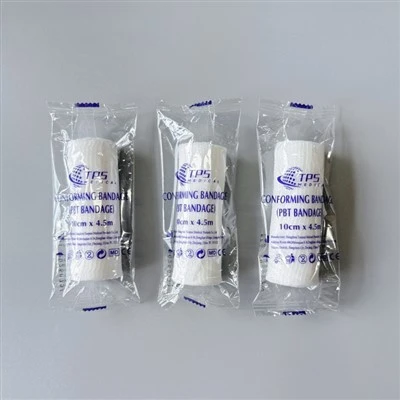
First off, let’s talk about why the adhesive on bandages matters. Bandages are designed to cover wounds, stop bleeding, and prevent infection. If the adhesive isn’t working properly, the bandage won’t stay in place, and it can expose the wound to dirt and bacteria. So, making sure the adhesive is in good condition is super important.
Now, let’s get into the nitty – gritty of checking the adhesive. The first thing you can do is a visual inspection. Take a look at the bandage. If it’s been stored in a hot and humid environment, there might be signs of degradation. The adhesive might look dried out or discolored. If it has a yellowish or brownish tint instead of its original clear or white color, that’s a red flag. Also, check for any signs of cracking or flaking on the adhesive surface. This can indicate that the adhesive has lost its elasticity and won’t stick well.
Another easy way is to gently feel the adhesive. Run your finger over it. A good adhesive should feel slightly tacky. If it feels dry, hard, or like it has a powdery texture, it’s likely not in good shape. You can also try to peel back a small corner of the bandage from its backing. If it comes off with ease and the adhesive doesn’t seem to grab onto your finger or the backing, that’s a sign that its stickiness has diminished.
You can also do a simple adhesion test. Before you use the bandage in an actual emergency, find a small area on your skin, like the inside of your wrist. It’s a good place because the skin there is relatively sensitive. Press the bandage gently onto that area for a few seconds, and then try to peel it off slowly. If it stays firmly in place and only comes off with a bit of resistance, the adhesive is probably still good. But if it slides off easily or doesn’t stick at all, you might want to replace the bandage.
Storage conditions play a huge role in the lifespan of the adhesive on bandages. Bandages should be stored in a cool, dry place. Heat and moisture are the enemies of adhesive. If you store your IFAK in a hot car trunk or a damp basement, the adhesive can break down much faster. High temperatures can make the adhesive melt or become too soft, and then it won’t be able to form a proper bond. Humidity can cause the adhesive to absorb moisture, which can also lead to a loss of stickiness.
Let’s talk about shelf life. Most bandages come with an expiration date. This is an important indicator of when the adhesive might start to degrade. However, it’s not set in stone. Just because the expiration date has passed doesn’t mean the bandage is completely useless. The expiration date is more of a guideline based on ideal storage conditions. If you’ve stored your IFAK properly, the adhesive might still be good even after the expiration date. On the other hand, if the storage conditions have been poor, the adhesive could go bad well before the expiration date.
When it comes to different types of adhesives, there can be some differences in how they age. For example, some bandages use a latex – based adhesive, while others use a synthetic adhesive. Latex – based adhesives can be more sensitive to environmental factors like heat and humidity. They tend to dry out and lose their stickiness faster. Synthetic adhesives, on the other hand, can be more durable and resistant to degradation. So, if you’re looking for bandages with a longer – lasting adhesive, you might want to consider ones with synthetic adhesives.
Now, let’s say you find that the adhesive on some of the bandages in your IFAK is no good. What should you do? Well, you have a couple of options. You can replace just the bandages that have bad adhesive. Most IFAKs are modular, which means you can easily swap out individual components. This is a cost – effective way to keep your IFAK in good condition. Or, if a large number of bandages are affected, you might want to consider getting a new IFAK altogether.
As an IFAK supplier, I know how important it is to have reliable bandages in your first – aid kit. Whether you’re an outdoor enthusiast, a military personnel, or just someone who wants to be prepared for emergencies at home, having bandages with good adhesives can make a big difference.
So, if you’re looking for high – quality IFAKs with bandages that have long – lasting adhesives, I can help. I’ve spent years sourcing the best products to ensure that my customers get the most reliable first – aid solutions. I work closely with manufacturers to make sure that the bandages in my IFAKs are top – notch. If you’re interested in learning more about our products or want to discuss your specific needs, don’t hesitate to reach out. We can have a chat about what would work best for you, and I’m happy to answer any questions you might have.
Medical Bandages References:
- General knowledge of first – aid products and adhesive technology accumulated through years of experience in the IFAK supply industry.
- Discussions with bandage manufacturers regarding adhesive properties and shelf life.
Hangzhou Tuopusi Medical Products Co., Ltd.
As one of the most professional individual first aid kit (ifak) manufacturers and suppliers in China, we offer a wide range of products with superior quality. Please feel free to wholesale bulk customized individual first aid kit (ifak) at competitive price from our factory. Also, free sample is available.
Address:
E-mail: sales@tpsmedic.com
WebSite: https://www.medressing.com/
