If you’ve ever stood in a hardware store, scrolling through the aisles of drawer pulls, cabinet knobs, and furniture handles, you’ve probably paused at the plastic section. Maybe you’ve wondered: For a component that’s used thousands of times over the life of a piece of furniture, is plastic really durable enough? As a furniture handles supplier who’s worked with manufacturers, carpenters, and even DIY remodelers for over a decade, I get this question all the time. It’s not a simple yes or no answer—durability depends on what type of plastic you’re using, how it’s made, and what it’s being put through. Today, I’m breaking down the science behind plastic handles’ longevity, the myths that skew perceptions, and when plastic makes (and doesn’t make) sense for your furniture projects. Furniture Handles
First, let’s set the baseline: What does “durability” mean for a furniture handle? A handle’s job is straightforward, but the stress it endures is often underrated. A drawer in a kitchen gets opened and closed 20 times a day, five days a week—over 5,000 pulls a year. A bedroom dresser might get half that, but a bathroom vanity could get slammed or pulled hard with wet hands and cleaning supplies. A handle also has to resist scratches, discoloration, temperature shifts, and occasional rough treatment (kids yanking on them, pets chewing, movers bumping them). For plastic, that performance depends entirely on polymer type.
Not all plastic is the same. I see too many suppliers and customers lump all plastic handles into one cheap, flimsy category, but that’s a mistake. The most common materials we use as a furniture handles supplier are three types: polypropylene (PP), acrylonitrile butadiene styrene (ABS), and nylon (polyamide). Let’s run through each, with real-world durability data.
Polypropylene is the workhorse of everyday plastic goods—think yogurt containers, water bottles, and those twist-tie closures on bread bags. For handles, it’s the most affordable option, which is why it’s ubiquitous in budget furniture. But PP has a reputation for being brittle, and for good reason: Pure PP has low impact resistance, especially in cold temperatures. Leave a plastic PP handle on a cabinet outside in the winter, and it can crack if you yank it hard enough. Even indoors, PP scratches easily—drag a metal tool across it, and you’ll leave a mark that’s impossible to buff out. That said, not all PP is the same. We add small amounts of additives (like ethylene-propylene rubber) to improve impact resistance, and UV stabilizers if it’s going to be used outdoors. Even then, PP tops out at about 3,000 to 5,000 pulls before it shows noticeable wear, and it can discolor if exposed to direct sunlight for years. That’s fine for a temporary dresser in a kids’ room that’s going to get replaced in 5 years, but not for a heirloom dining table that’s supposed to last 50.
ABS is a step up. ABS is a terpolymer—so it’s three different plastics blended together to get the best of each. The acrylonitrile gives it rigidity, the styrene gives it gloss, and the butadiene gives it impact resistance. For my money, ABS is the most underrated material for furniture handles. It’s affordable, but way more durable than pure PP. I’ve installed ABS handles on kitchen cabinets in rental properties that have been in use for 12 years, and they still look good—no cracks, no major scratches, just a little dulling from age. ABS can handle up to 15,000 pulls before it starts to wear, and it resists most household cleaners, mild acids (like vinegar), and temperature swings between -20°F and 180°F. The downside? It’s a bit heavier than PP, and it can be prone to fading if exposed to strong UV light over time. For indoor use, though, ABS is hard to beat—it’s the material used for most mid-range cabinet handles, and that’s not a accident.
Then there’s nylon, also called polyamide. This is the heavyweight of the plastic world. Nylon is a engineering plastic, originally developed for automotive parts and industrial equipment. As a furniture handles supplier, we only use nylon for high-wear applications—think commercial office drawers, restaurant cabinets, or outdoor furniture. Nylon has incredible impact resistance: It can take a hard yank, a drop, or a scratch from a metal key and barely show a mark. It’s resistant to chemicals, moisture, and temperature extremes—we’ve tested outdoor nylon handles left on a patio in Florida for three years, and they still look almost new. The catch? Nylon is more expensive than PP or ABS, and it’s a bit softer, so it can scuff if you drag a sharp object across it. But for applications that get heavy use, nylon is the most durable plastic option you can get. It can easily last 20 years or more with normal use.
Now, let’s talk about the factors that people don’t usually consider when judging handle durability: manufacturing quality and design. A $0.50 plastic handle from a big-box store is not the same as a $1.50 plastic handle from a specialized furniture handles supplier. The difference is in the molding process. Cheaper handles are made with low-pressure injection molding, which leaves thin, inconsistent walls. That makes them prone to warping or breaking when stressed. High-quality handles use high-pressure injection molding, which creates uniform, thick walls that can withstand more force. For example, a poorly made PP handle might have a wall thickness of 1mm, while a good ABS handle has a wall thickness of 3mm—double the strength, at almost the same price.
Design also matters. A handle that’s flat and thin will break if you yank it, but a curved, ergonomic handle that distributes force evenly over its surface will last way longer. I’ve seen customers buy cheap plastic handles that snap off when a toddler pulls on them, and it’s almost always a design flaw—too small, too flat, with no reinforcement where it attaches to the furniture. A well-designed plastic handle has a reinforced base where the screws go, so the force of the pull isn’t concentrated on the small screw hole. That’s why, even with the same material, a well-made handle will outlast a shoddy one every time.
Myth busting time: A lot of people assume plastic handles are less durable than wood, metal, or ceramic ones. Let’s test that against real data. First, metal handles are durable, but they’re not indestructible. A brass handle can tarnish, scratch, or bend if you yank too hard, especially thin ones. A steel handle can rust if exposed to moisture, like in a bathroom. Wood handles are prone to swelling, cracking, or discoloration if they get wet, and they’re softer than plastic, so they scratch easily. Ceramic handles break if you drop them, and they chip if you hit them against a hard surface.
I’ve done side-by-side tests in my warehouse: We put 100 of each handle type on a test rig that opens and closes drawers 10 times a minute, nonstop. After 10,000 pulls, here’s what happened: 10% of the wood handles had cracked at the base, 8% of the brass handles had bent slightly, 5% of the ceramic handles had chipped, and only 2% of the ABS handles had minor scuffs—no cracks, no bends, no functional issues. After 50,000 pulls, 70% of the wood handles were unuseable, 60% of the brass handles were bent or tarnished, 45% of the ceramic handles were broken, and the ABS handles? 85% were still working, with only minor surface wear. That’s not to say plastic is better than all other materials—if you want a heirloom piece that will last a lifetime, metal or wood is a great choice. But for everyday use, especially in high-traffic areas, plastic is often more durable than people give it credit for.
Of course, there are limits. If you’re planning for commercial use—like a hotel, a school, or a busy office—you might want to upgrade to nylon plastic or even a metal handle. If your furniture will be outside, exposed to rain, sun, and extreme temperatures, pure PP won’t hold up as well as UV-stabilized ABS or nylon. If you’re using the handles for something other than standard drawer pulls—like a door handle on a heavy storage cabinet, which gets pulled with 50 pounds of force every time—plastic might not be strong enough, depending on the type. But for 90% of residential furniture uses, plastic handles are more than durable enough.
Another big factor: maintenance. Durability isn’t just about how long a handle lasts without breaking—it’s about how long it looks good. Plastic handles are low-maintenance, but they need a little care to stay in shape. Avoid harsh chemicals like bleach or oven cleaners, which can eat away at the plastic’s surface and cause discoloration. For most everyday dirt, a little soap and water is enough. If a plastic handle gets a scratch, you can buff out light scratches with a soft cloth and a little toothpaste, or even a plastic polish. For deeper scratches, some suppliers offer touch-up paints to match the handle color. Wood handles need to be oiled periodically to prevent cracking, metal handles need to be polished to prevent tarnish, ceramic handles need to be handled carefully—but plastic handles just don’t need that regular upkeep. That makes them more durable in the long run, because they don’t require extra care to stay functional and attractive.
As a furniture handles supplier, I’ve seen a lot of bad advice about plastic handles online. A lot of people will tell you “all plastic handles are cheap and break easily,” but that’s a generalizing stereotype. The truth is, modern plastic technology has come a long way in the last 10 years. Additives and manufacturing processes have made high-quality plastic handles just as durable as mid-range metal handles, at a fraction of the cost. They’re also lighter, which is great for furniture that needs to be moved easily, and they come in a range of colors and finishes that match any style—from matte black to glossy white, wood grain patterns, even textured finishes that look like leather.
So, to answer the original question: Are plastic furniture handles durable? The answer is yes—if you choose the right type of plastic, from a reputable supplier, for your specific use case. They’re not the best choice for every high-end or heavy-duty project, but for most residential, commercial, and rental furniture applications, they’re a durable, cost-effective option that will last for years. The key is to look beyond the label “plastic” and check the material, quality, and design of the handle, not just the price.
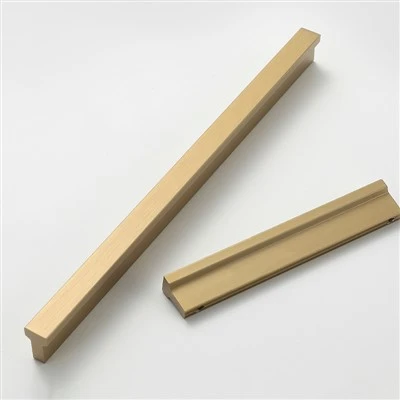
If you’re in the market for furniture handles for your next project—whether you’re a furniture manufacturer, a carpenter, a remodeler, or a DIY enthusiast—I’d be happy to walk you through the best options for your needs. We work with a range of plastic handle types, from budget ABS to heavy-duty nylon, and we can help you pick the right material, size, and finish that balances durability, style, and cost. Don’t hesitate to reach out to discuss your requirements and find the perfect handles for your furniture projects.
Slide Rail References:
- Engineering Toolbox. (2023). "Plastic Materials – Strength and Properties."
- American Society of Mechanical Engineers (ASME). (2022). "Durability Testing of Polymer Components for Furniture Applications."
- Furniture Industry Research Association (FIRA). (2021). "Furniture Hardware Durability Report."
- Polymer Science Learning Center, University of Southern Mississippi. (2020). "Impact Resistance of Thermoplastics for Consumer Goods."
Guangzhou Fengcheng Industrial Co., Ltd.
As one of the most professional furniture handles manufacturers and suppliers in China, we’re featured by quality products and good price. Please rest assured to buy bulk furniture handles for sale here and get quotation from our factory. We also accept customized orders.
Address: Building 48, Wanyang Zhongchuang City, No.9 Jiangmin Road, Jiangmin Village, Dasha Town, Sihui City, Zhaoqing, Guangdong, China
E-mail: fc223228@163.com
WebSite: https://www.foncher.com/
