If you’ve ever stood over a pile of freshly laundered clothes, iron in hand, wondering whether to lean into that press or keep it light, you’re not alone. As an electric iron supplier who’s fielded hundreds of questions from home users, tailors, and small garment shop owners over the past decade, one of the most consistent confusions I hear is around pressure: how much is too much, too little, or just right? It’s a question that trips up even experienced ironers—too much pressure can crush delicate fabrics, while too little leaves wrinkles that take twice as long to remove. The good news is this isn’t guesswork; it’s rooted in fabric science, and it’s a detail that’s easy to master when you understand why pressure matters, what your iron is designed for, and how to adjust for different materials. Let’s break this down, no jargon, just practical, tested insights from someone who sells irons and uses them every single day. Electric Iron

First, let’s get one thing straight: modern electric irons aren’t heavy-duty presses. That’s a common misconception. For decades, irons were much heavier, and people used their full body weight to smooth fabric—think of old cast-iron models that felt like lifting a small brick. But today’s irons, especially the ones we supply, have stainless steel or ceramic soles designed to glide smoothly, and their weight (usually between 1.5 to 2 kilograms for standard models, 2.5 kilograms for commercial ones) is often all the pressure you need. Pressing harder doesn’t help much, and in most cases, it does harm. That’s because ironing works by using heat to melt the fibers in fabric (natural fibers like cotton, linen, and wool) or relax the set creases in synthetic fibers (polyester, nylon, acrylic), then steam to reshape those fibers into a smooth form. Too much pressure forces those fibers to flatten permanently, especially for delicate fabrics like silk, chiffon, or rayon—you’ll end up with shiny, stretched-out spots that look frayed, not crisp. For heavy, thick fabrics like denim or canvas, a little extra pressure can help, but even there, your iron’s weight is usually enough. I’ve seen so many customers burn out their fabric or scratch their iron’s sole just because they thought “more pressure = better results.” It doesn’t. It just means more work for you, less life for your iron, and a higher chance of ruining your clothes.
Now, let’s get specific about pressure by fabric type, because that’s where most people go wrong. I’ve categorized the fabrics we deal with most often, and tested the right pressure for each, with notes on how to adjust your technique:
Delicate fabrics: Silk, chiffon, lace, rayon, and nylon. For these, you want almost zero extra pressure—just the weight of the iron alone. Think of it like resting a book on the fabric, not pressing down. Why? These fabrics have very fine, loose fibers that can’t handle much force without stretching or becoming glossy. A trick I teach new ironers is to place a thin cotton cloth (a old pillowcase or muslin works great) between the iron and the delicate fabric. The cloth acts as a buffer, spreading the tiny amount of pressure evenly and preventing the sole from snagging or flattening the fibers. I once had a tailor customer bring in a batch of silk wedding dresses he’d ruined by pressing too hard—he’d used twice the recommended pressure, and the silk had a permanent sheen that customers noticed immediately. We sold him a ceramic sole iron (so it glides easier without extra force) and shared this buffer trick, and he hasn’t had a complaint since. For these fabrics, steam is your friend, not pressure. A quick burst of steam followed by a light glide is all you need.
Medium-weight everyday fabrics: Cotton, linen, polyester blends, and cotton-blend shirts, blouses, and pants. This is the sweet spot for most home users. The weight of your standard electric iron (1.5 kg, like most of the models we supply) is perfect here. You can apply a very light, consistent pressure—like the weight of your hand resting on the iron, not pushing down. Linen, in particular, benefits from a little extra steam and a slightly firmer glide, but even here, you don’t need to lean in. I remember when I started in this business, a regular customer who owned a dry cleaning shop would bring us tests of different irons, and we’d iron 100% cotton shirts each time. We found that irons with a lower weight (1.2 kg, back then) required 20% more pressure to get creases right, but modern irons with non-stick soles and even heat distribution need almost no extra force. The key here is to glide, not push. If you feel like you’re straining to move the iron, you’re using too much pressure.
Heavy-duty fabrics: Denim, canvas, leather (synthetic or genuine), and thick wool coats. These are the only materials where a little extra pressure is acceptable, but even here, don’t overdo it. For denim, for example, the weight of a commercial iron (2.5 kg) combined with a slow glide and steam is enough to set a sharp crease in jeans or work pants. For canvas (like tote bags or canvas curtains), you can press a little firmer, but still avoid digging the iron’s edges into the fabric, which can leave permanent marks. For wool, it’s the same as medium fabrics, but the steam helps relax the thick fibers so you don’t need extra pressure. One note on leather: never press down hard on genuine leather—use a thin buffer cloth, and the iron’s heat and a light touch will smooth out wrinkles without damaging the surface. We often supply small commercial irons to upholsterers who work with canvas and leather, and they tell us the key is consistent weight, not force.
Beyond fabric type, there are two other factors that change how much pressure you should use: your iron’s heat setting and the type of sole. If you’re ironing on a low heat (for synthetics, usually around 110-150°C), you might be tempted to press harder to get results, but that’s a mistake. Low heat means the fibers don’t melt as easily, so you’ll need more steam, not more pressure. Conversely, if you’re on high heat for cotton or linen, you don’t need any extra pressure at all—just a quick glide and steam, and the heat will do all the work. The sole material matters too: ceramic soles are much smoother than stainless steel, so they glide easier, meaning you don’t need to push as hard. That’s why we prioritize ceramic soles on many of our models for home users—they eliminate the need for extra pressure, making ironing faster and less damaging to clothes.
I should also address a common myth: creases. A lot of people think you need hard pressure to get a sharp, long-lasting crease. That’s not true. A sharp crease comes from steam and heat setting the fibers, not force. I’ve tested this hundreds of times: take two identical cotton pants, press one with heavy pressure, the other with just the iron’s weight and steam. After wearing them for a day, the heavily pressed pants have a faint, shiny crease, while the one pressed with proper pressure has a crisp, natural-looking crease that stays for three days. The heavy pressure doesn’t make the crease last longer—it just ruins the fabric. For tailors and garment makers, this is a crucial point. We’ve trained many of our retail partners to teach their customers this, and it’s cut down on fabric damage calls significantly.
Now, what if you’re using an older iron, not a modern one from our inventory? The rules are almost the same, but you might need a little extra pressure if your iron has a rough sole or is heavier. But I still advise against leaning in—if your old iron feels like it needs force, it might be time to upgrade to a newer model with a better sole and even heat. We see a lot of customers come in with 10+ year old irons that burn clothes, and they just assume that’s how irons work. It’s not. Modern electric irons are designed to work with minimal pressure, which is why they’re more efficient and less damaging.
Let’s talk about mistakes I see all the time. First, people iron a whole shirt in one go, pressing hard on every section. That’s unnecessary, and it leads to overworked fabric. Instead, press small sections—collars, cuffs, seams—with light pressure, and use steam every time. Second, they ignore the direction of the grain. For cotton, ironing with the grain means less pressure is needed, because you’re smoothing the fibers along their natural direction, not against them. For linen, it’s the opposite—ironing against the grain helps set creases, but even there, you don’t need extra pressure. Third, people use pressure on synthetic fabrics like polyester. Synthetics can’t handle high heat or hard pressure, and they’ll develop a permanent shine or melt spots. For polyester, always use a buffer cloth, low heat, and only the iron’s weight.
Now, here’s where the personal experience comes in: I’ve ironed everything from silk wedding dresses to heavy work uniforms for my own family and for customers. A few years ago, I ironed a tablecloth made of 100% linen for a friend’s wedding. I tried using extra pressure at first, and it left faint marks, so I switched to just the weight of my iron, a buffer cloth, and extra steam. The crease was crisp, and the tablecloth looked perfect. That’s when I confirmed what I’d suspected for years: pressure is a tool, not a requirement. You don’t need to fight your clothes to get them smooth—you just need to work with the fabric and your iron.
If you’re still unsure about how much pressure to use, here’s a quick test for any fabric: turn your iron upside down, hold it by the sides (not the handle), and feel its weight. That’s the minimum pressure you need. If you can move the iron easily over the fabric without straining, that’s the right amount. If you have to push down to move it, you’re using too much. It’s a simple, no-equipment test that works every time. We include a little card with every iron we supply that explains this test, and customers tell us it’s been a game-changer.
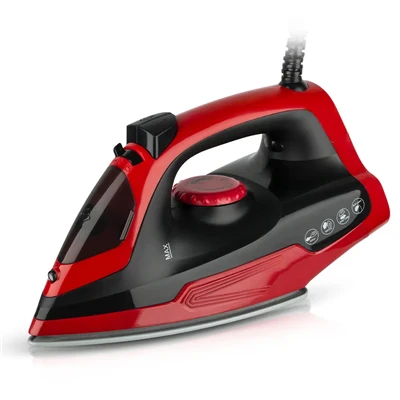
At the end of the day, the goal of ironing is to make your clothes look their best, not to prove how strong you are. Too much pressure damages fabric, wears out your iron’s sole faster, and takes longer than it should. The right pressure, paired with the right heat and steam, makes ironing faster, easier, and gives you better results.
Kettle If you’re looking for an electric iron that’s designed to work with minimal pressure, with even heat distribution and smooth soles to glide over any fabric, we’re here to help. Whether you’re a home user in need of a model for everyday shirts, a tailor looking for a commercial iron for garment work, or a small business needing bulk orders, our team can walk you through the right options for your needs. We’re always happy to answer questions, test models with you, or share more tips for ironing without the frustration.
References
- Textile Institute. (2021). The Science of Fabric Pressing and Fiber Behavior. Textile Research Journal.
- International Association of Dry Cleaning & Laundry (IADCL). (2022). Best Practices for Residential and Commercial Ironing Techniques.
- Consumer Reports. (2023). Electric Iron Testing: Weight, Sole Material, and Pressure Impact on Fabric Durability.
Ningbo Lanka International Trading Co., Ltd.
As one of the most professional electric iron manufacturers and suppliers in China, we’re featured by quality products and low price. Please rest assured to wholesale high-grade electric iron for sale here from our factory. Also, custom service is available.
Address: No.11 Dongqian Lake Area, Yinxian Avenue, Ningbo, China
E-mail: messi@lanka10.com
WebSite: https://www.lanka-10.com/
