Hey folks, if you’ve ever held a grinding wheel in your hands—whether you were sharpening a lawnmower blade, shaping metal for a DIY project, or even grinding down a rusty bolt—you might’ve wondered, “What makes this thing actually work?” As a calcined alumina supplier, I get asked this question all the time. Most people think grinding wheels are just pieces of rough rock glued together, but there’s a whole science behind it, and calcined alumina is the unsung hero holding it all (and doing the heavy lifting) behind the scenes. Let me break this down like we’re chatting over coffee, no stuffy engineering jargon—promise. Calcined Alumina

First, let’s get one thing straight: grinding wheels aren’t monolithic. They’re composites—think of them as a “matrix” (that’s the gluey stuff, usually resin, ceramic, or rubber) mixed with abrasive grains. Those grains are the part that does the cutting, right? You’d be surprised how many abrasive options there are—silicon carbide, cubic boron nitride, even diamond—but calcined alumina is the workhorse for most general-purpose grinding applications, and for good reason. Let’s start with what calcined alumina actually is, because a lot of folks mix it up with other alumina types, like the smelter-grade stuff used for aluminum cans.
Calcined alumina starts as aluminum hydroxide, the same basic stuff you might know from antacids or water purification. When you heat that hydroxide up to super high temps—around 1,200 to 1,500°C (that’s like, way hotter than your oven can go, even the self-clean cycle)—it loses all its water content and transforms into a hard, crystalline form of alumina. That calcination step is key here. It’s not just heating it for show; that process shapes the alumina’s properties to be perfect for grinding. Unlike raw alumina, which is soft and crumbly, calcined alumina has a super high hardness (around 9 on the Mohs scale—for reference, steel is like 5.5, glass is 7, so that’s tough) and extreme heat resistance. Why does that matter? Because when you’re grinding, the friction between the wheel and the workpiece generates insane heat—we’re talking hundreds, even thousands of degrees in tiny contact zones. If the abrasive grains weren’t heat-resistant, they’d soften, blunt, and stop cutting way before the wheel’s supposed to. That’s exactly why calcined alumina beats out cheaper alternatives for most everyday grinding jobs.
Wait, but let’s get specific about its role, because it’s not just “hard stuff that cuts.” Let’s split it into three main jobs: grain sharpness and self-sharpening, thermal stability, and compatibility with the wheel’s matrix.
First up: self-sharpening. This is a big one. When a grinding wheel is in use, the abrasive grains don’t stay sharp forever. They wear down, develop flat spots, and instead of cutting, they just rub and burn the workpiece. But here’s the thing about calcined alumina grains—they break in a very controlled way. It’s called “friability,” which is just a fancy word for how easily something fractures. Calcined alumina is engineered to be moderately friable, not too brittle, not too tough. When a grain gets blunt from use, the next bit of pressure from grinding makes it split along its natural crystal lines, exposing a brand new, sharp cutting edge. No one has to stop and dress the wheel every five minutes (dressing is the process of truing up the wheel to fix blunt grains)—that self-sharpening from calcined alumina saves tons of time and money for manufacturers and DIYers alike. Compare that to, say, a solid diamond grain—diamonds are way less friable, so when they blunt, they don’t break, you have to actually grind off the whole wheel surface to fix it, which is a hassle for general work.
Next, thermal stability. I mentioned the heat from grinding earlier. Let’s put that in perspective: when you grind a piece of carbon steel, the contact between the wheel and metal can reach temps high enough to discolor the steel—turn it blue or even ruin its temper (that’s the hardness that makes tools like chisels work). Calcined alumina’s high melting point (around 2,072°C) means it doesn’t melt or deform when that heat hits it. Other abrasives, like regular aluminum oxide, would soften at lower temps and start smearing, which not only ruins the workpiece but also clogs up the wheel’s pores (that’s the tiny gaps between grains that let debris escape). Calcined alumina stays hard, so it keeps cutting cleanly without gumming up. Some of our industrial customers grind stainless steel all day, every day, and they swear by calcined alumina because their wheels last 30% longer and the parts come out with zero heat damage.
Then there’s compatibility with the matrix. The matrix is the glue that holds all those calcined alumina grains in place. If the grains and glue don’t stick well, the whole thing falls apart—you’d have a wheel that spews abrasive grains after 5 minutes of use. But calcined alumina has a surface that’s just rough enough (we control that during calcination by adjusting temp and time) so that resin or ceramic binders can bond to it really well. We tweak the calcination process to give the alumina a specific surface texture—not too smooth, not too pitted—so the matrix grips tight, but not so tight that the grains won’t self-sharpen. It’s a balancing act, and that’s why calcined alumina is such a staple for wheel manufacturers. They don’t have to reinvent the wheel (pun totally intended) every time; they know calcined alumina will work with almost any binder they use.
Wait, but let’s not act like it’s the only abrasive out there—there are specialized uses where other materials make sense. For example, grinding super hard materials like carbide, diamond abrasive is better, and for really soft, non-ferrous metals like aluminum, silicon carbide works great. But calcined alumina is the go-to for 80% of grinding applications, from sharpening knives to grinding cast iron parts for cars to shaping stainless steel for medical devices. The reason it’s so versatile is that we can adjust its properties to fit different needs. Want a wheel for fast, rough grinding (like removing welds)? We can make calcined alumina coarser, more friable, so it breaks fast and cuts aggressively. Want a wheel for fine finishing (like grinding a tool bit to a sharp edge)? We can make the alumina grain smaller, less friable, so it stays sharp longer and leaves a smoother surface.
I’ve heard a lot of people say, “Why not just use raw alumina? It’s cheaper.” Let’s be real—raw alumina might be cheaper upfront, but it’s not durable. It breaks too fast, melts too easily, and the wheel wears out in half the time. Our calcined alumina is processed to have consistent crystal structure, so every grain is the same. No random weak spots that cause grains to fall out prematurely. That consistency is huge for manufacturers—they need their grinding wheels to perform the same way every time, so their production lines don’t have slowdowns from bad wheels.
Another thing I don’t talk about enough: calcined alumina helps with wheel porosity. When you mix the grains and binder, you leave tiny gaps (porosity) so that grinding swarf (the metal shavings and dust) can get out. If the wheel was solid, the swarf would get trapped, clog the pores, and the wheel would stop cutting. Calcined alumina’s particle shape—we can make it angular or slightly rounded depending on the job—affects how the pores form. Angular grains create more open pores, which is perfect for rough grinding where swarf is a big problem. Rounded grains make tighter pores, better for fine finishing where you want a smooth surface. That level of control is why wheel manufacturers love partnering with suppliers like us—we don’t just sell a powder; we sell a material they can tailor to their specific wheel formula.
Let me throw in a quick real-world example. Last year, a small machine shop I work with was having trouble with their grinding wheels burning their steel shafts. They were using a local alumina that was too soft, and the wheels wore out in 2 days. We suggested our high-temperature calcined alumina, and they switched. Now their wheels last 10 days, the shafts don’t have that blue heat discoloration, and their scrap rate dropped by 20%. That’s the impact calcined alumina has—it’s not just a material; it’s a cost-saver, a quality improver, a time-saver.
Now, let’s clear up a common misconception: some people mix up calcined alumina with tabular alumina, which is another type of processed alumina. Tabular alumina is even more heat-resistant, used for high-temperature refractories, not grinding wheels. Calcined alumina is the sweet spot for grinding—hard enough, friable enough, affordable enough. We’re not overengineering it; we’re engineering it exactly for the job.
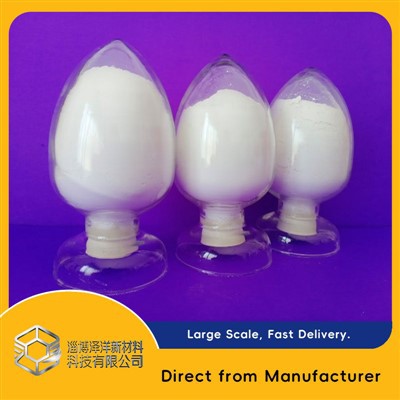
So, to wrap this up, the role of calcined alumina in grinding wheels is threefold: it’s the cutting agent that’s hard enough to tackle metal, it self-sharpens to keep the wheel working efficiently, and it plays nice with the wheel’s binder to make the whole thing durable and consistent. Without calcined alumina, grinding wheels would be less effective, wear out faster, and cost more to use. It’s the backbone of most general-purpose grinding, the reason you can sharpen your knife at home without a fancy industrial setup, the reason factories can turn out parts reliably every day.
Pseudo Boehmite If you’re a grinding wheel manufacturer, a machine shop owner, or someone who uses grinding wheels regularly and wants to up your game—we’re the calcined alumina supplier you need. We don’t just dump powder in a bag; we work with you to adjust our calcination process so our alumina fits your specific wheel requirements, whether you’re making rough grinding discs for construction or fine finishing wheels for aerospace parts. No generic products, no runaround, just material that does the job right. If you want to chat about your grinding challenges, or test a sample of our calcined alumina, reach out. We’re here to help.
References
- Tönshoff, H. K., et al. (1997). Abrasive Grinding Technology. CIRP Annals – Manufacturing Technology, 46(2), 561-575.
- Miller, S. A. (2005). Alumina-Based Abrasives for Precision Grinding. Journal of Materials Processing Technology, 167(2-3), 345-352.
- International Organization for Standardization (ISO). (2018). ISO 525: Bonded Abrasive Products – General Requirements and Test Methods.
- Zeigler, G. J. (2012). Grinding Wheels: Materials, Design, and Performance. ASME Press.
Shandong Leipu New Material Technology Co., Ltd.
With abundant experience, we are one of the most professional calcined alumina manufacturers and suppliers in China. Please feel free to buy high quality calcined alumina for sale here and get quotation from our factory. For price consultation, contact us.
Address: Advanced Ceramic Industry Innovation Park, No.125, Liuquan Road, High-tech Zone, Zibo City, Shandong Province
E-mail: 2330389088@qq.com
WebSite: https://www.sdleipu.com/
