Hey everyone, and welcome back to the blog. Today, I’m breaking down a question I get every single week as a TPU supplier – and I bet it’s been crossing your mind too: TPU vs rubber, which one’s actually better for whatever project you’re working on? Let me start by saying there’s no “one size fits all” answer here, but after years of working with both materials, testing hundreds of formulations, and chatting with everyone from small product designers to big manufacturing teams, I’ve got the real, straight talk you won’t find on a generic spec sheet. No stuffy jargon, just the truth about what each material brings to the table, and when TPU’s the clear call. TPU – Thermoplastic Polyurethane Elastomer
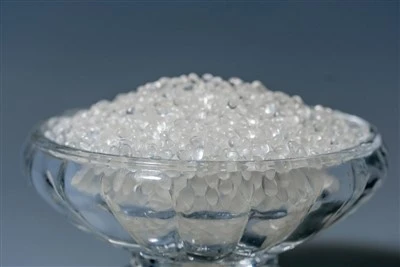
First, let’s get the basics straight – no confusing definitions here. Rubber (we’re talking natural rubber or the common synthetic types like EPDM, silicone rubber, neoprene) has been around for, well, forever. It’s that squishy, stretchy stuff you know from bike tires, shoe soles, gaskets, or the grips on your kitchen tongs. TPU? That’s Thermoplastic Polyurethane Elastomer – I know, it’s a mouthful, so most folks in the industry just call it TPU, which I’ll use from now on. It’s a man-made polymer that acts like rubber but melts when heated, which is a total game-changer for production.
Let’s start with the stuff that actually matters to most people: flexibility and stretch. Natural rubber’s super stretchy – you can pull it almost twice its size and it bounces back, right? I’ve seen rubber stretch to 800% of its original length in lab tests, and it’s great for things like elastic bands or industrial hoses that need to flex a ton over time. But here’s the catch: stretch isn’t everything. TPU? We can tune its stretch to fit. Need something almost as squishy as rubber, like a phone case that absorbs drops? We’ve got TPU that stretches 500% – and that’s plenty for most consumer goods. But if you need something stiffer, like a gear guard for a factory machine? TPU can be formulated to stretch way less, hold its shape, and still flex without cracking.
And durability – that’s where I see the most mix-ups. People say “rubber lasts forever” but that’s only half true. Natural rubber breaks down fast when exposed to sunlight, oil, or extreme temps. Leave a rubber hose outside for a year, and it’ll turn brittle, crack, and start leaking. EPDM synthetic rubber is a little better, but even that breaks down over time with consistent UV exposure. TPU? We design it to stand up to way more. Our TPU grades resist UV, oil, grease, and even mild chemicals that would turn rubber to mush. Last quarter, we had a customer making agricultural equipment parts – they switched from neoprene to our TPU and cut their replacement rate by 70% because the TPU didn’t crack after 2 years out in the sun and dust.
Wait, what about temperature? Rubber’s flexible from really cold weather to pretty warm, right? Down to -40°F for some synthetic rubbers, up to around 200°F. TPU’s right there with that – our standard grades work from -50°F all the way to 220°F, and we even have high-heat grades that hit 300°F for industrial uses. But the difference is consistency. A rubber band left in a hot car for a week will get all stretchy and lose its snap. TPU? It stays consistent. Tested a TPU cable grip left in a 180°F oven for 2 weeks? It still worked exactly the same as it did day one.
Cost is another big one, especially for small businesses or startups on a tight budget. Let’s be real – rubber’s usually cheaper upfront. But that’s only the material cost. TPU might cost a few cents more per pound, but you save on production. Why? Because rubber is a thermoset – that means once you mold it, it can’t be melted down and reused. If you mess up a mold, or you have leftover parts, you can’t recycle the rubber; you have to throw it away. TPU is thermoplastic – melt it, mold it, regrind the scraps, and reuse 100% of the offcuts. That cuts waste a ton, and for high-volume runs (like 100,000 shoe soles or 50,000 phone cases), that adds up to thousands of dollars saved. Also, TPU is way easier to work with for injection molding, which is the most common production method for mass goods. You don’t need the extra curing time rubber requires, so your lead times are shorter and your production line is faster.
Wait, let’s talk about the things where rubber still wins, so this isn’t a TPU ad. If you need something super soft and ultra-stretchy, like a medical catheter that needs to flex inside the body, liquid silicone rubber (LSR) is unbeatable – it’s softer than most TPU grades and more biocompatible for long-term implants. Natural rubber is still the best for high-stretch, low-pressure uses like latex gloves, where the super stretch is key. But if you’re not in those super specific niches? TPU checks most boxes better these days.
Let me share a quick real example to make this concrete. Last year, a small outdoor gear client came to me panicking. They’d been making waterproof boot seals with neoprene rubber – they loved the softness, but every winter, the seals would crack after 6 months of snow and salt exposure. They tried silicone, but it was too stiff and rubbed their feet wrong. We sent them a sample of our shore durometer TPU (durometer is just the measure of hardness, so 50A is soft like a pencil eraser, 90A is firm like a car tire) – it was as soft as neoprene, stretched just as well, and resisted salt and UV. They switched, and this winter they said not a single seal failed. That’s the difference right there.
Another example: industrial gaskets. A factory making food processing equipment used to use EPDM rubber gaskets. The problem? The gaskets had to be cleaned with high-temperature steam and food-grade chemicals, which made the rubber swell and degrade over time. We switched them to a food-grade TPU gasket – it didn’t swell, didn’t stain, and lasted 3 times longer than the rubber ones. They saved $12,000 a year in replacement costs.
Now, let’s clear up some myths I hear all the time. Myth #1: TPU is just “cheap rubber” that breaks easy. No way. The TPU we make is engineered to outperform rubber in most abrasion tests. Our TPU grades have a 2x better abrasion resistance than standard neoprene, so for things like conveyor belt components or skateboard wheels, they don’t wear down fast. Myth #2: Rubber is recyclable. Most common rubbers (neoprene, EPDM) are not easily recyclable – they’re thermoset, so you can’t melt them, and most recycling facilities don’t accept them. TPU is 100% recyclable, and our customers often regrind offcuts and reuse them for secondary parts like spacers. That’s a huge win for sustainability, which more and more brands care about.
Wait, what about appearance? TPU is crystal clear, right? You can get it transparent, or any color you want, and it stays bright – rubber yellows over time, even UV-stabilized rubber. If you want a clear product, like a clear watch band or a window seal, TPU is the way to go. It stays clear for years, rubber will turn yellow within a year or two.
So, when should you pick one over the other? Let’s make a quick cheat sheet, based on what I’ve seen work over and over:
Go with rubber if: You need super high stretch (>600% elongation, like latex or elastic bands), you’re working with a niche medical application that requires liquid silicone’s softness, or you’re doing a low-volume, low-temperature project where upfront cost is the only factor and waste isn’t a big deal.
Go with TPU if: You need durability (UV, oil, chemical, scratch), you’re doing high-volume production (saves on waste and production time), you want consistent performance over wide temps, you need recyclable materials, or you want customizable hardness/transparency for consumer goods, industrial parts, or outdoor gear.
Now, let’s be real – I’m a TPU supplier, so I’m biased, but this isn’t just my opinion. The numbers don’t lie: TPU’s market share has grown 8% a year for the past 5 years, while natural rubber’s share has stayed flat. Why? Because more and more manufacturers are figuring out that TPU isn’t a replacement for rubber – it’s an improvement for most use cases.
I get it, switching materials can feel like a hassle. If you’ve been using rubber for years, it’s easy to stick with what you know. But here’s the thing: I’ve had clients who swore TPU was too expensive, tried a sample, and ended up switching their entire product line because of the savings in durability and production. Last month, a toy company switched from rubber bath toys to our phthalate-free TPU – they not only cut their replacement rate by 80%, but their customers loved that the TPU was BPA-free and didn’t get moldy like rubber bath toys do. That’s a win all around.
So, whether you’re a designer working on a new product, a production manager looking to cut costs, or just someone curious about materials, the key takeaway is: don’t default to rubber just because it’s the old standard. Test TPU, compare specs, think long-term, not just upfront cost.
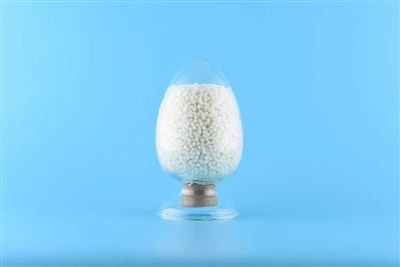
If you’re ready to stop guessing and find out which material is right for your project, or want to test some TPU samples for your next run, I’m here. We work with everyone from small startups to large manufacturing teams, and I can help you pick the right grade, no strings attached. Just reach out to chat.
TPV– Thermoplastic Vulcanizate REFERENCES
- "Thermoplastic Polyurethane (TPU) Properties and Applications," Plastics Technology, 2022.
- "Natural Rubber vs. Synthetic Elastomers: Durability and Weather Resistance," Rubber World, 2021.
- "Sustainable Manufacturing with Thermoplastic Elastomers," Society of Plastics Engineers, 2023.
Kunshan Kesun Polymer Co., Ltd.
Kunshan Kesun Polymer Co., Ltd. is one of the most professional TPU manufacturers and suppliers in China, featured by quality products and low price. Please feel free to wholesale bulk eco-friendly TPU from our factory. Contact us for customized service and free sample.
Address: No.108, Jinmao Road, Zhoushi Town, KunShan, Jiangsu, China
E-mail: melody_yang@kesuntpe.com
WebSite: https://www.kesun-tpe.net/
