If you’ve ever sat behind the handlebars of a high-torque 72V e-bike, feeling the instant surge of power when you twist the throttle or the smooth, sustained support for steep mountain climbs and long highway commutes, you know this isn’t your standard neighborhood commuter e-bike. 72V systems are built for performance—for riders who use their bikes for backcountry exploration, heavy cargo hauling, or fast, reliable commutes that don’t want to stop mid-route. But if you’re in the market for a 72V e-bike battery, one of the first questions you’ll ask is, “How much does this thing actually cost?” As a supplier that’s focused exclusively on 72V e-bike batteries for over six years, I’ve fielded this question hundreds of times, and the answer isn’t a simple flat number. It depends on what you need the battery to do, what materials it’s made from, and the quality of components that will keep it running for thousands of miles, not just a few months. 72v Ebike Battery
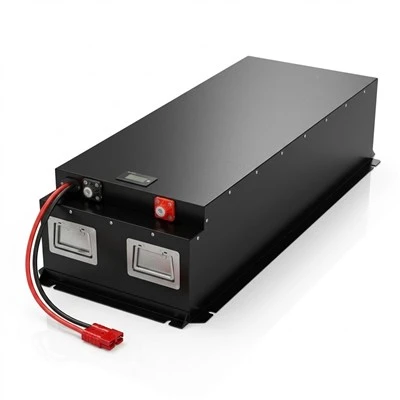
Let’s start with the basics: 72V e-bike batteries aren’t one-size-fits-all. A battery’s core job is to store and deliver consistent power to your motor, and the two biggest factors that drive cost are capacity (measured in amp-hours, or Ah) and the cell technology it uses. The cell is the heart of the battery—cut corners here, and you’ll end up with a battery that dies mid-ride, poses fire risks, or needs replacement way sooner than it should.
Most quality 72V e-bike batteries use lithium-ion cells, and these fall into two main categories: lithium iron phosphate (LiFePO4, or LFP) cells and ternary lithium cells (like NMC or cobalt-based cells). LiFePO4 cells are heavier for the same capacity, but they’re far safer, last much longer (often 2,000 to 5,000 charge cycles before they drop to 80% of their original capacity, versus 1,000 to 2,000 for ternary cells), and handle deep discharges really well—meaning you can ride your bike almost completely down to empty without damaging the battery. Ternary cells are lighter and deliver a bit more power in short bursts, but they’re less durable and can be more prone to thermal runaway if damaged or misused. For most riders, especially those using their 72V e-bikes for heavy use, LFP is the better long-term investment, and that shows up in the price.
Capacity is the next big piece of the puzzle. A 72V battery can range from 10Ah to 60Ah, and sometimes even higher for specialty cargo or off-road bikes. Let’s break down price ranges based on these two factors, using current 2024 market rates and our own data as a direct supplier:
If you’re looking for a budget 72V battery for a lighter, entry-level performance e-bike, you’ll typically see 10Ah to 20Ah LFP batteries priced between $400 and $700. These are good for casual riders who only do 20 to 40 miles per charge, but keep in mind that many of these use lower-grade “cylindrical” cells from unknown manufacturers, or skimp on the battery management system (BMS)—the small but critical part that regulates power flow, prevents overcharging, and stops the battery from overheating. A cheap BMS is often the first thing to fail, and replacing it can cost almost as much as the battery itself. That’s why we don’t carry these budget options; we’d rather send a battery that works for years than one that becomes a hassle for our customers.
For the mid-range, which is the sweet spot for most 72V e-bike users, you’re looking at 30Ah to 45Ah LFP batteries with high-quality cells and a reliable BMS. These cost between $850 and $1,500. Let’s put that in real terms: a 40Ah 72V battery in this range will give you 80 to 120 miles per charge, perfect for daily commutes, weekend trail rides, or light cargo hauling. The cells here are from reputable brands like Samsung or CATL, and the BMS is rated to handle not just normal use, but the sudden power surges that come from accelerating hard or climbing steep hills. We sell a lot of these mid-range batteries to small e-bike dealers and individual riders who want performance without breaking the bank, and we stand by the fact that these will last you 5 to 7 years with regular care.
Then there’s the high-end, for riders who need maximum range, durability, or custom performance. These are 50Ah to 60Ah LFP batteries, or even larger custom packs, priced from $1,700 to $2,800. A 60Ah 72V battery will get you 120 to 180 miles per charge, which is ideal for cross-country e-bike trips, heavy cargo bikes that haul 500+ pounds, or off-road bikes that pull high-power motors. These use top-tier cells, often have IP67 water and dust resistance (meaning you can ride through heavy rain or deep mud without worrying about damage), and come with extended warranties of 3 to 5 years. We work with a lot of professional e-bike builders and expedition riders on these custom packs, since they’re built to exact specifications instead of standard sizes.
Now, here’s the part most battery shoppers don’t talk about: the hidden costs of choosing a cheap battery, that make the initial price look like a bargain at first, but end up costing you more in the long run. Last year, we had a customer come to us because he bought a $350 72V battery from a random online marketplace for his off-road e-bike. It died after only 3 months, and when he tried to get it replaced, the seller had disappeared. He ended up spending more on a quality replacement than he would have if he’d bought ours in the first place. Another common hidden cost is performance: a low-quality battery might deliver a peak power that’s less than advertised, so your e-bike never feels as fast or responsive as it should, which is a big letdown when you bought a high-performance 72V model.
As a supplier, we also have to factor in the volume of orders when we quote prices. If you’re an individual rider buying one battery, your price will be a bit higher than a small e-bike dealer buying 10 or 20 at a time, which makes sense—wholesale pricing is always better for bulk orders. If you’re building e-bikes for resale, we can custom-design batteries to fit your frame, match your motor’s power requirements, and offer flexible payment terms that work for small to medium-sized businesses. That’s something a lot of big online retailers can’t do; they only sell pre-made batteries, with no room for customization.
Another thing that affects cost is what’s included with the battery. All our 72V batteries come with a smart charger that’s designed specifically for that pack, so you don’t have to guess which charger to use (using the wrong charger can damage the battery or cause safety issues). We also include mounting hardware, a 1-year standard warranty, and 24/7 technical support—something you won’t get from a cheap no-name battery seller.
Let’s talk about what you should prioritize over the base price of a 72V e-bike battery. First, cell quality: always ask where the cells are made. If a seller can’t give you a brand name, it’s probably a low-grade cell that will fail early. Second, the BMS: make sure it’s rated for at least 100A for 72V systems, because lower-rated BMS can’t handle the power draw from high-performance motors, leading to overheating or failure. Third, warranty: a good battery warranty should cover defects for at least 2 years, and guarantee that the battery won’t drop below 80% capacity for at least 3 years. If a battery only comes with a 6-month warranty, that’s a red flag.
We’ve seen a lot of trends in the 72V e-bike battery market over the last few years. More riders are switching from ternary cells to LFP, because even though they’re a bit heavier, the safety and longevity make them worth the extra cost. Demand for higher capacity batteries has gone up too, as more people use 72V e-bikes for cargo and long-distance travel. That’s why we’ve invested in expanding our LFP battery line over the last two years, instead of carrying mixed cell types.
If you’re trying to figure out exactly how much you should spend on a 72V e-bike battery, start with your use case. If you’re a casual commuter who only rides 30 miles a day, a 25Ah mid-range battery around $600 to $800 will work perfectly. If you’re a weekend adventurer who rides 50+ miles per trip, a 40Ah mid-range battery for $1,100 is a solid choice. If you’re a builder or professional rider who needs maximum range, the high-end 60Ah packs are worth every penny.
I can’t stress enough that buying a 72V e-bike battery isn’t just about getting the lowest price. It’s about getting a battery that will keep you safe, keep you riding, and last for years, so you don’t have to spend money on replacements every couple of years. A cheap battery might save you $200 upfront, but if it dies in a year, you’ll end up spending twice that to replace it.

If you’re ready to get a personalized quote for a 72V e-bike battery, whether you’re an individual rider, a small dealer, or a custom e-bike builder, we’re here to help. We can tailor a battery to fit your specific e-bike, your riding needs, and your budget, with transparent pricing and no hidden fees. Reach out to our team to discuss your requirements and get more details on our current models and bulk pricing options.
Other Battery References:
- Electric Drive Transportation Association. (2023). Lithium-ion Battery Performance and Safety Standards for Two-Wheel EVs.
- Battery University. (2024). Lifespan and Cycle Life Comparison of LiFePO4 vs. Ternary Lithium Cells.
- National Highway Traffic Safety Administration. (2023). Consumer Guide to E-Bike Battery Purchases and Maintenance.
General Electronics Technology Co., Ltd.
General Electronics Technology Co., Ltd. is one of the most professional 72v ebike battery manufacturers and suppliers in China, featured by quality products and good price. Please rest assured to buy 72v ebike battery made in China here and get pricelist from our factory. Also, customized service and OEM&ODM service are available.
Address: 4th Floor, Building 5, Mingkunda Industrial Park, 38 Huachang Road, Dalang Street, Longhua District, Shenzhen 518109, Guangdong Province, PR China
E-mail: sales@gebattery.co
WebSite: https://www.gebbattery.com/
