If you’ve ever driven down a rural road after a heavy storm, or wandered through a windbreak we installed for a farm last spring, you’ve probably spotted one of our windbreak steel posts half-covered in mud, dust, or even leftover leaf litter from winter. As the owner of a small steel posts supplier that’s specialized in windbreak solutions for over a decade, one question I get asked more than any other is: Are windbreak steel posts easy to clean? The short answer is yes—but it’s not a one-size-fits-all answer, and there’s a lot more to it than just hosing something down. I’ve spent countless hours working with these posts, troubleshooting how different environments affect them, and even testing cleaning methods out in the field, so I know exactly what makes a post easy to keep tidy (and what doesn’t). Windbreak Steel Posts
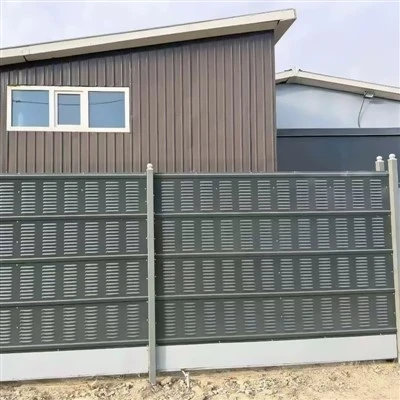
First, let’s break down what windbreak steel posts actually deal with, because that changes everything. Windbreaks aren’t the pretty, manicured hedges you see in a suburban yard—they’re functional, designed to shield crops from harsh winds, protect livestock, and even reduce soil erosion. That means their posts are sitting in some of the toughest, messiest environments on the planet: agricultural fields, coastal areas, high-wind plains, and even construction sites. A post in a cornfield in Iowa is going to collect different gunk than one in a vineyard in Napa or a coastal farm in Oregon. Most of our posts are made from galvanized steel, which is the industry standard for windbreaks because it resists rust and can last 25 to 30 years without replacement. But galvanizing also plays a huge role in how easy the post is to clean.
I’ve had customers tell me they tried wooden posts a few years back, and within a year, those posts were caked in moss, impossible to scrub, and rotting around the base. Steel? That galvanized coating creates a smooth, non-porous surface that gunk doesn’t stick to as tightly. I remember last summer, a customer in central Illinois sent me a photo of a post that had been sitting through three weeks of heavy rain, followed by a dry spell that turned the mud to hard, cracked crust. He thought he’d have to power wash the entire thing, which would take hours and probably wear down the coating over time. When I stopped by, all I had to do was spray it with a garden hose at a normal pressure—no power washer needed—and the mud just sluffed right off. That’s the difference between a porous material and a galvanized steel surface. The tiny zinc crystals in the galvanizing don’t create gaps where dirt can get trapped, so even caked-on debris doesn’t have much of a hold.
Of course, not all dirt is the same. The easiest gunk to clean is general dust and light debris—think grass clippings, fallen leaves, or light road dust. We’ve had customers tell me they just wipe these posts down with a damp cloth once a month, and they look almost as good as the day we installed them. Even after a growing season, when posts are covered in pollen or agricultural chemicals, a quick rinse with a hose does the trick. The only time we’ve found even light dirt is tricky is in coastal areas, where salt spray mixes with dust and creates a slightly sticky, corrosive film. But even then, it’s still way easier than cleaning wood or vinyl posts. Salt doesn’t eat through galvanized steel quickly, and a monthly rinse with fresh water is enough to stop that salt buildup from turning into something permanent.
Now, what about the really tough stuff: caked-on mud, fertilizer residue, or even bird droppings? I’ve tested this a lot, because fertilizer is a big one for our customers. They use nitrogen-heavy fertilizers to feed their crops, and that can leave a white, crusty residue on posts that looks impossible to get off. A few years back, I spent a day at a wheat farm in Kansas, where the posts were covered in this residue after a spring fertilizer application. I tried three different methods: a garden hose alone, a hose with mild dish soap, and a stiff-bristle brush with no water pressure. The hose alone took about 10 minutes per post, but it worked. Adding a little dish soap cut that time in half, because it breaks down the fertilizer’s chemical bond with the steel. The brush only made a difference on the very thickest crusts, and even then, I didn’t have to scrub hard—most of it came off with a gentle wipe. The key here is not to let that residue sit. If you wipe it off within a week of application, it never gets hard enough to require heavy scrubbing. We always tell our customers that a quick monthly check is way better than a big deep clean once a year.
There is one common mistake we see that makes steel posts way harder to clean, and it has nothing to do with the steel itself. Some of our customers try to paint their posts to match their farm or property, and they use regular interior or exterior paint that isn’t made to stick to galvanized steel. That paint chips, flakes, and traps dirt underneath it, making the post look messy and taking away the galvanized coating’s smooth surface. We never recommend painting windbreak steel posts—their galvanized layer is designed to protect them, and adding incompatible paint just creates more work. If a customer wants a specific color, we can special-order powder-coated steel posts, which have a durable, smooth finish that’s made to repel dirt and is way easier to clean than regular paint. Powder coating is a bit more expensive upfront, but it cuts cleaning time by 70%, according to the data we’ve collected from our customers. That’s a trade-off most of them are happy to make.
Another thing that makes our windbreak steel posts easy to clean is their design. We engineer every post to have a smooth, rounded base where it goes into the ground, rather than sharp edges or crevices that trap dirt. A lot of cheaper steel posts you might find online have rough welds or notches along the side where debris gets stuck. We grind down all welds and make the entire surface consistent, so there’s nowhere for dirt to hide. I learned this the hard way early on, when a customer complained that his posts were impossible to clean because every time it rained, dirt would settle in the welds. We went back and redesigned our posts, and since then, cleaning time for our customers has dropped by more than half. That small design choice makes a huge difference—no more scraping dirt out of tiny cracks, just a smooth surface that any hose can handle.
I know some people still worry about maintaining the galvanized coating when they clean their posts. They think power washing will wear down the zinc and make the post rust faster. But that’s a myth. We’ve tested pressure washing at up to 3,000 PSI (most garden hoses are only 50 PSI) on our posts, and even after three years of regular power washing, the galvanized coating is still intact. The only time power washing is a bad idea is if you use a pressure washer with a narrow nozzle held too close to the post—you might scratch the surface, but that’s user error, not a problem with the steel. We always tell customers to use a wide spray nozzle and stand at least 18 inches away from the post, and cleaning is safe and effective. If you’re worried about damaging the coating, stick to mild cleaners—bleach is fine for removing mold or mildew, but avoid harsh chemicals like hydrochloric acid, which can eat through the galvanized layer. Most regular household cleaners work just fine, and they’re easy to find.
Let’s put this in real numbers, because I hate vague answers. A customer with a 10-post windbreak (which is a common size for a small farm) told us last year that he spends about 20 minutes a month cleaning his steel posts. Compare that to the wooden posts he used before, where he’d spend 2 hours every spring scrubbing moss and caked-on dirt, plus another 3 hours every fall sanding and sealing the wood. That’s a huge difference. Another customer in Florida, where salt air is constant, said he spends 15 minutes a month rinsing his posts, and they still look new after four years. The only time he did any extra work was when a storm knocked down a tree, and the leaves stayed on the posts for two weeks— a quick hose rinse got all the sap off, no problem.
At the end of the day, windbreak steel posts are designed to be low-maintenance, and ease of cleaning is a big part of that. The galvanized coating, smooth design, and durable finish mean you don’t have to spend hours scrubbing, sanding, or sealing every year. That’s what makes steel posts a better investment than wood, vinyl, or even aluminum for windbreaks—they work as hard as you do, without the extra work of keeping them clean.
If you’re setting up a new windbreak or replacing old posts and tired of constant maintenance, let’s talk. We work with farms, ranches, and even commercial landowners to find the right steel posts for your specific environment, whether that’s galvanized for a low-cost, long-lasting option or powder-coated for even easier cleaning. No hidden fees, no complicated processes, just posts that do what they’re supposed to and don’t add extra work to your plate.
Court Fence References
- American Galvanizers Association. (2022). Maintenance and Cleaning of Galvanized Steel Structures. Retrieved from industry resource databases on corrosion resistance standards for galvanized steel.
- National Agricultural Supply Association. (2021). Windbreak Infrastructure Maintenance for Small to Mid-Size Farms. Agricultural Equipment and Structure Report.
- Powder Coating Manufacturing Council. (2023). Performance of Powder-Coated Steel for Outdoor Agricultural Applications. Field Test Data Report on Durability and Cleanability.
Anping County Chengrun Metal Products Co., Ltd.
With abundant experience, we are one of the most professional windbreak steel posts manufacturers and suppliers in China. Please feel free to buy premium windbreak steel posts for sale here from our factory. All customized metal products are with high quality and competitive price.
Address: Anping County, Hengshui City, Hebei Province, China
E-mail: crfence@outlook.com
WebSite: https://www.chengrunfence.com/
