If you’ve ever stood on the production floor of a fresh juice plant, watching a filling machine that feels more like a bottleneck than a workhorse, you know how frustrating it is. I’ve been supplying, servicing, and troubleshooting juice filling machines for over 18 years, and I can’t count how many times I’ve heard operators say, “This line should be cranking out 1,200 bottles an hour, not 850.” The gap between a machine’s rated capacity and its real-world output doesn’t have to be a mystery or a permanent headache. Today, I’m pulling back the curtain on the practical, science-backed steps we walk plant teams through every day to optimize juice filling machine operation—steps that don’t require tossing out your entire line or blowing your maintenance budget. Juice Filling Machine

Let’s start with the most fundamental (and most overlooked) part of the process: pre-operation checks tailored to juice, not just generic filling. Juice is a tricky product—it’s acidic, has natural pulp that settles fast, and reacts to temperature swings way more than water or soda. Too many operators skip the 15-minute pre-run tune-up to rush into production, and that’s where the first big hit to efficiency happens. I once worked with a small craft juice maker in Oregon that was losing 30 gallons of cold-pressed apple juice a day to spillage and incomplete fills, all because they were running their machine with a filling nozzle calibrated for whole orange juice instead of strained juice. For strained juice, the nozzle’s exit diameter and flow rate need to match the pulp size—too wide, and you get froth that causes overflow; too narrow, and you get slow fills that force the line to pause. Our team trains clients to test a 100ml sample of their exact juice batch before every run, adjust the nozzle and flow control valves to deliver that sample in 2.5 to 3 seconds for 500ml bottles, and add a quick pulse of air to break surface tension right before the valve closes. That small tweak cut that Oregon plant’s spillage by 92% in the first week, no new parts required.
Next, we talk about machine calibration— not the one-and-done calibration that happens after installation, but the ongoing, shift-level calibration that most plants skip. Filling machines drift over time, even if they look like they’re working fine. Wear and tear on valve seals, a slightly off-balance conveyor, or even inconsistent voltage can add up to 5% to 10% of product lost or misfilled every shift. The key here is to use in-process verification that’s faster than pulling 20 bottles off the line every hour to measure volume (a practice that wastes both time and product). For most of our mid-range and industrial filling machines, we integrate a simple touchscreen feature that logs fill volume for every 10 bottles, with an alert if the volume drifts more than 2ml over or under the target. But even for plants with older, non-integrated machines, we share a cheap, easy trick: keep a clear, marked 500ml container right next to the machine’s exit, and have the line operator take a 10-second sample of every batch’s first and last 5 bottles each shift. That one small check catches a drift in the pump’s pressure, a worn valve seat, or a conveyor misalignment before it turns into a full day of misfilled product. I had another client in Texas that was running their line at 90% of capacity for six months because their pressure pump was calibrated 8 psi too high; once they adjusted it to match their juice’s viscosity, they hit their rated output within 48 hours.
Then there’s pump maintenance, which is arguably the single biggest driver of filling machine uptime. Most operators treat their juice filling machine’s pump like a set-it-and-forget-it part, but centrifugal pumps (the most common for juice lines) rely on consistent impeller clearance to deliver steady flow. When that clearance is off by even 0.5mm, the pump loses efficiency, starts vibrating, and eventually clogs or seizes. For juice, the problem is compounded by pulp and natural sediment that can build up in the pump housing if not flushed properly. Our standard recommendation is a daily flush after production: run the pump with warm, clean water mixed with a small amount of food-grade citric acid (to cut through juice residue) for 5 minutes, and check the impeller clearance once a month. We also tell clients to replace pump seals every 3,000 operating hours, not when they start leaking. A leaking seal doesn’t just waste product—it can introduce bacteria into the juice, leading to downtime for deep cleaning and potential batch recalls. I’ve seen plants delay seal replacement to save $200, only to lose $12,000 in a single spoiled batch of organic cold-pressed juice—those savings are never worth it.
Now, let’s talk about line integration, because a filling machine is only as good as the equipment around it. So many plants treat their filling machine as a standalone unit, but bottlenecks happen before and after filling every time. Let’s take conveyor speed, for example: if your filling machine runs at 1,200 bottles an hour, but your capping machine only handles 950 bottles an hour, that extra 250 bottles an hour will back up the line, force the filling machine to pause, and create gaps in the production flow that lead to more spills. The fix here is to sync conveyor speeds and machine timing in real time, not just set them once at installation. For example, when the filling machine’s valve is open to fill a bottle, the next bottle in line should be positioned exactly 15cm away from the nozzle—too close, and you get collision damage; too far, and the machine has to wait, slowing everything down. We use a simple timing adjustment with a stopwatch and a few practice runs: have one operator start the line, and another time how long it takes for the bottle to move from the pick-up point to the nozzle, then adjust the conveyor’s drive gear to match the filling cycle time. For plants that run multiple bottle sizes, this adjustment takes 2 minutes per size, and it can add 10 to 15% to overall line output.
Another line integration pain point for juice is froth management. Natural juice froth isn’t just annoying—it can make the filling machine’s level sensors misread, leading to underfilled or overfilled bottles, and it can also clog the capper’s threads later in the process. The solution here isn’t to add expensive anti-foam chemicals (which can alter juice taste, a big no-no for premium brands). We train clients to adjust the filling machine’s foam suppression settings: most modern machines have a “slow fill ramp” feature that fills 70% of the bottle at full speed, then slows to a trickle for the remaining 30% to let froth settle before the valve closes. We also recommend adding a small air knife right after the filling station, which blows a gentle stream of air across the bottle’s neck to clear excess froth before it reaches the capper. This simple tweak cut froth-related downtime by 40% for a plant in Michigan that makes cold-pressed kale and ginger juice—no chemical additives, no new equipment, just adjusting a setting that most operators never knew existed.
One area that a lot of new plant owners ignore (but we see all the time) is operator training. It doesn’t matter how good your filling machine is if the person running it doesn’t know how to spot small issues before they become big problems. A few years ago, we had a client that was going through a new operator every 3 months, because they quit after dealing with frequent machine jams. When we shadowed the operators for a day, we realized no one had taught them how to listen for the high-pitched whine that signals a worn pump bearing, or how to check the nozzle for tiny bits of pulp that get stuck and cause uneven fills. We worked with their HR team to create a 2-hour, hands-on training module specifically for juice filling machine operation, not generic industrial equipment: it covered pre-run checks, simple calibration tweaks, how to spot common issues like clogged nozzles or misaligned conveyors, and even basic troubleshooting for small jams. Within six months, operator turnover for that role dropped by 75%, and their line efficiency went up 18%. A skilled operator is the best optimization tool you can have—no new machine required.
Finally, let’s talk about proactive maintenance, not reactive repairs. The biggest mistake we see plant teams make is waiting for the machine to break before calling us. Reactive repairs cost 2 to 3 times more than proactive maintenance, and they lead to unplanned downtime that can derail order deadlines. We recommend a quarterly maintenance checklist for juice filling machines: inspect and clean all valves, nozzles, and pumps; tighten all conveyor and mounting bolts; calibrate level sensors; and test emergency stop buttons and safety guards. We also offer remote diagnostic checks for all our clients, where we can connect to the machine’s control system from our office to spot minor issues like a drifting sensor or a slightly off pump pressure, before they cause downtime. Last year, we caught a faulty seal on a client’s pump via remote check before it started leaking, saving them an estimated $8,000 in product loss and a full day of production.
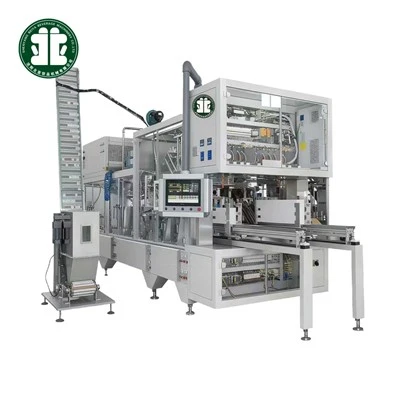
At the end of the day, optimizing a juice filling machine isn’t about buying the latest, most expensive model or doing a total line overhaul. It’s about paying attention to the unique properties of juice, doing small, consistent checks, training your team, and integrating every part of the line. If you’re a plant owner or operations manager looking to boost your line’s efficiency, reduce waste, and cut down on downtime, we can help you walk through these steps for your specific machine and production needs. To discuss your current operation, ask about our optimized maintenance packages, or learn more about upgrading your line without breaking the budget, feel free to reach out. We work with small craft juice makers and large commercial producers alike, and our goal is to help your juice machine work as hard as your team does.
Beverage Filling Machine References
- Food and Agriculture Organization of the United Nations. (2021). Processing and packaging of fruit and vegetable juices. FAO Agricultural and Food Engineering Technical Report Series.
- American Society of Mechanical Engineers. (2020). Recommended practices for industrial filling equipment maintenance and operation. ASME B20.1 Safety Standard for Conveyors and Related Equipment, Supplement on Filling Machinery.
- Institute of Food Technologists. (2019). Viscosity and surface tension considerations for cold-pressed juice filling operations. Journal of Food Process Engineering, 42(5), e13127.
- Packaging Machinery Manufacturers Institute. (2022). Operational optimization guidelines for liquid filling lines. PMMI Industry Best Practices Report.
Shenyang Beiya Beverage Machinery Co., Ltd.
With abundant experience, we are one of the most professional juice filling machine manufacturers and suppliers in China. If you’re going to buy customized juice filling machine made in China, welcome to get quotation from our factory. For price consultation, contact us.
Address: No. 2-1, Tongling Street, Yuhong District, Shenyang City, Liaoning Province, China
E-mail: market@sybeiya.com
WebSite: https://www.chinafilling.com/
