In the realm of metalworking and manufacturing, blanking machines play a pivotal role in shaping raw materials into precise, usable components. As a seasoned supplier of blanking machines, I’ve witnessed firsthand the diverse needs of our customers and the importance of choosing the right equipment for the job. One of the most common questions we encounter is the difference between single – action and double – action blanking machines. In this blog, I’ll delve into the technical details, operational characteristics, and practical applications of these two types of machines to help you make an informed decision. Blanking Machine
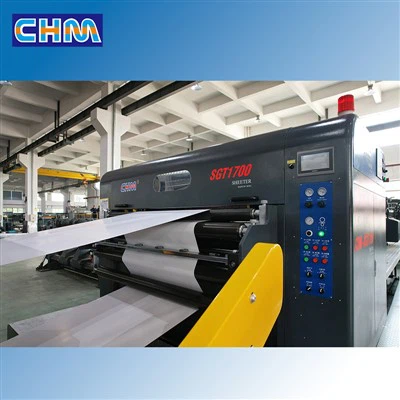
Understanding the Basics of Blanking Machines
Before we explore the differences between single – action and double – action blanking machines, let’s first understand the fundamental concept of blanking. Blanking is a metalworking process in which a punch and die are used to cut a flat, often round or rectangular, piece of material, known as a blank, from a larger sheet or coil of metal. This process is widely used in industries such as automotive, aerospace, electronics, and consumer goods to produce a variety of parts, including washers, gears, brackets, and electrical connectors.
Single – Action Blanking Machines
A single – action blanking machine is characterized by its relatively simple operation. In a single – action machine, the punch moves in one direction only, typically downward, to perform the cutting operation. The die is fixed in place, and the material is fed into the machine between the punch and the die. When the machine is activated, the punch descends with a single stroke, applying force to the material and cutting out the blank.
Operational Advantages
- Simplicity: Single – action blanking machines are relatively easy to operate and maintain. Their straightforward design means that there are fewer moving parts, reducing the likelihood of mechanical failure. This simplicity also makes them more accessible for operators with less technical training.
- Cost – Effectiveness: Due to their simpler design and fewer components, single – action blanking machines are generally more affordable than double – action machines. This makes them an attractive option for small to medium – sized businesses or those with budget constraints.
- High – Speed Operation: Single – action machines are capable of high – speed blanking, making them suitable for mass production of simple parts. The single – stroke operation allows for rapid cycling, increasing productivity and reducing production time.
Limitations
- Limited Forming Capabilities: Single – action machines are primarily designed for straight – cutting operations. They are less suitable for applications that require complex forming or deep drawing, as the single – direction movement of the punch restricts the range of shapes that can be produced.
- Material Thickness and Quality: The performance of single – action machines can be affected by the thickness and quality of the material being processed. Thicker or harder materials may require more force to cut, which can put additional stress on the machine and potentially lead to premature wear of the punch and die.
Double – Action Blanking Machines
In contrast to single – action machines, double – action blanking machines feature two independent motions: the outer slide (or blankholder) moves first to clamp the material securely, followed by the inner slide (or punch) which descends to perform the cutting operation. This two – stage motion provides greater control over the blanking process.
Operational Advantages
- Enhanced Forming Capabilities: Double – action machines are particularly well – suited for complex forming operations, such as deep drawing. By clamping the material firmly with the blankholder before cutting, the machine can prevent wrinkling and distortion, allowing for the production of parts with more intricate shapes and better surface finishes.
- Improved Material Utilization: The double – action design allows for better control over the cutting process, which can result in less waste of raw material. This is especially important when working with expensive or scarce materials.
- Better Edge Quality: The clamping action of the blankholder helps to reduce burrs and improve the edge quality of the blanks. This can eliminate the need for secondary finishing operations, saving time and cost in the production process.
Limitations
- Complexity and Cost: Double – action blanking machines are more complex in design and have more moving parts than single – action machines. This complexity results in higher initial purchase costs, as well as increased maintenance and repair requirements.
- Slower Operation: The two – stage motion of double – action machines generally makes them slower than single – action machines in terms of cycle time. This can be a drawback for applications that require high – volume production of simple parts.
Practical Applications
The choice between a single – action and double – action blanking machine depends largely on the specific requirements of the production process.
Single – Action Machine Applications
- Mass Production of Simple Parts: Single – action machines are ideal for the high – volume production of simple blanks, such as washers, rivets, and small electrical contacts. Their high – speed operation and relatively low cost make them a cost – effective solution for these types of applications.
- Low – Complexity Metal Stamping: For applications that involve simple stamping operations, such as embossing or coining, single – action machines can provide sufficient force and precision at a lower cost.
Double – Action Machine Applications
- Automotive and Aerospace Industries: In the automotive and aerospace sectors, where parts often require complex shapes and high – quality finishes, double – action blanking machines are commonly used. Examples include auto body panels, engine components, and aircraft structural parts.
- Precision Metal Fabrication: Double – action machines are well – suited for precision metal fabrication processes, such as the production of medical devices, electronic enclosures, and fine jewelry. The ability to control the material deformation and achieve high – quality edges is crucial in these applications.
Making the Right Choice
When selecting a blanking machine, it’s essential to consider several factors, including the type of parts you need to produce, the volume of production, the material you’ll be working with, and your budget. If you’re producing simple parts in high volumes and cost is a major concern, a single – action blanking machine may be the best choice. On the other hand, if you require complex forming capabilities, high – quality finishes, and better material utilization, a double – action machine is likely to be more suitable.

As a leading supplier of blanking machines, I understand that every customer has unique needs. Our team of experts is dedicated to helping you find the most appropriate machine for your specific requirements. Whether you’re a small startup looking for an affordable solution or a large corporation in need of high – end technology, we have the knowledge and experience to guide you through the selection process.
Energy Saving Air Conditioning If you’re interested in learning more about our single – action and double – action blanking machines, or if you’re ready to discuss your specific needs, I encourage you to reach out to us. We’re here to answer your questions, provide detailed product information, and assist you in making an informed decision. Contact us today to start the conversation about how our blanking machines can enhance your manufacturing processes.
References
- Blake, W. J. (2003). Metal Forming: Processes and Analysis. New York: Marcel Dekker.
- Groover, M. P. (2017). Fundamentals of Modern Manufacturing: Materials, Processes, and Systems. Hoboken, NJ: Wiley.
- Kalpakjian, S., & Schmid, S. R. (2014). Manufacturing Engineering and Technology. Upper Saddle River, NJ: Pearson.
Sheng Ding Group Limited
We’re well-known as one of the leading blanking machine manufacturers and suppliers in China. With abundant experience, we warmly welcome you to buy advanced blanking machine for sale here from our factory. For quotation, contact us now.
Address: FLAT E 16/F SUPERLUCK IND CTR 57 SHA TSUI RD PHASE 2 TSUEN WAN NT
E-mail: chm007@szchm.com
WebSite: https://www.packagmachine.com/
