If you’ve ever dealt with an ankle sprain, post-surgery foot recovery, or even chronic foot swelling from overuse, you know how debilitating that puffiness can be. It’s not just uncomfortable—it slows healing, limits mobility, and adds unnecessary stress to every step you take. As someone who’s worked with foot immobilizers for years, both as a supplier and someone who’s walked (pun very intended) alongside customers navigating recovery, I’ve seen first-hand how a lot of people misuse these tools, which ends up doing more harm than good when it comes to swelling. A foot immobilizer isn’t just a rigid brace to keep your foot “still”—it’s a medical-grade tool designed to support your recovery, and when used correctly, it’s one of the most effective ways to reduce swelling and get back to your daily routine faster. Let’s break this down, from the science of why swelling happens to the exact steps to use an immobilizer for maximum relief, plus common mistakes to skip. Foot Immobilizer
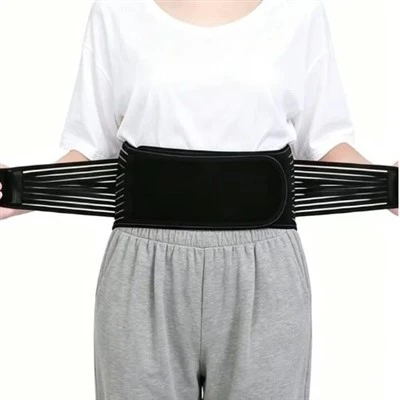
First, let’s get one thing straight: foot swelling after an injury or surgery isn’t just a random side effect. It’s your body’s natural inflammatory response. When you damage soft tissue—think a stretched ligament from a bad fall, or a surgical cut that needs to heal—your body sends extra blood flow and fluid to the area to start repairing itself. That fluid builds up in the soft tissue around your foot and ankle, causing that tight, achy puffiness. The problem? If that fluid gets trapped and doesn’t drain, it can prolong inflammation, lead to stiffness, and even increase your risk of blood clots (a big concern with immobilized limbs). That’s where a properly fitted foot immobilizer comes in. Unlike flimsy Ace bandages that can slip or wrap too tight, a good immobilizer applies consistent, controlled compression that supports lymphatic drainage—the process your body uses to move excess fluid away from your feet and back into your circulatory system. It also keeps your foot aligned correctly, so you’re not putting extra pressure on damaged areas that could make swelling worse.
Now, how do you use an immobilizer to actually reduce swelling? It’s not just slipping it on and leaving it there all day. I’ve had customers tell me they wrap their immobilizer as tight as possible “to keep it stable,” only to end up with numb toes or even more swelling after a few hours. That’s a mistake. Compression is key, but it needs to be the right kind. Let’s walk through the step-by-step process that I recommend to every customer who reaches out to our team, and that’s backed by the sports medicine resources our clinicians reference.
-
Start with a clean, dry foot before putting on your immobilizer. This might seem small, but moisture can get trapped under the brace, leading to irritation and even bacterial growth, which won’t help swelling. If your foot is bruised or has open cuts, a thin, sterile gauze pad works—just don’t wrap it so thick that it messes with the fit of the immobilizer. For mild swelling, you don’t need extra padding; a bare foot (or thin cotton socks, if you prefer) is best for consistent compression.
-
Get the fit right. This is non-negotiable for reducing swelling. An immobilizer that’s too loose won’t provide the controlled compression you need, and one that’s too tight will cut off circulation, which can make swelling worse. How do you check? After fastening the straps, you should be able to slide one finger easily under the top strap of the immobilizer—no more, no less. If you can’t fit a finger, it’s too tight. If you can slide two, it’s too loose. Also, make sure the brace wraps evenly around your foot and ankle, not just around the sides. A lot of people pull the ankle straps tighter and leave the calf straps loose, which creates uneven compression that traps fluid in one spot. Adjust all straps from toe to calf, starting with the ones closest to your foot, to get even pressure.
-
Pair immobilizer use with elevation—this is the secret most people miss. I can’t tell you how many times a customer will wear their immobilizer all day, sitting at a desk or lying on the couch with their foot flat on the floor, and wonder why their swelling isn’t going down. Elevation is half the battle. To help lymphatic drainage, your foot needs to be above the level of your heart. That means propping it up on two or three pillows when you’re sitting, or using a leg elevation pillow when you’re sleeping. If you’re at work and can’t lie down, prop your foot up on a stack of books or a sturdy box during breaks—even 15 minutes of elevation every hour makes a difference. When you’re wearing your immobilizer, keep elevation in mind: if the brace is too long, it might slip down, but a properly fitted brace will stay in place even when your foot is elevated, supporting the fluid flow as it drains.
-
Use your immobilizer for the right amount of time, not 24/7. It’s tempting to leave your immobilizer on all day and night to keep your foot stable, but wearing it too long can actually weaken your muscles and reduce circulation, which hinders swelling reduction. Most clinical guidelines recommend wearing a foot immobilizer for 4-6 hours at a time, with 1-2 hour breaks in between to gently move your toes (if your injury allows it) and let your foot breathe. For example, if you’re recovering from an ankle sprain, wear the brace for the morning, take it off for an hour to do gentle toe stretches, then put it back on for the afternoon. At night, you can wear a lighter, sleeping version of the immobilizer (which is designed to be softer and less restrictive) to keep your foot aligned while you rest, but if your doctor says you can take it off at night, that’s fine too—always follow your clinician’s guidance, but this general rule works for most mild to moderate injuries.
-
Combine compression with cold therapy for faster results. Swelling loves warmth, so applying ice for 15-20 minutes at a time (wrapped in a thin towel to avoid direct skin contact) while wearing your immobilizer can constrict blood vessels, reduce inflammation, and make the compression from the brace work even better. A lot of people use ice and immobilizers separately, but pairing them is a game-changer. I’ve had a customer last year who sprained her ankle playing soccer, and when she started combining 15-minute ice sessions with proper immobilizer use, her swelling went down 2 full sizes in 3 days—way faster than her doctor initially predicted. Just don’t ice for longer than 20 minutes, because that can damage skin or reduce circulation.
Now, let’s talk about common mistakes that people make that actually make swelling worse, even when they’re using an immobilizer. First, skipping the “finger test” for fit. I had a customer a few months back who told me he wore his immobilizer for a week, but his swelling never went down—turns out he’d wrapped it so tight he couldn’t feel his toes, which meant compression was so extreme it was blocking fluid flow entirely. Second, not adjusting the straps as your swelling changes. Swelling comes and goes throughout the day—for example, it’s usually worse in the evening after a long day on your feet. If you put your immobilizer on tight in the morning, by evening it might be too loose or too tight as your foot swells. Loosening the straps a tiny bit when you feel puffiness building up can keep compression consistent. Third, using a one-size-fits-all immobilizer for different injuries. A immobilizer for post-surgery foot care is different from one for an ankle sprain, because they’re designed for different levels of support and compression. Using the wrong type can lead to misalignment, which makes swelling worse. That’s why it’s so important to choose an immobilizer that’s tailored to your specific recovery needs—something that balances support, compression, and comfort.
Wait, let’s address a common question: can a foot immobilizer cause swelling if used incorrectly? Yes, absolutely. If it’s too tight, it restricts blood flow, leading to more fluid buildup. If it’s too loose, it doesn’t provide the compression needed to drain excess fluid. That’s why as a supplier, we work with customers to help them pick the right size and type of immobilizer, and walk them through the proper steps to use it for swelling reduction. We don’t just send a brace and leave you to figure it out—because we know how easy it is to get it wrong, especially when you’re in pain or stressed about recovery.
Another point: for chronic swelling, like from diabetes or peripheral edema, a foot immobilizer isn’t just for injury recovery. It can also provide gentle, consistent compression to reduce daily puffiness, when used correctly. Just make sure to check with your doctor first, because chronic conditions require customized care.
So, what’s the takeaway here? A foot immobilizer is a powerful tool for reducing swelling, but only if you use it right. It’s not a set-it-and-forget-it device—you need to get the fit right, pair it with elevation, adjust straps as needed, and balance wear time with breaks. Skipping any of these steps will limit how well it works, and might even slow your recovery.

If you’re in the middle of recovery and your swelling isn’t going down as fast as you want, or you’re not sure if your current immobilizer is the right fit, we’re here to help. Whether you’re dealing with an ankle sprain, post-surgery foot healing, or chronic swelling, our team can guide you to the right immobilizer for your needs, and share personalized tips to reduce swelling effectively. Reach out to our team to connect and discuss your requirements for foot immobilizer solutions. We’re here to support your recovery every step of the way.
Knee Immobilizer Series References:
- American Academy of Orthopaedic Surgeons. (2021). Ankle Sprain Recovery Guidelines.
- American College of Sports Medicine. (2020. Compression Therapy for Soft Tissue Injury and Inflammation.
- National Institute of Arthritis and Musculoskeletal and Skin Diseases. (2022. Inflammatory Response to Musculoskeletal Injury.
- Journal of Orthopaedic & Sports Physical Therapy. (2019. Effect of Immobilization on Lymphatic Drainage After Lower Extremity Injury.
Hebei Maidike Medical Equipment Co., Ltd.
Hebei Maidike Medical Equipment Co., Ltd. is one of the most professional foot immobilizer manufacturers and suppliers in China, also supports customized service. We warmly welcome you to wholesale bulk durable foot immobilizer in stock here from our factory. Contact us for free sample.
Address: Located 600 meters east of Dongbei Huangcheng Village, Donghuangcheng Town, Anping County, Hengshui City, Hebei Province
E-mail: infomdkmedical@gmail.com
WebSite: https://www.hebeimdk.com/
