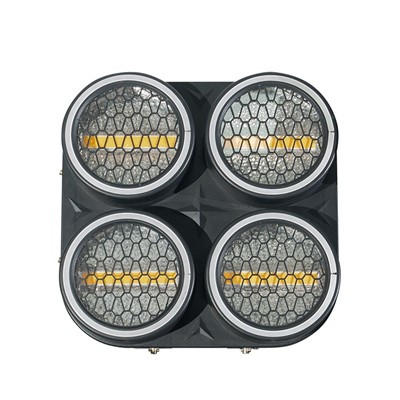
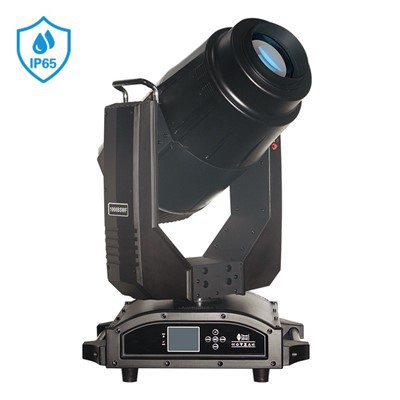
Hey there! I’m a supplier of moving head beam lights, and I’ve been in this game for quite a while. I’ve seen all sorts of large – scale events, from huge music concerts to massive corporate galas, and I know how crucial it is to set up those moving head beam lights properly. So, let me walk you through the process of setting up multiple moving head beam lights for a large – scale event. Moving Head Beam Light
Planning the Layout
First things first, you gotta plan the layout. You can’t just randomly place the lights and expect them to work magic. Start by understanding the venue. Is it an indoor arena, an outdoor festival ground, or a convention center? Each type of venue has its own quirks.
For an indoor arena, you need to take into account the height of the ceiling, the location of the stage, and any obstructions like pillars or balconies. Measure the dimensions of the venue and make a rough sketch. Mark the position of the stage, the seating areas, and any other important spots.
If it’s an outdoor event, things get a bit more complicated. You have to deal with natural light, wind, and uneven ground. You might want to set up the lights on sturdy trusses or scaffolding to make sure they’re stable. Also, consider the direction of the sun, especially if the event is during the day. You don’t want the sunlight to wash out the effect of your beam lights.
Once you have a good idea of the venue, decide on the number of lights you need. It depends on the size of the event and the effect you’re trying to achieve. For a small – to – medium – sized stage in an indoor arena, maybe 10 to 15 lights could do the job. But for a large – scale outdoor festival, you might need 50 or more.
Choosing the Right Lights
Not all moving head beam lights are created equal. There are different types, each with its own features and capabilities. You got your basic LED moving head beam lights, which are energy – efficient and come in a wide range of colors. Then there are the more high – end models with powerful projectors that can create amazing laser – like effects.
When choosing the lights for your event, think about the theme and the mood you want to set. If it’s a rock concert, you might want lights with bright, bold colors and fast – moving effects. For a more elegant corporate event, softer colors and smoother movements would be more appropriate.
Also, consider the beam angle and the intensity of the lights. A narrow – beam light can create a focused, spotlight effect, while a wide – beam light can cover a larger area. Make sure you mix and match different types of lights to create a dynamic and interesting lighting display.
Mounting the Lights
Now, it’s time to mount the lights. This is where things can get a bit tricky, especially if you’re dealing with a large number of lights. You’ll need to use the right mounting equipment, like trusses, brackets, and clamps.
Make sure the trusses are strong enough to support the weight of the lights. If you’re using scaffolding, check that it’s properly assembled and secured. When mounting the lights, follow the manufacturer’s instructions carefully. You don’t want a light to come crashing down during the event!
Space the lights evenly along the trusses or scaffolding. This will help create a balanced lighting effect. You can also adjust the height and angle of the lights to get the best coverage. For example, if you want to create a wash of light over the stage, you might mount the lights at an angle and a higher position.
Wiring and Power Supply
Wiring is another important aspect. You need to make sure all the lights are properly connected and that they have a stable power supply. Use high – quality cables that can handle the electrical load.
It’s a good idea to use a power distribution system to distribute the power evenly among the lights. This will help prevent overloading and reduce the risk of electrical problems. Label all the cables and connections clearly so that you can easily troubleshoot if something goes wrong.
Also, consider the location of the power outlets. You want to make sure they’re easily accessible and that there’s enough distance between the lights and the power sources to avoid any safety hazards.
Programming the Lights
Once the lights are mounted and wired, it’s time to program them. Most modern moving head beam lights come with their own software that allows you to create custom lighting sequences.
Start by creating a basic lighting plan. Decide on the different scenes you want to have during the event, like a pre – show, the main performance, and the encore. For each scene, you can set the colors, the movements, and the timing of the lights.
Experiment with different effects, like fades, strobes, and color changes. You can also link multiple lights together to create synchronized movements. This will add a professional touch to your lighting display.
If you’re not familiar with the programming software, don’t worry. There are plenty of tutorials online, and most manufacturers offer technical support. You can also hire a professional lighting designer to help you with the programming if you need it.
Testing and Troubleshooting
Before the big day, you need to test all the lights and the programming. Set up a test session a few days before the event. Turn on all the lights and run through the different scenes to make sure everything is working properly.
Check for any flickering, color discrepancies, or movement issues. If you find any problems, try to fix them right away. Sometimes, it could be a simple wiring issue or a software glitch.
Also, test the lights in different conditions. If it’s an outdoor event, test them during the day and at night to see how they perform under different lighting conditions. Make any necessary adjustments to the programming or the positioning of the lights.
On – Site Management
On the day of the event, make sure you have a team of experienced technicians on – site to manage the lighting. They should be able to handle any technical issues that might arise during the event.
Keep an eye on the lights during the performance. You might need to make some real – time adjustments to the lighting based on the stage action. For example, if a performer is moving to a different part of the stage, you can adjust the lights to follow them.
After the event, don’t forget to disassemble the lights carefully and store them properly. This will help ensure their longevity and that they’re ready for the next event.
Well, that’s pretty much it for setting up multiple moving head beam lights for a large – scale event. It might seem like a lot of work, but with the right planning and execution, you can create an amazing lighting display that will take your event to the next level.
LED Strobe Light If you’re planning a large – scale event and need moving head beam lights, I’d love to help. We’ve got a wide range of high – quality lights and the expertise to make your event shine. Just reach out, and we can start discussing your needs and options for your next big event.
References
- Handbook of Lighting Design for Live Events
- Lighting Technology: Principles and Practice
Guangdong New Start Lighting Co., Ltd.
Guangdong New Start Lighting Co., Ltd. is one of the most professional moving head beam light manufacturers and suppliers in China. Welcome to wholesale durable moving head beam light in stock here and get quotation from our factory. All customized products are with high quality and competitive price.
Address: No.2, Hubin Road, Jiaoxin Village, Shimen Street, Baiyun District, Guangzhou, Guangdong, China
E-mail: newstartkate@gmail.com
WebSite: https://www.newstartlighting.com/
