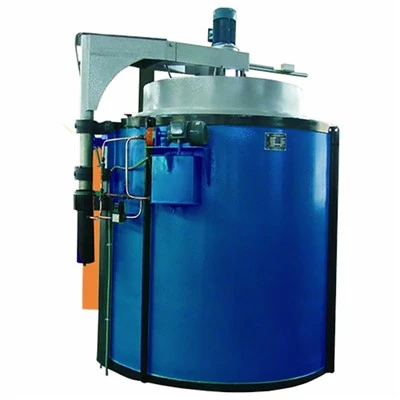
In the realm of industrial manufacturing, annealing furnaces are indispensable tools, playing a crucial role in enhancing the physical properties of materials, such as metals. As a seasoned annealing furnace supplier, I’ve witnessed firsthand the transformative impact of these furnaces on various industries. One key component that often goes unnoticed but is vital to the furnace’s operation and performance is the refractory lining. In this blog, I’ll delve into the multifaceted roles of a refractory lining in an annealing furnace. Annealing Furnace
1. Thermal Insulation
One of the primary functions of a refractory lining in an annealing furnace is to provide thermal insulation. Annealing is a heat – treatment process that involves heating a material to a specific temperature and then cooling it slowly. During this process, a high and consistent temperature needs to be maintained within the furnace chamber.
The refractory lining acts as a barrier between the hot interior of the furnace and the cooler exterior environment. It minimizes heat loss through the furnace walls, ensuring that the heat generated by the heating elements remains within the chamber. This not only helps in achieving the desired annealing temperature but also reduces energy consumption. For example, in large – scale industrial annealing furnaces used for processing steel coils, a well – insulated refractory lining can significantly cut down on the amount of fuel or electricity required to maintain the high temperatures. Over time, this translates into substantial cost savings for the end – user.
2. Protection of Furnace Structure
The interior of an annealing furnace is a harsh environment. High temperatures, chemical reactions, and mechanical stress can all take a toll on the furnace structure. The refractory lining serves as a protective shield for the furnace shell and other components.
The high – temperature resistance of refractory materials prevents the furnace walls from melting or deforming under the intense heat. For instance, in a furnace used for annealing high – alloy steels, which may require temperatures upwards of 1000°C, the refractory lining can withstand the extreme heat without losing its integrity. This extends the lifespan of the furnace and reduces the frequency of costly repairs and replacements.
Moreover, the refractory lining can also resist chemical attacks. During the annealing process, certain materials may release corrosive gases or react with the furnace atmosphere. The refractory lining is designed to be chemically inert to these substances, protecting the underlying metal structure from corrosion.
3. Maintenance of Uniform Temperature Distribution
Uniform temperature distribution is critical in annealing processes. Uneven temperatures can lead to inconsistent material properties, such as variations in hardness and ductility. The refractory lining plays a significant role in promoting uniform temperature distribution within the furnace chamber.
Refractory materials have specific thermal properties, such as thermal conductivity and heat capacity. By carefully selecting and installing the refractory lining, it is possible to control the flow of heat within the furnace. For example, a well – designed refractory lining can help to redirect heat from the heating elements to all parts of the furnace chamber, ensuring that the material being annealed is exposed to a consistent temperature throughout the process. This results in high – quality, homogeneous annealed products.
4. Resistance to Mechanical Stress
In addition to thermal and chemical challenges, an annealing furnace also experiences mechanical stress. The loading and unloading of materials, as well as the expansion and contraction of the furnace components during heating and cooling cycles, can cause mechanical forces within the furnace.
The refractory lining is engineered to be mechanically strong and resistant to these stresses. It can withstand the impact of heavy loads, such as large metal ingots or coils, without cracking or crumbling. Additionally, the refractory lining can accommodate the thermal expansion and contraction of the furnace structure without losing its adhesion or structural integrity. This is crucial for maintaining the long – term performance of the furnace.
5. Influence on Furnace Atmosphere
The refractory lining can also have an impact on the furnace atmosphere. In some annealing processes, a specific atmosphere, such as a reducing or inert atmosphere, is required to prevent oxidation or other unwanted chemical reactions on the material surface.
The refractory lining can interact with the furnace atmosphere in different ways. Some refractory materials can adsorb or release certain gases, which may need to be carefully controlled. For example, in a furnace with a reducing atmosphere, the refractory lining should not release oxygen or other oxidizing agents that could counteract the reducing conditions. By selecting the appropriate refractory material, it is possible to maintain the desired furnace atmosphere and ensure the quality of the annealing process.
6. Types of Refractory Lining Materials
There are several types of refractory lining materials commonly used in annealing furnaces, each with its own characteristics and suitability for different applications.
- Fireclay Bricks: These are relatively inexpensive and have good thermal insulation properties. They are suitable for annealing furnaces operating at moderate temperatures (up to around 1200°C). Fireclay bricks are easy to install and can be used in a variety of furnace designs.
- High – Alumina Bricks: With a higher alumina content, high – alumina bricks offer better thermal shock resistance and higher temperature capabilities compared to fireclay bricks. They can withstand temperatures up to 1600°C and are often used in furnaces for annealing high – temperature alloys.
- Ceramic Fiber Insulation: Ceramic fiber materials have extremely low thermal conductivity, providing excellent thermal insulation. They are lightweight and easy to install, making them a popular choice for modern annealing furnaces. Ceramic fiber insulation is suitable for both small – scale and large – scale furnaces.
7. Importance of Proper Installation and Maintenance
The performance of the refractory lining in an annealing furnace is not only dependent on the quality of the material but also on proper installation and maintenance.
During installation, it is essential to ensure that the refractory lining is installed correctly, with proper joints and seals to prevent heat leakage. Any gaps or cracks in the lining can significantly reduce its effectiveness. Additionally, the refractory lining should be installed in a way that allows for thermal expansion and contraction without causing damage.
Regular maintenance of the refractory lining is also crucial. Inspections should be carried out periodically to check for signs of wear, cracking, or corrosion. If any issues are detected, prompt repairs or replacements should be made to prevent further damage to the furnace and ensure the quality of the annealing process.
Conclusion
As an annealing furnace supplier, I understand the critical role that the refractory lining plays in the overall performance and efficiency of the furnace. From thermal insulation and protection of the furnace structure to maintaining uniform temperature distribution and influencing the furnace atmosphere, the refractory lining is an essential component that cannot be overlooked.
By carefully selecting the appropriate refractory lining material, ensuring proper installation, and conducting regular maintenance, end – users can optimize the performance of their annealing furnaces, reduce energy consumption, and produce high – quality annealed products.
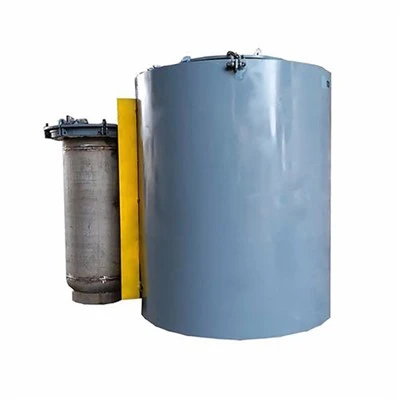
Quenching Furnace If you’re in the market for an annealing furnace or need to upgrade your existing furnace’s refractory lining, I invite you to reach out to me for a detailed discussion. Our team of experts can provide you with the best solutions tailored to your specific requirements.
References
- "Industrial Furnaces: Principles, Design, and Operation" by A. B. Mehta
- "Refractories: Properties, Selection, and Application" by R. N. Singh
- Technical reports on annealing furnace technology from industry associations.
Danyang Dingfeng Industrial Furnace Co., Ltd.
Danyang Dingfeng Industrial Furnace Co., Ltd. is one of the most experienced annealing furnace manufacturers and suppliers in China, also supports customized service with low price. Please feel free to wholesale high quality annealing furnace made in China here from our factory. For pricelist, contact us now.
Address: Lizhuang Economic Development Zone, Danyang City
E-mail: saleszk@dffurnace.com
WebSite: https://www.dffurnace.com/
