Can Flexible Stone be used on curved surfaces? Flexible Stone
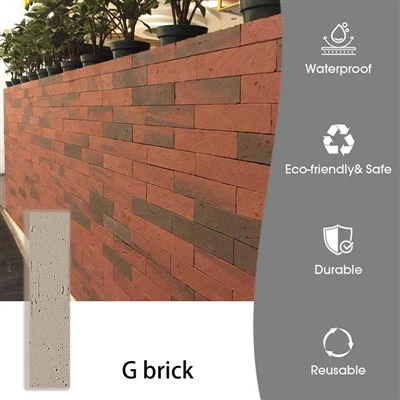
As a supplier of flexible stone, I often encounter questions from clients about the versatility of our product, especially in relation to curved surfaces. This is a fair inquiry, given the unique requirements and aesthetic challenges that curved surfaces present. In this blog, I’ll delve into the details of whether flexible stone can be used on curved surfaces, discussing its properties, installation processes, and benefits in such applications.
Understanding Flexible Stone
Flexible stone, as the name suggests, is a type of stone material that offers a degree of flexibility. It is crafted from natural stone powder and high – quality resin, combined through a special manufacturing process. This results in a product that retains the natural beauty and texture of stone while being more malleable than traditional rigid stone slabs.
The flexibility of this material is one of its most remarkable features. Unlike solid granite or marble slabs that are prone to cracking when bent, flexible stone can be bent to a certain degree without breaking. This characteristic is what makes it a potential candidate for use on curved surfaces.
Physical Properties Enabling Use on Curved Surfaces
The key physical property that allows flexible stone to be used on curved surfaces is its elasticity. The resin in the composite structure gives the material the ability to deform under pressure and then maintain its bent shape once installed. The natural stone powder, on the other hand, provides the strength and durability that are expected from a stone product.
The thickness of flexible stone also plays a role. Thinner sheets of flexible stone are generally more flexible than thicker ones. For most curved surface applications, a thickness of around 2 – 3mm is often preferred as it offers a good balance between flexibility and structural integrity.
Installation on Curved Surfaces
Installing flexible stone on curved surfaces is a process that requires some skill and attention to detail. Here are the general steps involved:
Surface Preparation
The first step is to prepare the curved surface. It should be clean, smooth, and free of any debris or loose particles. If the surface is porous, it may need to be primed to ensure better adhesion of the flexible stone.
Measuring and Cutting
Accurate measurement of the curved surface is crucial. The flexible stone needs to be cut to the appropriate size and shape. This can be done using a sharp utility knife or a specialized cutting tool. It’s important to make allowance for any overlap or seams, especially if the curved surface is large.
Adhesive Application
A high – quality adhesive is essential for a successful installation on curved surfaces. The adhesive should be applied evenly on the back of the flexible stone and on the curved surface. Care must be taken to ensure that the adhesive is suitable for both the flexible stone and the substrate material of the curved surface.
Installation and Finishing
Once the adhesive is applied, the flexible stone can be carefully placed on the curved surface. It’s important to start from one end and gradually work towards the other, smoothing out any air bubbles or wrinkles as you go. After the installation, any excess adhesive can be cleaned off, and the edges can be trimmed for a neat finish.
Benefits of Using Flexible Stone on Curved Surfaces
Aesthetic Appeal
One of the main benefits is the aesthetic enhancement it provides. Flexible stone can bring the natural beauty of stone to curved surfaces, which are often difficult to decorate with traditional stone materials. Whether it’s a curved wall in a modern building or a circular countertop in a kitchen, flexible stone can create a unique and luxurious look.
Durability
Despite its flexibility, flexible stone is highly durable. It is resistant to scratches, stains, and fading, making it suitable for both indoor and outdoor curved surface applications. This means that once installed, it will maintain its appearance for a long time with minimal maintenance.
Cost – effectiveness
Compared to using custom – fabricated rigid stone for curved surfaces, which can be extremely expensive due to the high manufacturing costs of shaping and cutting, flexible stone is a more cost – effective solution. It can achieve a similar aesthetic result at a fraction of the cost.
Case Studies
Let’s take a look at some real – world examples of flexible stone used on curved surfaces. In a recent hotel renovation project, the designers wanted to create a unique feature wall with a gentle curve in the lobby. Traditional stone was ruled out due to the high cost and difficulty of installation. Instead, they chose our flexible stone. The installation process was smooth, and the result was a stunning feature wall that added a touch of elegance to the space.
In another case, a homeowner wanted to transform their circular bathroom vanity. By using flexible stone, they were able to give the vanity a high – end, natural stone look without the need for expensive custom – made stone. The flexible stone was easy to install and has withstood the daily use in the bathroom environment without any issues.
Limitations and Considerations
While flexible stone is suitable for many curved surface applications, there are some limitations. The degree of curvature that the flexible stone can handle is limited. Extremely sharp curves may cause the material to crack or delaminate. It’s important to consult with a professional or the supplier to determine the maximum curvature that the flexible stone can withstand.
In addition, the environmental conditions can also affect the performance of flexible stone on curved surfaces. In areas with extreme temperature variations, the resin in the flexible stone may expand or contract, which could potentially lead to adhesion problems. Therefore, proper insulation and protection should be considered in such environments.
Conclusion
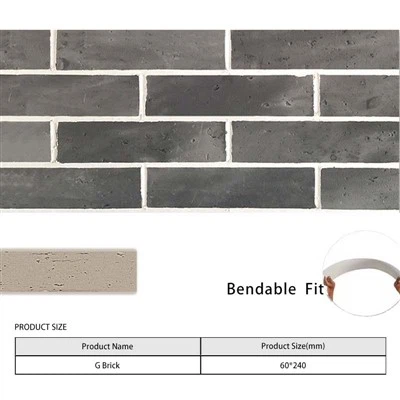
In conclusion, flexible stone can indeed be used on curved surfaces, offering a range of benefits including aesthetic appeal, durability, and cost – effectiveness. With proper installation techniques and an understanding of its limitations, it can be a great choice for both residential and commercial projects.
Flexible Stone If you’re considering using flexible stone for your curved surface project, I encourage you to reach out to discuss your specific requirements. We have a team of experts who can provide you with detailed information and guidance on the best solutions for your needs. Whether it’s a small – scale home renovation or a large – scale commercial development, we’re here to help you achieve the look you desire with our high – quality flexible stone products.
References
- "The Art of Stone Installation", masonry industry handbook.
- Research papers on composite materials in construction, published by the Construction Material Research Institute.
Jiangsu Baidai Energy-Saving Building Materials Co., Ltd.
As one of the most professional flexible stone manufacturers and suppliers in China for over 20 years, we also support customized service. Please feel free to buy flexible stone made in China here and get free sample from our factory. For price consultation, contact us.
Address: NO.37 Standard Workshop, Hailing Industrial Park, Taizhou City, Jiangsu Province, P.R.China
E-mail: Andy@baidai.cn
WebSite: https://www.bdflexiblestone.com/
