In the manufacturing industry, the stability of a machining center during operation is crucial. As a supplier of machining centers, I have witnessed firsthand how the performance and stability of these machines can significantly impact a production process. In this blog, I will share some key factors and strategies to ensure the stability of a machining center during its operation. Machining Centers
Understanding the Components of a Machining Center
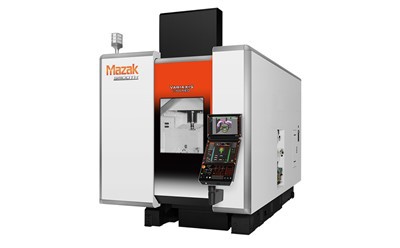
Before delving into the stability aspects, it’s essential to understand the basic components of a machining center. A typical machining center consists of a machine tool body, spindle unit, worktable, control system, and tool magazine. Each component plays a critical role in the overall performance of the machine.
The machine tool body provides the structural support for the entire machining center. It must be rigid enough to withstand the cutting forces generated during operation. High – quality materials such as cast iron are often used to build the body, as they offer good damping properties, which help reduce vibrations.
The spindle unit is responsible for rotating the cutting tool at high speeds. A stable spindle is essential for achieving accurate and smooth machining. The spindle should be well – balanced, and its bearings should be properly lubricated and maintained. Any imbalance in the spindle can lead to vibrations, which in turn can affect the quality of the workpiece and the stability of the machine.
The worktable is where the workpiece is clamped and positioned. It needs to be able to move precisely in multiple directions according to the machining requirements. The linear guides and ball screws that drive the worktable should be of high quality and accurately installed to ensure smooth and stable movement.
The control system is the brain of the machining center. It coordinates the movements of the spindle, worktable, and tool magazine. A reliable control system can accurately execute the machining programs and adjust the machining parameters in real – time, which is vital for maintaining stability.
The tool magazine stores and exchanges the cutting tools automatically. It should operate smoothly and precisely to ensure that the correct tool is selected at the right time. Malfunctions in the tool magazine can cause delays and disruptions in the machining process, affecting the stability of the overall operation.
Environmental Factors Affecting Machining Center Stability
The environment in which a machining center operates can have a significant impact on its stability. Temperature, humidity, and vibration are the three main environmental factors to consider.
Temperature variations can cause thermal expansion and contraction of the machine components. For example, if the spindle expands due to an increase in temperature, it can affect the accuracy of the machining. To mitigate this issue, machining centers are often equipped with temperature control systems. These systems can maintain a constant temperature within the machine, reducing the effects of thermal expansion.
Humidity can also pose a problem. High humidity can cause corrosion of the machine components, especially the metal parts. Corrosion can lead to degradation of the surface quality of the components and affect their performance. To prevent this, proper ventilation and dehumidification measures should be taken in the machining environment.
Vibration from external sources, such as nearby machinery or traffic, can disrupt the stability of the machining center. To isolate the machine from external vibrations, vibration – damping pads or foundations can be used. These devices can absorb and reduce the transmission of vibrations to the machining center.
Maintenance and Calibration
Regular maintenance and calibration are essential for ensuring the stability of a machining center. Maintenance includes cleaning, lubrication, and inspection of the machine components.
Cleaning the machining center regularly helps remove chips, dust, and coolant residues. These contaminants can accumulate on the machine components and cause damage or affect their performance. For example, if chips get into the linear guides, they can cause the worktable to move unevenly, affecting the stability of the machining process.
Lubrication is crucial for reducing friction between moving parts. The spindle bearings, linear guides, and ball screws need to be lubricated at the specified intervals. Using the correct type and amount of lubricant is essential. Insufficient lubrication can lead to increased wear and tear, while over – lubrication can cause contamination and other problems.
Inspection involves checking the condition of the machine components for any signs of wear, damage, or misalignment. Worn – out components should be replaced promptly to prevent further problems. For example, if the spindle bearings are worn, they can cause the spindle to wobble, leading to inaccurate machining and reduced stability.
Calibration is the process of adjusting the machine to ensure its accuracy and repeatability. The control system, the positioning of the worktable, and the spindle speed need to be calibrated regularly. By comparing the actual performance of the machine with the ideal specifications, deviations can be identified and corrected. This helps maintain the stability of the machining process and ensures high – quality workpiece production.
Operator Training
The operator of a machining center plays a crucial role in its stability during operation. Well – trained operators are more likely to use the machine correctly and identify potential problems early.
Operators should be trained on the proper operation procedures of the machining center. This includes how to load and unload workpieces, select the appropriate cutting tools, and set the machining parameters. Incorrect operation can lead to excessive cutting forces, vibrations, and other issues that can affect the stability of the machine.
Training should also include maintenance and troubleshooting skills. Operators should be able to perform basic maintenance tasks such as cleaning and lubrication. They should also be able to identify and report common problems such as abnormal noises or vibrations during operation. By addressing these problems early, more serious issues can be avoided, and the stability of the machine can be maintained.
Choosing the Right Cutting Parameters
Selecting the appropriate cutting parameters is another important factor in ensuring the stability of a machining center. Cutting parameters include cutting speed, feed rate, and depth of cut.
The cutting speed is the speed at which the cutting tool moves relative to the workpiece. If the cutting speed is too high, it can cause excessive heat generation, which can lead to tool wear and damage. On the other hand, if the cutting speed is too low, the machining efficiency will be reduced. The optimal cutting speed depends on the material of the workpiece, the type of cutting tool, and the machining operation.
The feed rate is the rate at which the cutting tool advances along the workpiece. A high feed rate can increase the machining efficiency, but it can also cause increased cutting forces and vibrations. A low feed rate can result in a smoother cut but may reduce productivity.
The depth of cut is the thickness of the material removed by the cutting tool in each pass. A large depth of cut can remove more material in less time, but it requires more cutting force and can cause greater stress on the machine components. A small depth of cut is suitable for finishing operations but may increase the number of passes required.
By carefully selecting the cutting parameters based on the specific machining requirements, the stability of the machining process can be improved. This can lead to better surface quality of the workpiece, longer tool life, and reduced wear on the machine components.
Conclusion
Ensuring the stability of a machining center during operation is a complex but achievable task. By understanding the components of the machining center, controlling the environmental factors, performing regular maintenance and calibration, providing operator training, and choosing the right cutting parameters, manufacturers can enhance the stability of their machining centers and improve the overall quality of their production.
At our company, we are committed to providing high – quality machining centers that are designed for stability and performance. Our machines are built with the latest technology and high – quality components to ensure reliable operation. If you are in the market for a machining center and want to discuss your specific requirements, please feel free to get in touch with us. We are here to help you find the perfect solution for your manufacturing needs.
Coordinate Measuring Machine References
- Smith, J. (2020). Modern Machining Technology. Publisher X.
- Johnson, A. (2019). Handbook of Machining Center Operations. Publisher Y.
- Brown, C. (2018). Environmental Factors in Machining. Publisher Z.
Hermens Industrial Co., Ltd.
As one of the most professional machining centers enterprises in China, we’re featured by quality products and low price. Please rest assured to buy cheap machining centers in stock here and get quotation from our factory. We also accept customized orders.
Address: 9/59 Moo 14, Rachathewa , Bang Phli , Samut Prakan Province 10540
E-mail: liu_jincheng@hzhemen.com
WebSite: https://www.hermensindustrial.com/
