As a supplier of Horizontal Plastic Crushers, I’ve encountered numerous issues that customers often face with these machines. In this blog, I’ll delve into the common problems associated with Horizontal Plastic Crushers and offer practical solutions to address them. Horizontal Plastic Crusher
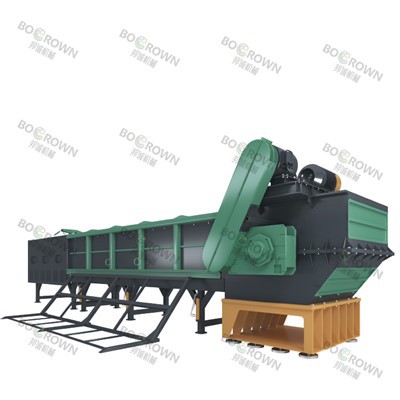
1. Excessive Noise and Vibration
One of the most frequently reported problems is excessive noise and vibration during the operation of the Horizontal Plastic Crusher. This issue can be quite disturbing, not only for the operators but also for the surrounding environment.
Causes:
- Imbalanced Rotor: Over time, the rotor of the crusher may become imbalanced due to uneven wear or the accumulation of debris. This imbalance can cause the machine to vibrate excessively and generate a significant amount of noise.
- Loose Components: Loose bolts, nuts, or other components can also contribute to increased vibration and noise. During operation, the constant movement and impact can cause these parts to loosen, leading to instability in the machine.
- Worn Bearings: Bearings play a crucial role in the smooth operation of the crusher. If the bearings are worn out, they can cause the shaft to move erratically, resulting in noise and vibration.
Solutions:
- Rotor Balancing: Regularly inspect the rotor for any signs of imbalance. If an imbalance is detected, it’s essential to balance the rotor using specialized equipment. This process involves adding or removing weights from the rotor to ensure that it rotates smoothly.
- Tightening Components: Periodically check all the bolts, nuts, and other components for tightness. If any loose parts are found, tighten them immediately to prevent further vibration and noise.
- Bearing Replacement: If the bearings are worn out, replace them as soon as possible. It’s important to use high – quality bearings that are suitable for the specific model of the Horizontal Plastic Crusher.
2. Low Crushing Efficiency
Another common problem is low crushing efficiency, which can lead to reduced productivity and increased operating costs.
Causes:
- Dull Blades: The blades of the Horizontal Plastic Crusher are responsible for cutting and shredding the plastic materials. Over time, the blades can become dull due to continuous use, which can significantly reduce the crushing efficiency.
- Incorrect Feeding Rate: If the feeding rate is too high, the crusher may not be able to process the plastic materials effectively, leading to clogging and reduced efficiency. On the other hand, if the feeding rate is too low, the machine may not be operating at its full capacity.
- Inappropriate Screen Size: The screen size of the crusher determines the size of the crushed plastic particles. If the screen size is too large, the crushed particles may be too big, and if it’s too small, the crusher may become clogged.
Solutions:
- Blade Sharpening or Replacement: Regularly sharpen the blades or replace them when they are too dull. Sharpening the blades can restore their cutting performance and improve the crushing efficiency.
- Adjusting the Feeding Rate: Monitor the feeding rate carefully and adjust it according to the capacity of the crusher. It’s important to maintain a consistent feeding rate to ensure optimal performance.
- Selecting the Right Screen Size: Choose the appropriate screen size based on the desired particle size of the crushed plastic. This will help to ensure that the crusher operates efficiently and produces the desired output.
3. Clogging
Clogging is a common issue that can occur in Horizontal Plastic Crushers, especially when processing certain types of plastic materials.
Causes:
- Sticky or Fibrous Plastics: Some plastics, such as PVC or fiberglass – reinforced plastics, can be sticky or fibrous, which can cause them to adhere to the blades and other parts of the crusher, leading to clogging.
- Large or Irregularly Shaped Materials: If large or irregularly shaped plastic materials are fed into the crusher, they may not be able to pass through the machine smoothly, resulting in clogging.
- Insufficient Cleaning: Lack of regular cleaning can cause debris and plastic particles to accumulate in the crusher, which can eventually lead to clogging.
Solutions:
- Pre – Treatment of Materials: If possible, pre – treat the sticky or fibrous plastics to reduce their stickiness. This can be done by adding anti – sticking agents or by using a different type of crusher that is more suitable for these materials.
- Proper Material Selection and Preparation: Ensure that the plastic materials are of an appropriate size and shape before feeding them into the crusher. Cut large materials into smaller pieces to facilitate the crushing process.
- Regular Cleaning: Establish a regular cleaning schedule for the crusher. Remove any debris and plastic particles that have accumulated inside the machine to prevent clogging.
4. Electrical Problems
Electrical problems can also occur in Horizontal Plastic Crushers, which can affect the performance and safety of the machine.
Causes:
- Faulty Wiring: Over time, the wiring in the crusher may become damaged or loose, which can cause electrical shorts or other problems.
- Overheating: If the motor of the crusher overheats, it can cause damage to the electrical components and lead to malfunctions.
- Power Supply Issues: Unstable power supply, such as voltage fluctuations or power outages, can also cause problems with the crusher.
Solutions:
- Wiring Inspection and Repair: Regularly inspect the wiring of the crusher for any signs of damage or looseness. If any issues are found, repair or replace the wiring immediately.
- Motor Cooling and Maintenance: Ensure that the motor of the crusher is properly cooled to prevent overheating. This can be done by using a cooling fan or by providing adequate ventilation.
- Stable Power Supply: Use a stable power supply to operate the crusher. If necessary, install a voltage stabilizer to protect the machine from voltage fluctuations.
5. Dust and Air Pollution
During the crushing process, the Horizontal Plastic Crusher can generate a significant amount of dust and air pollution, which can be harmful to the environment and the health of the operators.
Causes:
- Lack of Dust Collection System: If the crusher does not have a proper dust collection system, the dust generated during the crushing process will be released into the air.
- Poor Sealing: Poor sealing of the crusher can also allow dust to escape from the machine.
Solutions:
- Installation of Dust Collection System: Install a high – quality dust collection system to capture the dust generated during the crushing process. This will help to reduce air pollution and protect the health of the operators.
- Improving Sealing: Check the sealing of the crusher regularly and repair any leaks. This will prevent dust from escaping from the machine and reduce the amount of air pollution.
In conclusion, Horizontal Plastic Crushers are powerful machines that can efficiently process a wide range of plastic materials. However, like any other equipment, they are prone to certain problems. By understanding the common problems and their solutions, you can ensure that your Horizontal Plastic Crusher operates smoothly and efficiently.
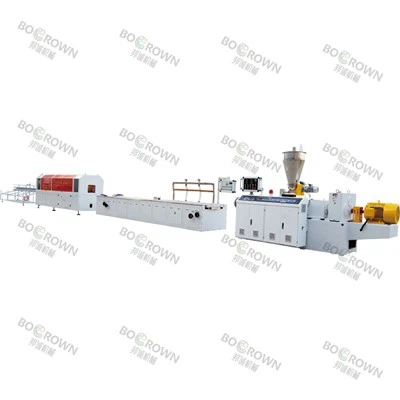
If you are in the market for a Horizontal Plastic Crusher or need further assistance with your existing machine, feel free to reach out to us. Our team of experts is ready to provide you with professional advice and support. We offer high – quality Horizontal Plastic Crushers that are designed to meet your specific needs and requirements. Contact us today to start a discussion about your plastic crushing needs.
Central Dust Removal References:
- "Plastic Recycling Technology" by John Doe
- "Crushing and Screening Handbook" by Jane Smith
ZJG BC Machinery Co., Ltd.
As one of the most professional horizontal plastic crusher manufacturers and suppliers in China, we’re featured by quality products and good price. Please rest assured to buy cost-efficient horizontal plastic crusher for sale here from our factory. Contact us for custom service and OEM service.
Address: No.8 Lexi Road, Leyu Town, Zhangjiagang City
E-mail: sales@bcextruder.com
WebSite: https://www.bcextruder.com/
