The learning curve for using a Lab Workbench can vary significantly depending on several factors, including the user’s prior experience, the complexity of the workbench, and the specific tasks it is designed to perform. As a supplier of Lab Workbenches, I’ve had the opportunity to observe and interact with a wide range of users, from novice students to experienced researchers. In this blog, I’ll delve into the various aspects of the learning curve associated with using our Lab Workbenches. Lab Workbench

Understanding the Basics: Initial Familiarization
For most users, the first step in the learning process is getting acquainted with the physical components of the Lab Workbench. Our workbenches are designed with a user – friendly layout, but there are still some basic elements that users need to understand.
The work surface itself is a crucial area. It is typically made of a durable material that can withstand various chemicals and physical stresses. Users need to learn how to properly clean and maintain the work surface to ensure its longevity. For example, different types of spills may require different cleaning agents, and understanding these requirements is essential.
The storage compartments are another important feature. Our Lab Workbenches come with multiple drawers and cabinets of different sizes. New users need to learn how to organize their tools and supplies effectively within these compartments. This organization not only makes it easier to find what they need during experiments but also helps in maintaining a safe and efficient working environment.
The electrical and plumbing connections on the workbench are also areas that require initial attention. Users must understand how to safely connect and use electrical equipment, such as microscopes or power – hungry devices. Similarly, the plumbing connections are used for water and other fluids, and users need to learn how to operate and maintain these systems to prevent leaks and ensure proper functionality.
Software and Digital Interface
In today’s digital age, many of our Lab Workbenches are equipped with advanced software and digital interfaces. These interfaces can be used to control various functions of the workbench, such as adjusting lighting, temperature, and other environmental factors.
For users with little to no experience in software operation, learning to use these interfaces can be a steep part of the learning curve. However, our software is designed with a simple and intuitive user interface. We provide detailed user manuals and training materials to help users get started. For example, the software may have a dashboard that displays all the available functions in an easy – to – understand format. Users can gradually learn how to navigate through the different menus and perform tasks such as setting up an experiment, recording data, and generating reports.
The data management aspect of the software is also an important part of the learning process. Our Lab Workbench software allows users to store and analyze experimental data. Users need to learn how to input data accurately, use the built – in analysis tools, and export the results in the desired format. This requires a basic understanding of data management principles and the specific features of our software.
Experimental Setup and Procedure
Once users are familiar with the physical and digital aspects of the Lab Workbench, they need to learn how to set up and conduct experiments. This involves a series of steps, from selecting the appropriate equipment to following the correct experimental procedures.
Selecting the right equipment is crucial. Our Lab Workbenches are compatible with a wide range of laboratory instruments, such as pipettes, centrifuges, and spectrometers. Users need to learn how to choose the right instrument for their experiment and how to properly install and calibrate it. For example, a pipette needs to be calibrated regularly to ensure accurate volume measurements.
Following the experimental procedure is another key aspect. Different experiments have different requirements, and users need to learn how to follow the step – by – step instructions. This may involve preparing samples, adding reagents, and monitoring the progress of the experiment. Our training programs often include hands – on demonstrations of common experimental procedures to help users gain practical experience.
Safety and Compliance
Safety is of utmost importance in a laboratory environment. Our Lab Workbenches are designed with several safety features, but users need to learn how to use them correctly.
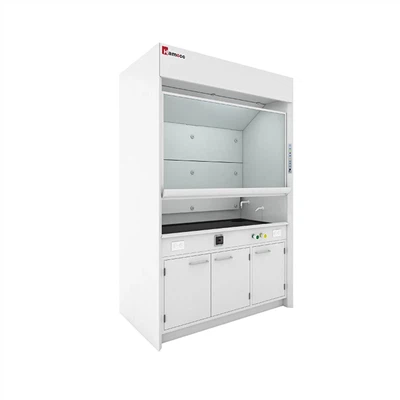
The safety features include things like fume hoods, which are used to remove harmful gases and vapors from the work area. Users need to understand how to operate the fume hoods properly, including adjusting the airflow and ensuring that they are working effectively.
Compliance with laboratory regulations is also a significant part of the learning curve. Different regions and industries have different regulations regarding laboratory safety and waste management. Users need to learn about these regulations and ensure that they are following them when using our Lab Workbenches. For example, proper disposal of chemical waste is a critical aspect of compliance, and users need to learn how to separate and store different types of waste according to the regulations.
The Role of Training and Support
To help users navigate the learning curve, we offer comprehensive training programs. These programs are tailored to the specific needs of different users, whether they are students, researchers, or industrial professionals.
Our training sessions cover all aspects of using the Lab Workbench, from the basic physical components to the advanced software features. We provide hands – on training, where users can practice using the workbench and perform experiments under the guidance of our experienced trainers.
In addition to training, we also offer ongoing support. Our support team is available to answer any questions that users may have, whether it’s about software issues, equipment malfunction, or experimental procedures. We also provide regular software updates to ensure that the workbench is always up – to – date with the latest features and security patches.
Factors Affecting the Learning Curve
Several factors can affect the learning curve for using our Lab Workbenches. One of the most significant factors is the user’s prior experience. Users with a background in laboratory work or a related field may have an easier time learning how to use the workbench compared to those with no prior experience.
The complexity of the experiments being performed also plays a role. More complex experiments may require a deeper understanding of the workbench’s features and functions, which can extend the learning curve.
The frequency of use is another factor. Users who use the Lab Workbench regularly are likely to become more proficient more quickly than those who use it infrequently.
Conclusion
The learning curve for using our Lab Workbenches is a multi – faceted process that involves familiarizing with the physical components, software interfaces, experimental procedures, and safety regulations. While it may seem daunting at first, with the right training and support, users can quickly become proficient in using our workbenches.
Lab Table Top If you’re interested in learning more about our Lab Workbenches or are considering a purchase, we encourage you to reach out to us. Our team of experts is ready to assist you in understanding the learning process and how our workbenches can meet your specific needs. Contact us today to start the conversation about your laboratory requirements.
References
- Laboratory Safety Manuals from recognized scientific institutions.
- User manuals for our Lab Workbenches.
- Industry – specific research papers on laboratory equipment usage and learning curves.
HAMECC(Shanghai) Lab Solutions Co., Ltd.
We’re well-known as one of the leading lab workbench manufacturers and suppliers in China, featured by quality products and good price. Please rest assured to buy customized lab workbench made in China here from our factory.
Address: Building 1, No. 2222, Huancheng Road, Jiading District, Shanghai
E-mail: info@hamecc.com
WebSite: https://www.hamecc.com/
