When someone walks into a gym, they’re not just looking for equipment — they’re looking for a space where every surface works as hard as they do. As an EVA gym mats supplier, I get asked questions all the time about what these mats can handle, and one of the most frequent ones is: Can EVA gym mats be used for boxing workouts? It’s a fair question. Boxing isn’t just about punching a heavy bag or shadowboxing; it’s quick footwork shifts, repeated impacts from gloves, sometimes even standing in one spot for rounds, and if you train at home, space is often limited. You don’t want to invest in a mat that works for yoga but falls apart after a few months of sparring drills. Let’s break this down honestly, based on what I’ve seen in gyms, what our customers tell me, and the actual science of what boxing workouts demand. EVA Gym Mats
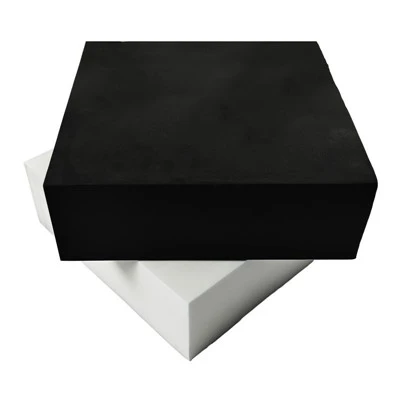
First, let’s start with what EVA is, because not everyone knows the material’s quirks. Ethylene Vinyl Acetate, or EVA, is a closed-cell foam that’s lightweight, water-resistant, and has a consistent density that makes it soft enough to cushion joints but firm enough to support weight. The mats we make as a supplier are engineered to handle high-traffic spaces, which is exactly what boxing areas are. But here’s where a lot of people get confused: not all EVA mats are the same. A thin, 10mm mat you might roll up for a picnic won’t work for boxing, but a 25mm to 40mm thick interlocking EVA mat that’s rated for gym use? That’s a different story.
Boxing has three main workout components that put mats to the test: impact resistance, grip, and durability. Let’s talk about impact first. When you throw a punch, the force transfers through your glove, through the mat, and down to the floor below. If the mat is too thin or made of a low-quality foam, that force will go straight through, which is hard on your wrists and elbows — especially during repeated combinations. I’ve had a customer who trains at home tell me he used a generic yoga mat for his heavy bag drills, and after a month, his wrist pain got so bad he had to cut his sessions short. Switching to a 30mm EVA mat from us, he said, made a noticeable difference. EVA’s closed-cell structure disperses impact evenly, so it doesn’t just cushion your gloves — it protects your joints too, which is a big deal for boxers who train multiple times a week.
Then there’s grip. For boxing, your feet need to stay stable. A mat that’s too slippery will make you slide when you’re doing footwork drills or pivoting for a cross, which can lead to ankle sprains. EVA mats, especially the ones with a textured top surface we produce, have enough grip to keep your feet from moving, even when you’re sweating. I remember a local boxing gym owner who switched from rubber mats to EVA a few years ago because the rubber got slippery after a few rain-soaked classes — they had to wipe it down every 10 minutes. The EVA mats? They hold up against sweat, and the texture doesn’t wear off, so their boxers can move confidently through drills. That’s a big win for anyone training in a space with variable humidity.
Durability is another key point. Boxing workouts aren’t gentle. You’re not just stepping on the mat — sometimes you’re dragging your feet, sometimes you’re dropping a 16oz glove on it mid-combination, and if you’re doing floor work (yes, even boxers do planks, mountain climbers, and core drills on the ground), the mat has to stand up to that. EVA is a durable material, but only if it’s not mixed with cheap fillers. A lot of budget EVA mats have recycled plastic or other additives that make them brittle — after a few months of heavy use, they’ll crack at the edges or get indentations that never pop back. The EVA mats we supply are made with virgin EVA that’s compressed during manufacturing to maintain its shape. We have a customer who runs a commercial boxing gym with over 50 regular members, and their mats have been down for 18 months now, with only minor scuffs and no tears. That’s the kind of longevity you want for a workout that’s that intense.
But let’s be real — EVA mats aren’t perfect for every boxing scenario. If you’re doing a lot of sparring on the mat, for example, EVA is softer than the vinyl or rubber mats some gyms use. Sparring involves being on the mat, hitting the ground, so you want that softness, but if you’re training in a space where people are dropping weights near the boxing area (something we see in a lot of cross-train gyms), EVA can get indented by heavy weights if they’re dropped directly on it. It’s not that it can’t handle it, but repeated heavy impacts in the same spot will create a permanent mark. For most home gym setups, though, where you’re not dropping 50lb dumbbells on the boxing section, that’s not a problem. And even for commercial gyms, boxing-specific EVA mats can be placed in a way that keeps weight areas separate, so the boxing space stays intact.
Another thing to consider: installation and maintenance. EVA gym mats are interlocking, which is perfect for boxing areas because you can fit them exactly to the space you have, no cutting needed. That’s a huge plus for home gym owners who might have a awkward corner or a small basement. And cleaning them is super easy — just wipe them down with a mild soap and water, and they’re good to go. Boxing workouts can get messy with sweat, so a mat that doesn’t absorb moisture or odors is a must. EVA’s closed-cell structure means it doesn’t trap bacteria, which is way better than fabric mats that hold onto sweat and get smelly after a few uses. I’ve had a few customers tell me they switched from fabric roll mats because they had to replace them every six months due to odor — EVA mats last years, even with regular cleaning.
Wait, let’s address a common misconception: some people think EVA is too soft for boxing, that it’ll make you slip or that the mat will move when you’re throwing punches. But that’s only if you get thin, low-density mats. The right EVA mat — 25mm to 40mm, density of at least 180 kg/m³ — is firm enough to give you the support you need. I always tell customers looking for a boxing mat to test the density: if you can squish it more than an inch with your thumb, it’s too soft. The mats we supply have a density that keeps their shape, so when you plant your foot for a hook, the mat doesn’t give way under you. I’ve watched amateur boxers train on our mats, and they’ve said the support is better than the rubber mats they used to train on at their old gym.
What about portability? A lot of boxers train at home, but sometimes they go to a friend’s house or a park to shadowbox. EVA mats are lightweight and easy to roll up, so you can take a few tiles with you if you need a stable surface. That’s a big difference from solid rubber mats, which are heavy and hard to move. For someone who travels for training or just likes to mix up their workout space, that’s a practical benefit.
But let’s get back to the core question: Can EVA gym mats be used for boxing workouts? The answer is yes, but only if you choose the right mat. The key factors are thickness, density, and quality. If you go with a cheap, thin mat, you’ll end up with joint pain, slippery surfaces, and a mat that falls apart in a few months. But if you invest in a high-quality EVA gym mat designed for heavy use, it can handle everything from heavy bag drills to footwork to core work, and it will protect your body at the same time.
As a supplier, I’ve seen this play out hundreds of times. We’ve had customers who started with a budget EVA mat for yoga, tried it for boxing, and quickly realized it wasn’t enough. Then they switched to our thicker, denser mats, and their workouts improved. They told me their footwork was more stable, their joint pain was less, and the mats looked as good as new after a year. That’s the kind of result that matters — not just a mat that sits there, but one that enhances your workout.
If you’re setting up a home boxing gym or updating your commercial gym’s space, it’s worth thinking about EVA mats. They’re versatile, durable, and work for more than just boxing — you can use the same mats for strength training, stretching, and even your partner’s yoga sessions. That makes them a cost-effective choice, because you’re not buying separate mats for different workouts. I’ve had customers who told me they thought they’d need three different types of mats, but they went with EVA and it worked for everything.
Now, let’s talk about what to look for if you’re in the market. First, thickness: aim for 25mm minimum, 30mm is ideal for boxing. Thinner than that, and you’ll lose the impact protection. Second, density: look for a mat that’s at least 180 kg/m³. This ensures the mat is firm enough to support your footwork and won’t indent easily. Third, texture: a non-slip top surface is non-negotiable. Some EVA mats have a smooth top, which can be slippery when sweaty — go for a textured or studded surface for boxing. Fourth, interlocking design: this makes installation easy, and you can replace individual tiles if one gets damaged, instead of the whole mat.
I always tell potential customers that the best way to know is to test a sample. We send out free samples all the time, so you can see the thickness, feel the density, and even test the grip. A lot of suppliers don’t do that, but I think it’s important — you shouldn’t have to buy a whole roll to find out if it works for your needs.
At the end of the day, boxing is about consistency. You need a surface that’s reliable, that doesn’t hold you back, and that protects you as you train. EVA gym mats, when chosen correctly, check all those boxes. They’re not just a mat — they’re a workout partner that works as hard as you do.
If you’re ready to outfit your home gym or commercial boxing space with EVA mats that are built to last, reach out to discuss your specific needs. We can help you pick the right thickness, density, and design to fit your workouts, whether you’re training for your first amateur fight or running a busy gym with dozens of members.
EVA Sole References
- American Council on Exercise (ACE). "Foam Mat Selection for Home Workouts," 2022.
- International Journal of Sports Physical Therapy. "Surface Materials and Lower Extremity Joint Loading During Boxing Footwork Drills," 2021.
- National Strength and Conditioning Association (NSCA). "Durability of Foam Flooring for High-Intensity Functional Training," 2020.
- Journal of Sports Materials. "Closed-Cell Foam Properties for Athletic Flooring Applications," 2019.
Quanzhou Firefox New Material Co., Ltd.
As one of the most professional eva gym mats suppliers in China, we have world-leading production equipment and strong manufacturing capabilities. Please rest assured to wholesale premium eva gym mats at competitive price from our factory. Customized orders are welcome.
Address: Room 1901, Xiamen Bank Quanzhou Branch Building, No. 102 Binhai Street, Fengze District, Quanzhou City, Fujian Province, China
E-mail: marketing@firefoxfoam.com
WebSite: https://www.firefox-foam.com/
