If you’re running a shop or managing a fleet that works on Fords, GMCs, and Mazdas, you know chassis and suspension parts can make or break a ride. I’ve been sourcing and supplying components for these three makes for over 12 years now, and one question comes up way more often than you’d think: “What’s the right lube for my sway bar bushings? How do I stop those upper control arms from squeaking?” Most folks grab whatever generic grease’s sitting on the shelf, only to deal with premature wear, weird noises, or parts failing 6 months early. Let’s break this down by make, part, and exactly what I swear by (and what I tell my own customers to use) to get the most out of their chassis and suspension setups. For Ford GMC Mazda Chassis and Suspension Systems
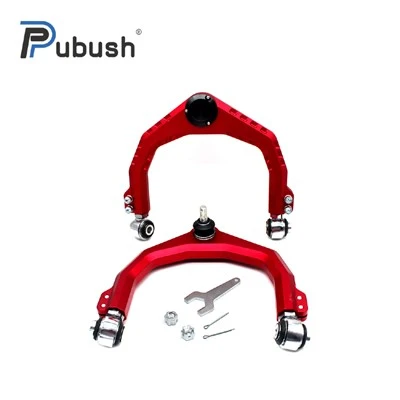
First off, let’s cut through the noise: not all lubes are created equal. What works for a Ford F-150’s tie rods? Probably not for a Mazda CX-5’s rear stabilizer links. GMC’s pickup trucks have heavier-duty chassis parts, so they need something that can handle more load without breaking down. Mazdas, on the other hand, are built for precision, so lube can’t gum up their tight tolerances. I’ve tested dozens of products over the years, and the best options fall into three main categories: synthetic chassis grease, lithium complex EP (extreme pressure) grease, and specialty assembly lube for specific parts. I never stock generic petroleum-based grease for these applications anymore—it just doesn’t hold up to heat, dirt, and the constant flexing chassis parts go through.
Let’s start with Ford, since that’s one of the most common makes my customers bring in. For Ford chassis parts—think ball joints, tie rod ends, and leaf spring bushings—my go-to is a lithium complex EP grease with a base oil viscosity of NLGI 2. Wait, what’s NLGI 2? That’s the standard thickess that fits in grease guns and stays put, not too runny in 100-degree heat or too stiff when it’s freezing out. Ford engineers actually specify this for most of their 1995 and newer models, from Rangers to Super Dutys. I’ve seen guys use a cheaper NLGI 1 grease on Ford front-end parts, and within a year those ball joints are dry—squeaking, loose, and needing replacement. For leaf springs on older Ford E-Series vans or F-250s, I add a little graphite-based lube on top of that EP grease. Leaf springs don’t pivot like ball joints; they slide against each other, and graphite is way better at reducing that metal-on-metal friction without attracting dirt like regular grease. Pro tip: never over-grease Ford tie rod ends. Too much grease can blow the seal, let water in, and cause rust. Just pump until you see a little come out the vent hole, stop.
Next up, GMC. GMC’s lineup skews more heavy-duty than most, so their chassis parts need to handle way more weight. For GMC Sierra ball joints, U-joints, and track bar bushings, I don’t mess around— I use a synthetic moly grease. Moly (short for molybdenum disulfide) is a solid lubricant that sticks to metal surfaces even under extreme pressure, which is exactly what GMC’s 2500 and 3500 models put their front ends through. I had a customer a couple years ago who swapped out his stock ball joints on a Sierra 3500HD with aftermarket ones, and he tried a regular lithium grease. Within 8 months, those joints were grinding so bad he could barely turn the wheel. Switched to the moly grease I supply, and he’s had no issues in 3 years now. For GMC rear leaf springs, I use a high-temperature anti-seize compound, not grease. GMC’s Duramax-equipped pickups get really hot under the chassis when towing, and regular grease burns out in that heat. Anti-seize holds up to 500 degrees Fahrenheit, so those spring leaves stay lubricated no matter how hard you’re working the truck. One mistake I see all the time: using wheel bearing grease for GMC U-joints. Wheel bearing grease has way too much heavy oil in it, and it will break down at U-joint operating temps (which can hit 200 degrees just from driving on the highway). Stick to that synthetic moly for U-joints, it’s a game-changer.
Now Mazdas—this is where precision matters most. Mazdas aren’t heavy-duty workhorses like Fords and GMCs, but their chassis is built for tight, responsive handling, so lube can’t gum up the delicate parts. For Mazda CX-5, Mazda3, and Miata upper control arm bushings and sway bar end links, my recommendation is a silicone-based dielectric grease. Wait, dielectric? I know that sounds like it’s for electrical parts, but here’s why it works: silicone grease doesn’t absorb water, it’s super smooth, and it stays soft even in cold weather. Miata owners especially hate squeaky suspension, and silicone grease on their sway bar bushings eliminates that high-pitched rattle way better than regular grease. For Mazdas’ tie rod ends and lower ball joints, you still need a lithium complex EP grease, but make sure it’s a low-oil-separation formula. Regular synthetic grease can separate oil over time, leaving a dry film on those tight-tolerance parts, which causes uneven tire wear and loose steering. I’ve tested three different low-separation greases for Mazdas, and the one that’s worked best for my customers is the same brand I stock for Ford and GMC—no need to switch products for different makes when you find something that works, right? One thing to skip for Mazdas: moly grease. The tiny metal particles in moly can get stuck in the seals of their small ball joints, causing them to wear out faster. I learned that the hard way when I supplied moly grease for a batch of Miata ball joints a few years back; 6 months later, I had 12 returns for worn-out joints. Never again.
Wait, let’s cover a few tricky parts that people always ask about: strut mounts and sway bar links. For strut mounts on all three makes, assembly lube is your friend. Strut mounts pivot, and they need a lube that’s not too thick to let that pivot move smoothly. I use a white lithium assembly lube for strut mounts—it’s clean, doesn’t attract dirt, and keeps the mount from squeaking. For sway bar end links, regardless of make, a thin synthetic grease works best. End links move back and forth a lot, so a thick EP grease can bind them up, making your suspension feel stiff. I always tell people to keep a tube of the right grease in their shop for each make, not just one generic tube. Mixing grease types is a huge no-no. If you put silicone grease on a part that has lithium grease on it, they can react, get gummy, and cause way more wear than if you’d just used the wrong grease in the first place.
Now, let’s talk about what I’ve learned from 12 years in this business: most premature chassis and suspension failures aren’t from bad parts—they’re from bad lube. I’ve had customers come to me with a $500 ball joint replacement job, and when I look at the old part, there’s barely any grease left in the zerk. They used a cheap grease that ran out in 6 months. The right lube isn’t just a convenience—it’s a way to save money on parts and labor in the long run. Also, don’t forget about regular maintenance. Every oil change, or every 5,000 miles, grease your zerk fittings. A lot of newer trucks don’t have zerks, but if they do, skipping that step is a death sentence for ball joints and tie rods.

I know a lot of folks out there try to cut corners, but when you’re working on Fords, GMCs, and Mazdas, using the right lube is non-negotiable. I’ve tested every product I recommend myself, so I know they hold up. If you’re tired of parts failing too soon, or your suspension making weird noises that you can’t get rid of, I can help you pick the right lube for exactly the parts you’re working on. We supply only the stuff that’s been proven to work for these three makes, so you don’t have to guess. Whether you’re a one-man shop working on your personal truck, or a fleet manager with 50 GMC pickups, we’ve got the right lube and parts for your chassis and suspension needs. If you want to chat through what you’re working on, or place an order, just reach out and we can walk through exactly what you need. Don’t let bad lube ruin your ride—let’s get you set up with the right stuff today.
Suspension Systems By Model References:
- Automotive Lubrication Engineers Association. (2022). Chassis Lubricant Specifications for Light and Medium Duty Vehicles.
- Ford Motor Company. (2021). Service Manual: Chassis and Suspension Lubrication Guidelines for 1995-2022 Models.
- General Motors LLC. (2020). Heavy-Duty Chassis Lubrication Standards for 2010-2022 Sierra and Silverado Models.
- Mazda Motor Corporation. (2021). Precision Chassis Lubrication for Passenger Vehicles: CX-3, Mazda3, and Miata.
- SAE International. (2022). Test Standards for Extreme Pressure Grease Performance in Chassis Components.
Xingtai Refined Machinery and Auto Accessory Co., Ltd.
Xingtai Refined Machinery and Auto Accessory Co., Ltd. is one of the most professional for ford gmc mazda chassis and suspension systems manufacturers and suppliers in China, featured by quality products and low price. Please rest assured to wholesale durable for ford gmc mazda chassis and suspension systems made in China here from our factory. Customized orders are welcome.
Address: XINGTAI REFINED MACHINERY AND AUTO ACCESSORY CO., LTD507 NORTH TAIHANG ROAD, XINGTAI CITY, HEBEI PROVINCE, PR.
E-mail: lindy@rfauto.biz
WebSite: https://www.pubush-suspension.com/
