Hey there, let’s cut to the chase for a second—radiation safety isn’t just for nuclear power plant engineers or lab scientists anymore. You might be scrolling through this because you’ve found yourself Googling stuff like “did I just get exposed to something weird?” after a last-minute trip to a decommissioned mine (yes, those are still a thing people visit for hiking) or maybe you’re a small business owner setting up a new lab and realize you skipped the whole “safety checks” step. Whatever brought you here, the big question I get every single day as a radiation safety detection kits supplier is: Are these things actually real, or just another overhyped gadget you’d find in a random Amazon ad that breaks after two uses? Safety Detection Kits

Let’s start with the basics, no jargon, I promise. Radiation is everywhere—sunlight, your microwave (don’t stand right in front of it while it runs, c’mon), even the granite countertop in your kitchen puts off tiny, harmless amounts. The problem comes when you run into unexpected, higher levels—think a lost gamma source at a construction site, a medical waste spill someone forgot to report, or even leftover radiation from old nuclear tests that’s still hanging around in certain areas. That’s where radiation detection kits step in. They’re not just for professionals in full hazmat suits, either—they’re made for regular folks, small teams, and on-site safety crews who need quick, actionable info without waiting days for a lab result.
Now, let’s get specific about what these kits actually do, because not all are created equal. First, there are the personal dosimeter kits—these are the ones you clip to your shirt or lab coat to track total radiation exposure over time, perfect for people who work with x-rays, lab samples, or construction near old industrial sites. They’re tiny, light, and don’t need any fancy training to use. Then there are the radiation survey kits, the ones you use to scan surfaces or areas for immediate, on-the-spot radiation readings—like if you’re cleaning up a spill or surveying a site for a big project. These have handheld meters, Geiger counters (yes, the classic “click-click” thing you’ve seen in movies), and sometimes even screens that show exact numbers instead of just beeping.
Wait, I know what some of you are thinking: “A Geiger counter is too expensive, right?” Nope—we stock kits for every budget. The entry-level ones are under $100, great for small businesses, schools with a science lab, or even homeowners who live near a known radiation zone. The professional-grade ones are a bit pricier, but they’re calibrated, last for years, and can pick up super low levels that the cheap ones miss—you get what you pay for, plain and simple. And before anyone says “can’t I just use my phone? Please, phone sensors are made for taking good selfies, not detecting radiation. Don’t rely on that—most of those apps are just scams.
Let’s talk about the real stuff that makes a detection kit actually useful, because there’s a lot of junk out there. A good kit should come pre-calibrated—you shouldn’t have to do any complicated setup right out of the box. It needs to detect all the common types of radiation: alpha, beta, gamma, x-rays—those are the ones you’re most likely to encounter. Also, it should have clear instructions, not a 50-page manual written by a guy who never talked to a regular person. We include quick start guides that are like, 2 pages max, and our team is on call 7 days a week to walk anyone through how to use it, no stupid questions allowed.
Don’t get me wrong, these kits aren’t magic. They can’t tell you if you’ve been exposed to radiation days ago, they only pick up current levels. But for immediate situations? They’re game-changing. I’ll give you a real example: last month, a small construction crew was tearing down an old hospital in a rural area and found a locked metal box in the basement. They had no idea what was inside, so they grabbed one of our survey kits, scanned it, and found it was a outdated cesium source—something that would have been dangerous if they’d opened it without checking. They called the proper authorities, avoided a total disaster, and told us later the kit saved their jobs (and probably their health). That’s the kind of thing these kits do, and it’s not rare—we get stories like that every week.
Now, let’s address the elephant in the room: safety. Are these kits accurate? The ones we supply go through third-party testing, right down to the individual components. Calibration is super important because if your meter is off by even a little, you could be either overreacting to nothing or ignoring a real risk. We calibrate every single kit before it ships, and we offer annual calibration services too—no need to send the whole thing away, some kits can be calibrated on-site with a simple tool we send you. Also, they’re built to handle rough conditions—we’ve had clients use our kits in rain, snow, dust, even on construction sites where they get dropped a few times and still work perfectly. Cheaper kits? They might break after one drop, or give you a reading that’s 50% off. Our stuff? We stand behind it.
Who needs these kits? Let’s break it down, so you can figure out if you do. If you’re a school with a science lab—you need these. Kids are running around with beakers, handling old samples, and you have to make sure everything’s safe. If you run a construction company working in areas that used to have factories, mines, or military sites—yes. If you work in healthcare, especially labs or radiology departments—absolutely. Even for farmers who work near old landfills or areas with known radiation hotspots, a kit is worth its weight in gold. And hey, if you’re a prepper (no judgment, we all want to be ready for anything), a portable radiation kit is a smart investment—way better than hoarding bottled water that’ll expire.
Wait, let’s debunk a few myths while we’re at it. Myth 1: Radiation detection kits are only for people in hazmat suits. No—we have kits sized for individual use, small teams, and large facilities. Myth 2: They’re too complicated to use. We train every single client on how to use their kit, either over a quick video call or in person if they’re local. Most people get the hang of it in 10 minutes, tops. Myth 3: They’re impossible to maintain. We send replacement batteries, parts, and guides with every kit, and our support team is always here if something goes wrong. No one gets left hanging.
Now, here’s where you come in. If you’re reading this and thinking “yeah, I need one (or a few),” don’t waste time with the random online stores that sell generic, untested gadgets. We’ve been in this business for years, testing every kit ourselves, talking to clients every day, and making sure every product we send is reliable. We’ve worked with everyone from small schools to big construction companies, and we’ve helped keep hundreds of teams safe.
If you’re ready to talk through your needs—whether you need a single personal dosimeter, a full survey kit for a site, or multiple kits for a facility—hit us up for a no-pressure chat. We’ll walk you through what you actually need, no upselling, no confusing jargon. Just real advice and a product that works when you need it most.
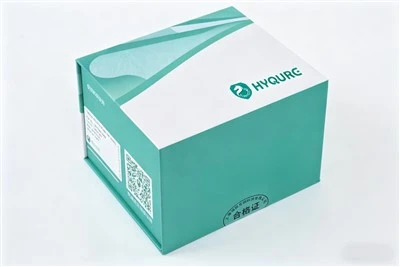
Don’t wait until there’s an emergency to realize you don’t have the right tools. Radiation might be invisible, but with a good detection kit, it doesn’t have to be unpredictable. We’re here to make safety simple, because that’s what matters most.
Safety Detection Kits REFERENCES
International Atomic Energy Agency. (2021). Radiation Detection and Measurement for Emergency Response. IAEA Publishing.
National Institute for Occupational Safety and Health. (2022). Radiation Safety in the Workplace: A Practical Guide for Small Businesses. NIOSH.
World Health Organization. (2020). Radiation Health Effects and Safety Preparedness. WHO Press.
U.S. Nuclear Regulatory Commission. (2019). Understanding Radiation Detection Kits for Non-Expert Use. NRC Office of Radiation Safety.
HyQure Biotech Co., Ltd.
As a professional safety detection kits enterprise in China and Switzerland, we rely on international compliance standards, leverages excellent quality and technical strength. If you have any enquiry about cooperation, please feel free to email us.
Address: Building 18, Lane 2777 East Jinxiu Road, Pudong New Area, Shanghai 2.Stücki Park Hochbergerstr. 60 I, 4057 Basel Switzerland
E-mail: service@hyqure.com
WebSite: https://www.hyqure.com/
