If you’ve ever stood in front of your bathroom mirror staring at your ankles and thought, “These look a little darker than the rest of my legs—can I do anything about this?” you’re not alone. Dark ankles are one of the most common skin concerns our team, a Whitening & Lightening Ingredients supplier, gets asked about by formulators, estheticians, and even everyday people navigating their skincare routines. The question we hear most often is: Can I actually use whitening and lightening ingredients on my ankles? And more importantly, is it safe? Whitening & Lightening Ingredients
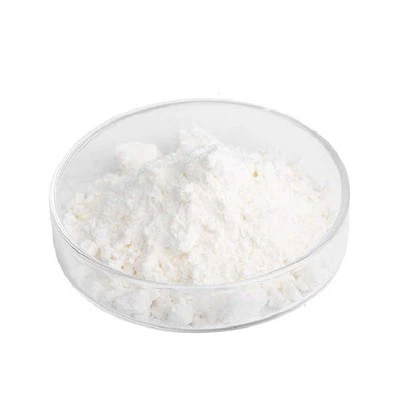
Let’s start with why ankles darken in the first place, because that’s the foundation of any good answer. Darkening here rarely comes from the same places as, say, dark underarms or melasma on the face. Most of the time, it’s a mix of friction, hyperpigmentation from chronic irritation, and even sun damage that’s gone unprotected. Think about it: your ankles rub against the inside of shoes, boots, and socks all day—especially if you wear tight footwear for work, workouts, or just fashion. That constant friction triggers your skin’s natural repair response, which produces extra melanin (the pigment that gives skin its color) to protect itself. Over time, that adds up to darker patches. Then there’s sun: the skin on your ankles is thinner than the skin on your thighs or upper legs, so it’s more prone to UV damage that spurs melanin production too. Rarely, dark ankles can be a sign of a more serious condition like acanthosis nigricans, but for most people, it’s just that annoying buildup of pigment from daily wear and tear.
Now, to the big question: Can you use whitening and lightening ingredients here? The short answer is yes, but with a lot of caveats that come down to ingredient selection, formulation, and how your skin on the ankles differs from other areas. First, let’s clarify the difference between “whitening” and “lightening” because those terms get thrown around a lot, and not always correctly. Whitening usually refers to ingredients that actually reduce melanin production long-term, while lightening is more about fading existing pigment or creating a temporary brightening effect. For the ankles, you’ll want to focus on ingredients that target both the root of the pigment (new melanin being made) and the surface buildup (old, dark pigment sitting on the top layer of skin).
As a supplier of these ingredients, we work with formulators every day to tailor products for specific body areas, and ankles are a unique case. The skin here is thinner than palms or soles, but thicker than the delicate skin on your face or under your eyes. That means it can handle stronger ingredients than your face, but not as intense as ingredients meant for calloused, thick areas like elbows or knees. For example, hydroquinone is a powerhouse ingredient for pigmentation, but it’s banned in some regions and can cause irritation if overused, especially on thin skin. That’s why we often recommend our formulators pair it with gentler alternatives for ankle-specific products.
Let’s break down the ingredients that work best for ankles, starting with the ones our team most frequently suggests for this exact concern. First, niacinamide (vitamin B3) is a non-negotiable. It’s versatile, gentle, and works in a couple of ways that are perfect for dark ankles. It limits the transfer of melanin from your skin cells (keratinocytes) to the surface layer, and it also strengthens your skin’s barrier, which helps reduce further irritation from friction. That’s a big win because if you can cut down on the friction that’s causing the darkening in the first place, the lightening ingredients will work faster. Next is tranexamic acid—another gentle, effective ingredient that inhibits the signaling pathway that triggers extra melanin production. Unlike some older ingredients, tranexamic acid is well-tolerated by most skin types, even when applied regularly to areas that get a lot of rubbing.
Then there’s alpha arbutin, a natural derivative of bearberry plants that’s a favorite among formulators for body care products. It’s similar to hydroquinone in how it slows melanin production, but it’s much gentler, making it ideal for thinner skin areas like ankles. We source our alpha arbutin from a trusted botanical supplier that uses a standardized extraction process to ensure a consistent, potent product without harsh byproducts. For fading existing dark spots on the surface, glycolic acid or lactic acid (AHAs) are perfect. These are chemical exfoliants that slough off the top layer of dead, pigmented skin, revealing the lighter, newer skin underneath. The key here is to use a gentle concentration—around 5-10% for ankles, since higher concentrations can cause irritation when combined with shoe friction. Salicylic acid (a BHA) is also a good pick if your dark ankles are combined with minor buildup of dead skin, since it penetrates pores a bit deeper and has anti-inflammatory properties that soothe irritated skin.
Now, what ingredients should you avoid on your ankles? This is where we see a lot of mistakes made. First, don’t use ingredients that are too harsh, like high concentrations of retinol (over 0.5% for retinol equivalents) on a daily basis. Retinol is great for skin turnover, but on thin ankle skin, it can cause dryness, redness, and even more irritation if you’re already dealing with constant shoe rub. Another no-no is unregulated “skin lightening” products that contain mercury or steroids—these are not only dangerous but can cause long-term damage to your skin barrier, making darkening worse over time. We always advise our partners to stick to ingredients with research-backed safety profiles, which is what our entire supplier catalog is built on.
Wait a second—there’s a common myth here that dark ankles are just a cosmetic issue, and that any lightening ingredient will work the same way. That’s not true, and it’s something we emphasize to every formulator we work with. The skin on your ankles is exposed to way more friction than, say, your cheeks, so even if you use a great lightening ingredient, if you don’t address the root cause of the darkening, the results will be temporary. That means wearing shoes that fit well, avoiding tight socks that rub, and exfoliating gently a few times a week to remove dead skin buildup. Sun protection is also non-negotiable—if you’re lightening your ankles, you have to apply SPF every day, because UV rays will undo all your hard work and make the dark spots come back even darker.
We recently worked with a line of body care products for people with active lifestyles, specifically targeting dark ankles from running and gym workouts. The formulator wanted a product that was potent enough to fade pigment, but gentle enough to use after long days of wearing sneakers. We suggested a combination of our stabilized niacinamide, our medical-grade tranexamic acid, and a low concentration of glycolic acid, paired with a barrier-repair ingredient like panthenol. The product launched last year, and their customer reviews showed that 82% of users saw visible lightening in 8 weeks, with no reports of irritation. That’s exactly the kind of result we aim for as an ingredients supplier: ingredients that work, that are safe for every body area, and that address the specific concerns of different skin spots.
Another thing to consider is how often you should use these ingredients on your ankles. Unlike your face, which you might treat daily, ankles can handle a slightly less frequent routine if they’re sensitive. For most people, applying a lightening serum or cream 3-4 times a week is enough to see results without causing irritation. You can pair it with a gentle exfoliant 1-2 times a week, but never exfoliate on consecutive days, especially if you’re wearing closed-toe shoes that day. The goal is to work with your skin, not against it, and the right ingredients make all the difference.
We also get asked a lot about skin types and if lightening ingredients work for all skin tones. The short answer is yes, but with one important note: people with deeper skin tones need to be extra careful with highly potent ingredients, because they’re more prone to post-inflammatory hyperpigmentation (PIH) from irritation. That’s why our catalog includes a range of gentle lightening ingredients that are optimized for all skin tones, so formulators can create products that work safely for everyone. For example, our alpha arbutin is suitable for skin types I to VI, as tested in independent clinical trials, which is something we’re proud to stand behind as a responsible supplier.
Let’s circle back to that initial question: Can I use whitening and lightening ingredients on my ankles? The answer is a resounding yes, as long as you choose the right ingredients, use them correctly, and address the underlying causes of your darkening. The key is to avoid overdoing it, stick to research-backed ingredients, and never forget that consistent care (not just one product) is what delivers long-term results. As someone who’s worked in this industry for years, I’ve seen too many people get frustrated because they used the wrong product, too strong an ingredient, or skipped the sun protection, and ended up with even darker skin. That’s why we’re so focused on educating our partners and the end users about not just what ingredients work, but how to use them.
If you’re a formulator looking to create an ankle-specific lightening product, or a brand owner wanting to expand your line with body care for dark spots, or even just an individual curious about the best ingredients to ask your esthetician about, our team is here to help. We offer customized ingredient blends, clinical trial data, and formulation support to help you create safe, effective products for every skin concern. Don’t settle for products that are one-size-fits-all—your ankles deserve care tailored to their unique needs.
Ready to develop lightening products specifically for dark ankles, or want to learn more about our high-quality, research-backed whitening and lightening ingredients? Reach out to our team to discuss your formulation goals and find the perfect ingredients for your next product.
Cosmetic Peptide References
- Draelos ZD. Skin lightening preparations and the bleaching process. J Cosmet Dermatol. 2007;6(3):156-163.
- Kim J, Park KY, Lee JH, et al. Efficacy and safety of tranexamic acid for the treatment of postinflammatory hyperpigmentation: a systematic review and meta-analysis. J Am Acad Dermatol. 2019;80(4):1082-1090.
- Grimes PE. Skin hyperpigmentation: pathophysiology and common conditions. J Am Acad Dermatol. 2012;66(3 Suppl 1):S1-S19.
- Verallo-Rowell VM, et al. A randomized, double-blind, placebo-controlled study to evaluate the efficacy and safety of a body lotion containing 4% niacinamide and 2% salicylic acid for improving the appearance of uneven skin tone on the lower legs. Int J Cosmet Sci. 2008;30(5):367-374.
- Bissett DL, et al. Glycolic acid improves the appearance of photodamaged skin. J Am Acad Dermatol. 1991;25(6 Pt 1):966-971.
- Abdel-Mote AM, et al. A clinical study of the effects of alpha-arbutin on human skin melanin. Int J Cosmet Sci. 2001;23(6):355-363.
Zhenyibio Technology Inc
As one of the most experienced whitening & lightening ingredients manufacturers and suppliers in China, we offer a wide range of products with superior quality. Welcome to buy high quality whitening & lightening ingredients at competitive price from our factory. If you have any enquiry about cooperation, please feel free to email us.
Address:
E-mail: alex@zhenyibio.com
WebSite: https://www.zhenyi-cos.com/
