When it comes to the world of bolts and screws, one question that often pops up is, "Can I paint bolts and screws?" As a long – standing supplier in the bolts and screws industry, I’ve encountered this query numerous times from various customers, whether they are DIY enthusiasts, construction professionals, or industrial manufacturers. In this blog, I’ll delve into the feasibility, reasons, methods, and considerations of painting bolts and screws. Bolts and Screws
Feasibility of Painting Bolts and Screws
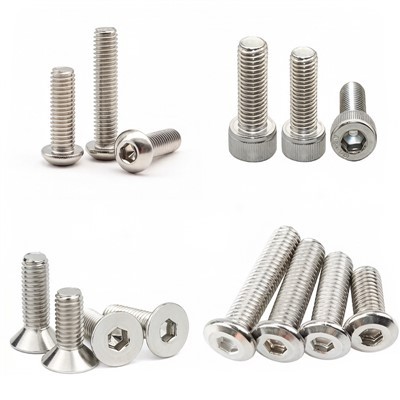
The short answer is yes, you can paint bolts and screws. However, it’s not as straightforward as just slapping on a coat of paint. Bolts and screws are made from different materials such as steel, stainless steel, brass, and aluminum, and each material reacts differently to paint.
Steel bolts and screws are the most common type. They are prone to rust, and painting can provide an additional layer of protection against corrosion. The paint acts as a barrier between the metal and the surrounding environment, preventing moisture and oxygen from reaching the surface of the steel. Stainless steel, on the other hand, is known for its corrosion – resistance. While it doesn’t need paint for protection as much as steel, painting can be done for aesthetic reasons. Brass and aluminum bolts and screws can also be painted, but they require special primers to ensure good adhesion of the paint.
Reasons for Painting Bolts and Screws
1. Corrosion Protection
As mentioned earlier, corrosion is a major concern, especially for steel bolts and screws. In outdoor applications or in environments with high humidity, saltwater, or chemicals, the metal can start to rust quickly. A well – applied paint coating can significantly extend the lifespan of the bolts and screws by protecting them from these corrosive elements. For example, in a coastal construction project, painting the bolts and screws used in the structure can prevent rusting caused by the salt in the air and water.
2. Aesthetic Purposes
In some cases, the appearance of the bolts and screws matters. For interior design projects, such as furniture making or architectural details, painted bolts and screws can blend in with the overall color scheme or add a decorative touch. You might want to paint the bolts on a custom – made wooden cabinet to match the color of the cabinet, creating a more cohesive and professional look.
3. Identification
In industrial settings, painting bolts and screws can be used as a method of identification. Different colors can represent different types of bolts, their torque requirements, or the specific equipment they are used in. This can make it easier for maintenance and repair crews to quickly identify and select the right bolts and screws, reducing the risk of errors.
Methods of Painting Bolts and Screws
1. Preparation
Before painting, proper preparation is crucial. First, clean the bolts and screws thoroughly to remove any dirt, grease, or rust. You can use a wire brush, sandpaper, or a degreaser to clean the surface. For rusty bolts, you may need to use a rust remover. After cleaning, dry the bolts and screws completely.
If you are painting steel bolts, it’s a good idea to apply a primer. The primer helps the paint adhere better to the metal surface and provides an additional layer of corrosion protection. For stainless steel, brass, and aluminum, use a primer specifically designed for these metals.
2. Painting
There are several ways to paint bolts and screws:
- Spray Painting: This is a popular method as it provides a uniform and smooth finish. You can use a spray paint can or a spray gun. Make sure to spray in a well – ventilated area and follow the manufacturer’s instructions on the paint can. Hold the spray can or gun at a proper distance from the bolts and screws to avoid runs or uneven coverage.
- Dip Painting: Dip painting involves immersing the bolts and screws in a container of paint. This method is suitable for small – scale projects or when you need to paint a large number of bolts and screws quickly. However, it may result in a thicker and less precise coating compared to spray painting.
- Brush Painting: Brush painting is a more hands – on approach. It allows you to have more control over the application, especially for hard – to – reach areas. Use a small brush and apply the paint in thin, even coats.
3. Drying and Curing
After painting, let the bolts and screws dry completely. The drying time depends on the type of paint used. Some paints may dry within a few hours, while others may take a day or more. Once the paint is dry, it needs to cure. Curing is the process by which the paint fully hardens and becomes durable. Follow the manufacturer’s instructions for the curing time, which can range from a few days to a week.
Considerations When Painting Bolts and Screws
1. Thread Integrity
One of the main concerns when painting bolts and screws is maintaining the integrity of the threads. If too much paint is applied to the threads, it can affect the fit and functionality of the bolts and screws. To avoid this, you can use masking tape to cover the threads before painting or carefully apply the paint around the threads.
2. Temperature and Humidity
The temperature and humidity during the painting process can have a significant impact on the quality of the paint job. Most paints have specific temperature and humidity ranges in which they perform best. Painting in extreme temperatures or high humidity can cause the paint to dry unevenly, bubble, or not adhere properly.
3. Compatibility of Paint and Metal
As mentioned earlier, different metals require different types of paint and primers. Using the wrong paint or primer can lead to poor adhesion, peeling, or even accelerated corrosion. Make sure to choose a paint and primer that are compatible with the material of the bolts and screws.
Conclusion
In conclusion, painting bolts and screws is not only possible but can also offer several benefits, including corrosion protection, aesthetic improvement, and identification. However, it requires proper preparation, the right painting method, and careful consideration of various factors.
Nut If you are in the market for high – quality bolts and screws and have questions about painting or any other aspects of our products, I encourage you to reach out to us. We have a team of experts who can provide you with detailed information and guidance. Whether you are a small – scale DIYer or a large – scale industrial manufacturer, we can meet your needs. Contact us to start a procurement discussion and find the perfect bolts and screws for your projects.
References
- "Handbook of Fasteners and Their Applications" by H. A. Rothbart
- "Corrosion Control in Engineering" by M. G. Fontana
- "Painting and Coating Technology" by J. W. Sinko
Shanghai Megood Metal Products Co., Ltd.
As one of the most experienced bolts and screws manufacturers and suppliers in China, we have world-leading production equipment and strong manufacturing capabilities. Please rest assured to wholesale bulk bolts and screws made in China here and get quotation from our factory. Customized orders are welcome.
Address: Building 8, No. 1500 Huiren Road, Waigang Town, Jiading District, Shanghai
E-mail: liujingshco@163.com
WebSite: https://www.mgx-hardware.com/
