Hey there fellow gardening enthusiasts! I’m a supplier of plant support systems, and today I want to chat about how you can choose the right support system for your peony plants. Peonies are these gorgeous, big – bloomed flowers. But as their blooms get larger, they often need a bit of help to stand tall and proud in your garden. Plant Support Systems
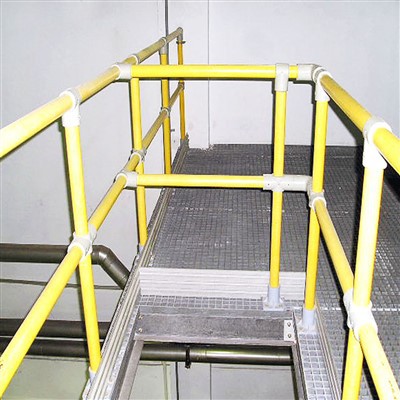
Let’s start by understanding why peonies need support in the first place. Peony flowers are, well, massive! When in full bloom, these blossoms can be as big as your head. And all that weight can be too much for the relatively slender peony stems. Without proper support, the stems can bend, break, or flop over onto the ground. This not only looks bad but can also expose the flowers to pests and diseases. So, a good plant support system is essential to keep your peonies healthy and looking their best.
Now, there are a few different types of plant support systems out there, and each has its own pros and cons.
Stakes and Ties
One of the simplest and most common support systems is using stakes and ties. You just drive a stake into the ground near your peony plant and then tie the stems to the stake. It’s a straightforward method that can work well, especially for smaller peony plants or if you have just a few of them.
The good thing about stakes and ties is that they’re pretty cheap. You can usually find wooden or metal stakes at your local garden center for not a lot of money. And the ties, whether they’re twine or special plant – ties, are also inexpensive. They’re also easy to install. You don’t need any special tools, just a hammer or a mallet to drive the stake into the ground and then you can tie the stems up.
However, there are some drawbacks. Staking each stem individually can be time – consuming, especially if you have a large peony bed. And if you don’t tie the stems properly, they can still flop over. The ties can also cut into the stems if they’re too tight, which can damage the plant.
Peony Rings
Peony rings are another popular option. These are circular frames that you place around the peony plant when it’s still small. As the plant grows, it grows up through the ring. The ring provides support all around the plant, so the stems are less likely to flop over.
The great thing about peony rings is that they offer 360 – degree support. They’re designed specifically for peonies, so they’re the right size and shape to keep your plants upright. They also look nice in the garden. Many of them are made of decorative materials like wrought iron or painted metal, so they can add a bit of style to your flower beds.
But there are some issues with peony rings too. You have to install them early in the season, before the peony plant gets too big. If you wait too long, it can be difficult to get the ring around the plant without damaging it. And they can be a bit more expensive than stakes and ties, especially if you want a high – quality, decorative one.
Cages
Plant cages are similar to peony rings, but they’re usually a bit more robust. They’re often made of wire and have a more open, cage – like structure. You can place a cage over the peony plant, and as the plant grows, it fills in the cage.
Cages are great for larger peony plants or for areas where there’s a lot of wind. They provide strong support and can withstand more pressure than some other support systems. They’re also reusable. You can take them down at the end of the season, store them, and then use them again the next year.
On the downside, cages can be bulky and difficult to store. They can also be a bit more expensive than stakes and ties. And like peony rings, you need to install them early in the growing season.
Grid Systems
Grid systems are a bit different. They consist of a series of horizontal and vertical wires or bars that form a grid. You place the grid over the peony bed, and the peony stems grow up through the grid squares.
Grid systems are good for large peony beds. They provide support across the entire bed, so all the plants are supported evenly. They’re also adjustable. You can move the wires or bars around to fit the size and shape of your peony bed.
But grid systems can be a bit more complicated to install. You need to make sure the grid is level and properly secured to the ground. And they can be more expensive than some of the other options, especially if you need a large grid for a big bed.
So, how do you choose which support system is right for you? Well, it depends on a few factors.
Size of Your Peony Plants
If you have small peony plants, stakes and ties might be a good option. They’re easy to use and won’t cost you a lot. But if your plants are large or if you’re growing a variety with especially big blooms, you might need something more substantial like a cage or a grid system.
Number of Peony Plants
If you only have a few peony plants, a peony ring for each plant could work well. It’s a simple and effective way to support them. But if you have a large peony bed with lots of plants, a grid system might be more practical. It’ll save you time and effort compared to staking each plant individually.
Your Budget
Let’s face it, money matters. Stakes and ties are the cheapest option, so if you’re on a tight budget, that might be the way to go. Peony rings and cages are a bit more expensive, and grid systems can be the most costly. But remember, you get what you pay for. A high – quality support system will last longer and do a better job of keeping your peonies upright.
Aesthetics
If you’re really into how your garden looks, you might want to choose a support system that’s decorative. Peony rings and some cages come in nice designs that can add a touch of elegance to your flower beds. On the other hand, if you don’t care as much about looks and just want something functional, stakes and ties or a basic grid system will do the job.
Ease of Installation and Use
Some support systems are easier to install than others. Stakes and ties are super simple, while grid systems can be a bit more of a hassle. Think about how much time and energy you’re willing to put into setting up the support system. And also consider how easy it’ll be to use throughout the growing season. For example, if you need to adjust the ties on stakes every time the plant grows, that could be a pain.
In conclusion, choosing the right plant support system for your peony plants is all about finding a balance between your needs, your budget, and the specific requirements of your peonies. Whether you go for the simplicity of stakes and ties, the all – around support of a peony ring, the strength of a cage, or the wide – coverage of a grid system, the important thing is that your peonies stay upright and healthy.
If you’re interested in purchasing a plant support system for your peonies or other plants, don’t hesitate to reach out. We’ve got a wide range of options to suit different needs and budgets. Let’s have a chat and find the perfect support system for your garden.
Tree Support Stakes References:
- "The Complete Guide to Growing Peonies" – A gardening book that covers peony care and support.
- "Gardening for Beginners: Plant Support Systems" – An online gardening resource that discusses different types of plant supports.
- "Peony Planting and Maintenance Tips" – A local gardening magazine article that includes information on peony support.
Yizheng Wanteng Composites Co., Ltd.
As one of the most professional plant support systems manufacturers and suppliers in China, we’re featured by quality products and good service. Please rest assured to wholesale bulk slip-resistant plant support systems for sale here from our factory. Contact us for pricelist.
Address: No. 20 Longyi Road, Qingshan Town Industrial Park, Yizheng City, Jiangsu Province, China
E-mail: mark@wantfrp.com
WebSite: https://www.wantfrp.com/
