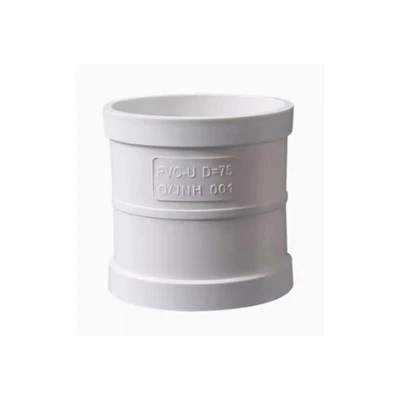
Installing a PVC pipe elbow is a fundamental skill in plumbing and DIY projects. As a PVC Pipe & Fittings supplier, I’ve seen firsthand the importance of understanding the proper installation process. In this blog, I’ll guide you through the steps of installing a PVC pipe elbow, from preparation to the final connection. PVC Pipe & Fittings
Preparation
Before you start installing a PVC pipe elbow, it’s crucial to gather all the necessary tools and materials. Here’s a list of what you’ll need:
- PVC Pipe Elbow: Choose the appropriate size and angle for your project. Common angles include 45 degrees and 90 degrees.
- PVC Pipes: Ensure that the pipes are the correct size to fit the elbow. Measure the diameter of the pipes and select the elbow accordingly.
- PVC Primer: This helps to clean and prepare the surfaces of the pipes and elbow for bonding.
- PVC Cement: A high-quality cement is essential for creating a strong and leak-proof joint.
- Measuring Tape: Use a measuring tape to accurately measure the length of the pipes and the position of the elbow.
- Hacksaw or PVC Cutter: You’ll need a tool to cut the PVC pipes to the desired length.
- Safety Equipment: Wear safety goggles and gloves to protect yourself from any potential hazards.
Step 1: Measure and Cut the Pipes
The first step is to measure the length of the pipes that you’ll be connecting to the elbow. Use a measuring tape to mark the desired length on the pipes. Then, use a hacksaw or PVC cutter to cut the pipes at the marked points. Make sure to cut the pipes straight and cleanly to ensure a proper fit.
Step 2: Clean the Pipes and Elbow
Before applying the primer and cement, it’s important to clean the surfaces of the pipes and elbow. Use a clean cloth to remove any dirt, debris, or moisture from the pipes and elbow. This will help the primer and cement to adhere properly.
Step 3: Apply the Primer
Apply a thin layer of PVC primer to the outside of the pipe and the inside of the elbow. The primer helps to clean and soften the PVC surface, allowing the cement to bond more effectively. Use a brush or applicator to apply the primer evenly, covering the entire surface.
Step 4: Apply the Cement
After applying the primer, wait for it to dry for a few seconds. Then, apply a thin layer of PVC cement to the same surfaces that you applied the primer to. Make sure to apply the cement evenly and cover the entire surface.
Step 5: Connect the Elbow to the Pipes
Once the cement is applied, quickly insert the pipe into the elbow. Twist the pipe slightly to ensure that the cement is evenly distributed and that the joint is properly seated. Hold the pipe in place for a few seconds to allow the cement to set.
Step 6: Check the Connection
After connecting the elbow to the pipes, check the connection to make sure it’s secure. Look for any signs of leakage or gaps in the joint. If there are any issues, you may need to reapply the primer and cement and reconnect the elbow.
Step 7: Allow the Cement to Cure
Once the connection is secure, allow the cement to cure for the recommended time. This usually takes about 24 hours, but it may vary depending on the type of cement and the temperature and humidity conditions.
Tips for a Successful Installation
- Use the Right Tools: Make sure you have the right tools for the job, including a hacksaw or PVC cutter, measuring tape, primer, and cement.
- Follow the Manufacturer’s Instructions: Read and follow the manufacturer’s instructions for the primer and cement. This will ensure that you use the products correctly and achieve a strong and leak-proof joint.
- Work in a Well-Ventilated Area: PVC primer and cement can emit strong fumes, so it’s important to work in a well-ventilated area. Open windows and doors or use a fan to circulate the air.
- Be Patient: Allow the primer and cement to dry and cure completely before using the pipes. Rushing the process can result in a weak or leaky joint.
Conclusion
PVC Pipe & Fittings Installing a PVC pipe elbow is a relatively simple process that can be done by anyone with basic plumbing skills. By following the steps outlined in this blog and using the right tools and materials, you can ensure a successful installation. As a PVC Pipe & Fittings supplier, we’re here to help you with all your plumbing needs. If you have any questions or need further assistance, please don’t hesitate to contact us. We look forward to working with you and helping you achieve your plumbing goals.
References
- "PVC Pipe Installation Guide." PVC Pipe Association.
- "How to Install PVC Pipe." Home Depot.
- "Plumbing Basics: Installing PVC Pipe and Fittings." This Old House.
Shanxi Kaisheng Plastic Co., Ltd.
Shanxi Kaisheng Plastic Co., Ltd. is one of the most professional PVC pipe & fittings manufacturers and suppliers in China, featured by quality products and good price. Welcome to buy durable PVC pipe & fittings made in China here and get quotation from our factory. We also accept customized orders.
Address: No. 72, Area S, Gate 1, Haohai Wumart, Fendong Street, Xiaodian District, Taiyuan City, Shanxi Province
E-mail: sxkssj8@163.com
WebSite: https://www.sxksgys.com/
