Hey there! I’m a supplier of dental units, and today I wanna share with you how to use prosthodontic tools in a dental unit. It’s super important to know how to handle these tools properly to ensure great dental work. Dental Unit
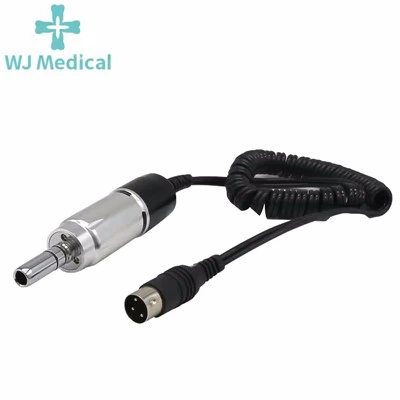
First off, let’s talk about the basic prosthodontic tools you’ll find in a dental unit. There’s the handpiece, which is like the workhorse of the dental world. It comes in different types – high – speed and low – speed. The high – speed handpiece is mainly used for cutting through hard materials like enamel and dentin. When using it, you gotta make sure to hold it firmly but not too tightly. You don’t want your hand to get tired quickly. And always use a proper coolant. The coolant helps to keep the tooth and the handpiece from overheating. You just turn on the coolant switch on the dental unit, and it’ll spray a fine mist of water while you’re cutting.
The low – speed handpiece, on the other hand, is used for more delicate work. It’s great for polishing, adjusting, and removing small amounts of material. You can attach different burs to it depending on what you’re doing. For example, if you’re polishing a crown, you’ll use a polishing bur. And when you’re attaching or detaching the burs, make sure to follow the instructions of the handpiece. Usually, there’s a chuck that you can loosen or tighten to hold the bur in place.
Another important tool is the dental explorer. It’s this small, pointy instrument with a curved end. You use it to check for cavities, cracks, and other dental problems. Just gently run it along the surface of the teeth. If there’s a cavity, the explorer might catch in the rough area. But be careful not to press too hard, or you could damage the tooth.
Now, let’s move on to the impression materials and trays. Taking impressions is a crucial step in prosthodontics. There are different types of impression materials, like alginate and silicone. Alginate is a quick – setting material that’s easy to use. You mix it according to the instructions on the package, usually with water. Then you load it into an impression tray. The tray should fit the patient’s mouth properly. You gently place the tray in the patient’s mouth and hold it in place for a few minutes until the material sets.
Silicone impressions are more accurate and are often used for more precise work, like making crowns and bridges. The mixing process is a bit more involved. You have a base and a catalyst, and you need to mix them thoroughly. Once mixed, you load it into the tray and follow the same procedure as with alginate.
When it comes to the articulator, it’s a tool that simulates the movement of the jaws. It helps you to mount the dental models and check how the prostheses will fit in the patient’s mouth. First, you need to attach the dental models to the articulator using mounting plaster. Then you can adjust the articulator to mimic the patient’s jaw movement. This allows you to see if there are any interferences or problems with the fit of the prostheses.
Let’s talk about the soldering equipment. If you’re making dental bridges or other metal prostheses, soldering is an important step. You need a soldering torch and the right solder. First, clean the metal parts that you’re going to solder. Then you apply flux to the surfaces. Flux helps to remove oxides and allows the solder to flow smoothly. Heat the metal parts with the soldering torch until they’re hot enough for the solder to melt. But be careful not to overheat the metal, or it could warp.
Now, let’s go over some safety tips. Always wear personal protective equipment (PPE), like gloves, masks, and goggles. This protects you from any potential infections and debris. Make sure to clean and sterilize all the tools after each use. You can use an autoclave or other sterilization methods. And when you’re handling chemicals, like impression materials and fluxes, follow the safety instructions on the labels.
If you’re new to using these prosthodontic tools, it’s a good idea to practice on dental models first. You can get some inexpensive models from dental supply stores. Practice taking impressions, using the handpieces, and doing soldering. This way, you’ll get more comfortable with the tools before working on real patients.
In addition to using the tools correctly, it’s also important to maintain your dental unit. Regularly check the hoses, connectors, and other parts for any signs of wear or damage. Replace any worn – out parts as soon as possible. And keep the dental unit clean. Wipe down the surfaces regularly to prevent the buildup of dirt and debris.
As a dental unit supplier, I know how important it is to have high – quality tools. That’s why we offer a wide range of prosthodontic tools that are reliable and easy to use. Whether you’re a beginner or an experienced dentist, our products can meet your needs.

If you’re interested in our dental units and prosthodontic tools, don’t hesitate to reach out. We’re always happy to answer your questions and help you find the right products for your practice. We can also provide you with more detailed information about the tools and how to use them. So, if you’re looking to upgrade your dental practice or just starting out, give us a shout. We’re here to support you every step of the way.
Dental Sand Blasting Unit References:
- Dental Instrumentation: A Competency – Based Approach by Harlan W. Greene
- Prosthodontics: Principles and Practice by John R. McGlumphy and Michael J. Breeding
Foshan Wenjian Medical Instrument Co., Ltd.
Foshan Wenjian Medical Instrument Co., Ltd. is one of the most professional dental unit manufacturers and suppliers in China, featured by supplying high quality medical devices. Welcome to wholesale dental unit at competitive price from our factory. For more company information, contact us now.
Address: Workshop A, Sanyi Logistics, Shishan Town, Nanhai District, Foshan City, Guangdong Province, China
E-mail: Sales24@wenjian88.com
WebSite: https://www.chinaywjmed.com/
